Category Uncategorized

HPV vaccine specialist in Delhi NCR | Dr. Shelly Singh

If you are in your 20s or 30s and want to ensure cervical health, consulting an HPV vaccine specialist in Delhi NCR is one of the most crucial choices you can make. The Human Papillomavirus (HPV) is the most frequent infection in women and the predominant risk factor for cervical alterations which, if left untreated, can develop into cervical cancer. HPV vaccination, coupled with routine gynecologic examinations, provides excellent protection.

What is HPV and How Does it Affect Women’s Health?

  • HPV is a highly prevalent virus among women and can develop into cervical cancer if high-risk types persist.

  • In most cases, HPV infections fade away naturally, while some can lead to abnormal cervical cell growth.

  • Prevention, early diagnosis, and awareness require frequent visits to an HPV vaccine expert in Delhi NCR.

The Most Common Cervical Changes Every Woman Must Be Familiar With

Cervical changes often develop silently and may not show distinct signs in the initial stages. The most common include:

  • Abnormal Pap smear reports

  • Precancerous cervical lesions

  • Genital warts caused by certain HPV strains

A skilled gynecologist in Delhi NCR can detect these early through Pap tests, HPV DNA testing, and regular check-ups.

Note on HPV DNA Testing: From the age of 30 onwards, HPV DNA testing becomes an extremely accurate screening method for cervical cancer. It can be performed either as a stand-alone test or in co-testing with Pap smear. This helps in detecting high-risk HPV strains at an early stage, even before cell abnormalities appear, allowing for more effective prevention and timely treatment.

The Role of an HPV Vaccine Specialist in Delhi NCR

An HPV vaccination gynecologist offers complete care and guidance:

  • Individualized Guidance: Evaluates your age, medical history, and risk factors to determine the optimal HPV vaccination schedule.

  • Prevention Against Cervical Cancer: HPV vaccines prevent infection with high-risk HPV types responsible for nearly 70% of cervical cancers. Timely immunization, combined with screening, ensures strong prevention.

  • Holistic Women’s Health: Beyond vaccination, gynecologists recommend screening tests, lifestyle modifications, and immunity-boosting habits for better cervical and reproductive health.

HPV Vaccination Schedule and Benefits

Who Needs to Be Vaccinated?

  • Girls between 9–26 years should be vaccinated.

  • Two doses (0 and 6 months) are recommended before a girl turns 15 years old.

  • Three doses (0, 2, and 6 months) are needed if vaccinated after 15 years.

  • Vaccination can be done up to 45 years of age after consulting a gynecologist.

Why Get Vaccinated in Your 20s and 30s?

  • Protects against high-risk HPV types

  • Prevents cervical cancer and related illnesses

  • Offers protection even if exposed to certain HPV strains

A trusted HPV vaccine specialist in Delhi NCR, such as Dr. Shelly Singh, can guide women in their 20s and 30s regarding vaccination, based on individual health needs.

Cervical Cancer Prevention in Delhi NCR

HPV vaccination is the cornerstone of cervical cancer prevention. Along with vaccines, gynecologists also recommend:

  • Routine Pap smears at or after 21 years

  • HPV DNA testing at or after 30 years (alone or in co-testing with Pap smear)

  • A healthy lifestyle to strengthen immunity

With the guidance of the best gynecologist for HPV vaccination in Delhi NCR, women can proactively protect their cervical health.

Why Choose Dr. Shelly Singh – HPV Vaccine Specialist in Delhi NCR

Dr. Shelly Singh, Director of Obstetrics and Gynecology at Fortis La Femme, GK 2, is a highly acclaimed expert in women’s health. Her accomplishments include:

  • Over 25 years of experience in preventive gynecology

  • Expertise in HPV vaccination and cervical cancer screening

  • A patient-centered, empathetic approach

Clinic Information:
C-30, Neeti Bagh, New Delhi-110049
 Landmark: Opposite Ansal Plaza

Women seeking HPV vaccination and cervical health care in Delhi NCR can rely on her clinic for expert consultations.

FAQs Regarding HPV and Cervical Health

Is the HPV vaccine safe for women in their 30s?
 Yes. It is safe and effective for women up to 45 years of age. Suitability should be confirmed with an HPV vaccine specialist.

Can the HPV vaccine cure an existing HPV infection?
 No. It does not cure present infections but prevents future infection and reduces cancer risk.

Do women still need Pap smears after vaccination?
 Yes. Routine screening is essential to detect cervical changes, even after vaccination.

How many doses of HPV vaccine are required?

  • Two doses before 15 years of age (0 and 6 months)

  • Three doses from the age of 15 and above (0, 2, and 6 months)

A gynecologist will recommend the right schedule based on age and health status.

Conclusion

Women’s cervical health is a vital part of overall well-being. HPV vaccination, combined with regular screening, offers strong protection against HPV-related diseases and cervical cancer.

For women in Delhi NCR seeking trusted guidance, Dr. Shelly Singh provides expert advice, HPV vaccination, and complete cervical care to ensure lifelong health.

How Lifestyle Choices Affect Women’s Fertility and Pregnancy Health

Gynecologist for fertility and pregnancy in Delhi NCR: Lifestyle has a far greater impact on women’s reproductive health than individuals think. Nutrition and exercise, stress, and sleep are all huge choices that regulate your fertility and pregnancy health.

Introduction 

In today’s time, there are more women than ever with delayed conception, hormonal imbalance, and pregnancy complications, which are typically linked to today’s lifestyle choices. If pregnant or pregnancy-conscious, it is worth knowing these factors. Get advice from a Gynecologist for fertility and pregnancy in Delhi NCR like Dr. Shelly Singh to benefit from expert advice for a healthy and safe journey to motherhood.

Lifestyle and Fertility: The Unseen Link

Fertility is a fragile balance between ovulation cycles, hormones, and reproductive function. However, there are some lifestyle aspects that interfere with this balance. For example:

  • Malnutrition due to the absence of essential nutrients influences the quality of eggs and ovulation.
  • Hormonal imbalance due to being underweight or overweight makes pregnancy more difficult.
  • Alcohol and cigarettes lower the fertility of both men and women.
  • Increased consumption of coffee results in delayed conception.

All these factors combined decrease the natural conception chances. This is the reason why an infertile woman must take advice from a reliable Gynecologist for fertility and pregnancy in Delhi NCR such as Dr. Shelly Singh, who has experience in detecting lifestyle-based barriers and providing customized solutions.

The Impact of Lifestyle on Pregnancy Well-being

A healthy pregnancy is not just a matter of medical attention—it also hinges on what you do for yourself on a day-to-day basis. Some of the significant lifestyle elements which affect pregnancy well-being include:

1. Diet and Nutrition

You require a well-balanced diet with a lot of folic acid, iron, calcium, and protein for mother and child. Processed foods, fast foods, and sweets cause gestational diabetes or overweight issues.

2. Exercise

Everyday exercise maintains the weight under control, increases blood circulation, and alleviates stress. Over-working or pure lethargy is detrimental, though.

3. Sleep Quality

Quality sleep regulates hormones and fetal growth. Poor sleep leads to high blood pressure, stress, and gestational diabetes.

4. Stress

Increased stress and anxiety raise the risk of infertility, miscarriage, and premature labor. Stress-reducing interventions like yoga, meditation, and relaxation exercises are strongly encouraged.

5. Substance Use

Drinking, cigarette smoking, and drug use directly impact fetal development and can lead to low birth weight, premature labor, or impairment of growth.

Why See a Specialist?

Each woman’s body is different, and so are her concerns about pregnancy and fertility, Gynecologist for fertility and pregnancy in Delhi NCR. Some general lifestyle advice might work somehow, but expert advice makes you take the right decision at the right time.

An expert Gynecologist for fertility and pregnancy in Delhi NCR such as Dr. Shelly Singh, not only provides medical expertise but also offers practical lifestyle tips according to your personal health status.

With more than two decades of experience in obstetrics and gynecology, Dr. Shelly Singh teaches women how to prepare their bodies for pregnancy, how to take care of existing health conditions, and how to reduce risks by effectively managing their lifestyles.

Practical Lifestyle Tips for Enhancing Pregnancy and Fertility

  • Healthy weight – Opt for a BMI that is within normal range in order to support hormonal balance.
  • Eat a balanced diet – Include leafy greens, fresh fruits, whole grains, and protein in your daily diet.
  • Exercise lightlyYoga, walking, and light stretching are appropriate exercises before preconception and pregnancy.
  • Check-ups regularly – Early detection leads to timely treatment.
  • Avoid caffeine – Restrict tea, coffee, and energy beverages.
  • Mental health care – Practice relaxation and counseling when needed.

When to See a Gynecologist

If you have been attempting to conceive for a year and still not succeeded, or if you have irregular periods, painful menstruation, or pre-existing medical conditions such as PCOS, thyroid issues, or diabetes, then you need to see a Gynecologist for fertility and pregnancy in Delhi NCR.

Likewise, while pregnant, if you notice abnormal symptoms such as spotting, recurring nausea, or high blood pressure, professional guidance is imminent.

Conclusion

Lifestyle choices are very much connected to a woman’s pregnancy and reproductive health, Gynecologist for fertility and pregnancy in Delhi NCR. Even minor daily routines, harmless in isolation, collectively influence pregnancy health and fertility. Through informed choice and professional advice, you significantly enhance your prospects for healthy conception and trouble-free pregnancy.If you are pregnant or are on your way to becoming a future mother, see Dr. Shelly Singh, who is an experienced Gynecologist for fertility and pregnancy in Delhi NCR, and get the right kind of medical attention and lifestyle advice. Take the correct steps now, and you can make your tomorrow a healthier one for both you and your child.

Infertility Myths Busted – What Every Couple Should Know Before Trying for a Baby

Infertility can be a distressing and emotional process for couples. Far too frequently, though, it is also shrouded in numerous myths and misconceptions that will deter couples from obtaining early diagnosis and treatment. As infertility specialist in Delhi NCR, I have seen how the following myths place unnecessary pressure and ambiguity. In this blog, we will bust some of the most common myths of infertility and share knowledge that each couple should know prior to conception.

Myth 1: Infertility is Always a Woman’s Problem

One of the biggest myths is that infertility is a female issue. In reality, both men and women can equally be the cause of infertility. Studies report that in nearly 40% of cases, male factors such as low sperm count, abnormal sperm motility, or hormonal imbalance are responsible. Consultation with the best infertility specialist in Delhi NCR ensures that both the couples will receive proper testing for accurate diagnosis and treatment.

Myth 2: If You Try Long Enough, Pregnancy Will Happen Naturally

Although waiting is unavoidable, infertility is a health problem that may require immediate attention. Delaying in taking medical advice at times makes the situation worse, especially if age is involved. Women aged 35 years and above and men aged 40 years and above may suffer from low fertility due to biological causes. Getting early advice from an infertility doctor in Delhi NCR can improve your chances of conception.

Myth 3: IVF Is the Sole Solution for Infertility

Most couples believe that IVF is the only solution for treating infertility. The fact is there are a number of solutions depending on the cause. Fertility treatment in Delhi NCR can vary from medication to intrauterine insemination (IUI) to changes in lifestyle to surgery. Your experienced IVF specialist in Delhi NCR will recommend the best for your case, and IVF is done only if other treatments do not suit or do not work.

Myth 4: Stress Alone Causes Infertility

While stress does influence hormone release and menstrual cycles, in the majority of situations, it is not alone responsible for infertility. Stress relief through counseling, yoga, or meditation, on the other hand, will ensure overall health and can possibly improve fertility outcomes. Consulting with a reliable infertility specialist in Delhi NCR ensures both the mental and medical aspects are addressed for a successful treatment regimen.

Myth 5: You Have to Wait to Visit a Doctor After Trying for a Year

This is a rule for couples under the age of 35. However, if you are more than 35, you suffer from irregular periods, have known reproductive health issues, or a history of miscarriage, you must consult an infertility specialist in Delhi NCR earlier. Early evaluation will be capable of identifying the problems and starting fertility treatment in Delhi NCR without delay.

Myth 6: Lifestyle Choices Do Not Affect Fertility

Your daily lifestyle directly impacts reproductive health. Smoking, alcohol abuse, poor dietary habits, lack of exercise, and sleep disorders can reduce fertility levels in both men and women. Maintaining healthy weight, eating a balanced diet, and staying physically active can improve conception chances, especially when combined with expert guidance from the best infertility specialist in Delhi NCR.

Myth 7: Infertility Means You Can Never Have a Baby

You don’t have to be told you can never have a baby if you are infertile. Thanks to advanced reproductive medicine, there are various means of becoming parents, including IVF, IUI, surrogacy, and donor programs. The right IVF specialist in Delhi NCR can assist you with the most optimal means for your situation, giving you hope and realistic expectations.

When to See an Infertility Specialist in Delhi NCR

You should consult a doctor if:

  • You have tried for pregnancy for more than 12 months (6 months if over 35 years)
  • You experience infrequent or absent menstrual cycles
  • You experience recurrent pelvic infections, endometriosis, or reproductive surgery
  • You or your partner have known hormonal or sperm issues

Get a proper infertility specialist in Delhi NCR consulted at an early stage. Early consultation with a proper infertility specialist in Delhi NCR will save your time, reduce emotional stress, and enhance your chances of success.

Conclusion – Take the Right Step Towards Parenthood

Dissolving myths of infertility is the key to being able to make informed decisions. Infertility is a clinical diagnosis, not a death sentence, and with the right treatment, many couples can achieve their dream of having children. Through lifestyle modification, medication, or cutting-edge reproductive treatments, early intervention is crucial.

If you’re facing challenges in conceiving, don’t wait any longer. Book your consultation with
Dr. Shelly Singh, the best infertility specialist in Delhi NCR, and take the first confident step toward starting your family.


Ready to turn your dream of parenthood into reality? Schedule an appointment today with Dr. Shelly Singh – trusted infertility specialist in Delhi NCR – and start your journey with expert care.

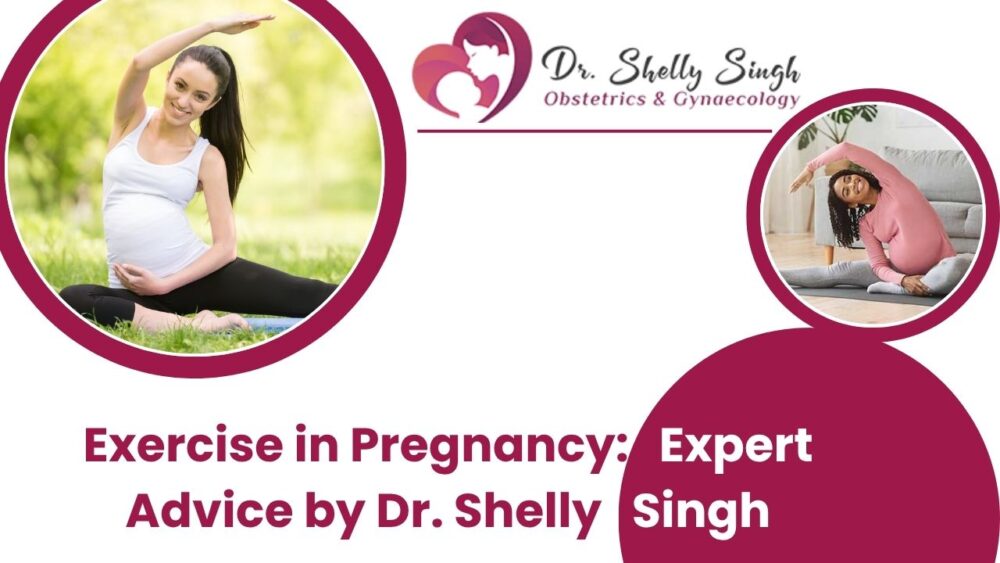
Exercise in Pregnancy – Expert Guidelines by Dr. Shelly Singh

Is it okay to exercise in pregnancy?

This is perhaps one of the most frequently asked questions by women in their antenatal checks or even pre-pregnancy counselling for Exercise in Pregnancy . Dr. Shelly Singh, MBBS, MD – Obstetrics & Gynaecology, an expert Gynecologist, Obstetrician, and Infertility Specialist, says the reply is a heartening yes—but with some important precautions. The mother and developing baby’s safety and well-being always take precedence.

Why Is Exercise in Pregnancy Important?

Participating in regular exercise during pregnancy yields a vast array of physical and emotional benefits:

  • Makes joints and muscles stronger
  • Increases the flow of blood
  • Relieves fatigue and backaches
  • Releases endorphins or ‘feel-good’ hormones
  • Improves posture and prevents back pain
  • Encourages sounder sleep
  • Helps manage weight
  • Readies the body for normal delivery
  • Assists in controlling gestational diabetes

In reality,  Exercise in Pregnancy can ease the way and help ensure safer delivery.

Safe Exercise Guidelines During Pregnancy

Dr. Shelly Singh recommends the following general guidelines for a safe  Exercise in Pregnancy
routine:

  • If previously active, you may continue, but do not push to the extreme.
  • If exercising for the first time, start only after a proper consultation. Start at 15 minutes, three times a week, and then go up to 30-45 minutes.
  • Always train with a certified prenatal fitness instructor.
  • Wear loose-fitting, breathable clothing and a good sports bra.
  • Choose shoes that provide good support and are suited to your activity type.
  • Eat a light snack like fruits or nuts about an hour before your session.
  • Avoid exercising in hot, humid weather.
  • Stay hydrated throughout—before, during, and after exercising.

Who Should Avoid Exercise in Pregnancy?

Not all pregnancies are the same. Dr. Shelly Singh warns that exercise in pregnancy must be avoided in the following cases:

  • Vaginal bleeding or spotting
  • Threatened or recurrent miscarriage
  • Placenta previa (low-lying placenta)
  • History of premature labor
  • Asthma or heart conditions
  • Severe high blood pressure or preeclampsia
  • Cervical insufficiency

Always check with your obstetrician before beginning or continuing physical activity.

Recommended Exercises in Pregnancy

Safe and doctor-recommended forms of exercise during pregnancy are:

  • Swimming: Relieves back pain and supports body weight.
  • Prenatal Yoga: Improves flexibility and encourages relaxation.
  • Brisk Walking: Simple and effective cardio for beginners.
  • Indoor Cycling: Low-impact workout for lower body.
  • Low-Intensity Fitness Gym Workouts: The step or elliptical machine will do.
  • Mild Jogging: Under supervision and only if you jogged prior to pregnancy.

Pregnancy Exercises to Avoid

There are specific movements and sports that may have risks involved and must be avoided in pregnancy fitness exercises:

  • Those that involve sudden balance changes
  • Holding your breath during strain
  • Lying flat on your back for long periods of time
  • Contact sports (football, volleyball, etc.)
  • Abdominal trauma exercises
  • Heavy bouncing, jumping, or skipping

How to Organize Your Pregnancy Exercise Routine

A well-planned Exercise in Pregnancy schedule must have a specific pattern:

  • Warm-Up: 5 minutes muscle loosening
  • Stretching: 5 minutes flexibility
  • Cardiovascular Exercise: 15–20 minutes of moderate intensity
  • Main Workout: Concentrate on your favorite safe exercise
  • Cool Down: 5 minutes heart rate reduction

Maintain your workout in the aerobic zone—that is, you can comfortably converse while exercising, although singing could be challenging.

When to Immediately Stop Exercising

Immediately discontinue your pregnancy exercise and seek advice from your doctor if you have:

  • Chest pain or shortness of breath
  • Dizziness or nausea
  • Headache or blurred vision
  • Pelvic or abdominal discomfort
  • Vaginal bleeding or leakage of fluid
  • Sudden swelling or calf pain

These may be indicators of complications and need urgent attention from a medical professional.

Expert Closing Thoughts by Dr. Shelly Singh

A well-planned and monitored pregnancy exercise routine not only increases your physical strength but also enhances your mental health. As per Dr. Shelly Singh, exercising during pregnancy greatly enhances the possibility of an easy, normal delivery unless there are medical grounds for a C-section.

Nowadays, a lot of hospitals provide prenatal fitness and wellness programs especially for pregnant women. They consist of yoga, breathing exercises, posture reform, and many others to make a healthy pregnancy experience  Exercise in Pregnancy.

Exercise regularly. Stay optimistic. Enjoy your pregnancy with health and happiness!

UTI Treatment During Pregnancy in New Delhi – Consult Dr. Shelly Singh in Neeti Bagh, South Delhi

UTI treatment during pregnancy in New Delhi, Urinary Tract Infections (UTIs) are a common but serious pregnancy condition. UTIs, if not treated, can lead to complications such as kidney infection, preterm labor, and low birth weight. Hence, early and professional treatment for UTI during pregnancy is essential. For pregnant women in Neeti Bagh, South Delhi, or nearby, Dr. Shelly Singh, MBBS, MD – Obstetrics & Gynaecology, an experienced Gynecologist, Obstetrician, and Infertility Specialist, offers complete and safe UTI care in pregnancy.

If you are pregnant and feel burning when you urinate, have more frequent urination, belly pain that is down below, or infected smelling urine, don’t hesitate. Book an appointment with Dr. Shelly Singh in South Delhi and get your UTI treatment during pregnancy in New Delhi done to ensure your own health and that of your baby’s.

Why UTI Treatment During Pregnancy in New Delhi is a Must and Not an Option

The immune system is suppressed and the urinary tract is altered in pregnancy, therefore predisposed to UTIs during pregnancy. If not treated, the infection spreads very fast, and both mother and child get complications. Effective UTI treatment during pregnancy in New Delhi guarantees that the infection is under management with pregnancy-safe medication and follow-up.

Dr. Shelly Singh offers personalized UTI treatment during pregnancy in South Delhi that cures infection without harming the fetus growing inside the womb. Her clinic at Neeti Bagh is strategically located close to prominent South Delhi destinations like Greater Kailash, Hauz Khas, and Green Park.

Dr. Shelly Singh – Your Go-to UTI Treatment Doctor While Pregnant in South Delhi

With years of experience in the obstetrics and gynecology stream, Dr. Shelly Singh (MBBS, MD – Obstetrics & Gynaecology) is now the most reliable name for UTI treatment during pregnancy in New Delhi. Her clinic at Neeti Bagh, South Delhi, is frequented by hundreds of pregnant women searching for expert advice and effective treatment.

Her practice emphasizes:

  • Evidence-based, safe medication
  • Regular follow-up during pregnancy
  • Personalized treatment protocols
  • Long-term health and prevention emphasis

Patients consistently rate Dr. Shelly Singh among the most trusted professionals to treat UTIs in pregnancy in New Delhi.

Symptoms That Make You Require UTI Treatment In Pregnancy in New Delhi

Should you be pregnant and require any of the below, make an immediate visit to see a doctor:

  • Burning when passing urine
  • Frequent and rapid urination, even if the bladder is not full
  • Cloudy or smelling urine
  • Low-grade fever or feeling cold
  • Cramp or lower back pain

These symptoms must never be ignored, especially during pregnancy. Book appointment with Dr. Shelly Singh for quick diagnosis and proper UTI treatment during pregnancy in New Delhi.

Why Should Women Consult Dr. Shelly Singh for UTI Treatment During Pregnancy in Neeti Bagh, South Delhi?

There are a number of reasons why women from all areas of New Delhi, but especially from South Delhi and Neeti Bagh, turn to Dr. Shelly Singh for pregnancy urinary tract infection treatment:

  • Convenient location in the heart of South Delhi, with easy access
  • Decades of expert care in managing infections during pregnancy
  • Cost estimate transparency and budget-friendly packages for treatment
  • Online and offline consultations
  • Credibility for empathetic, safe, and accurate treatment

Dr. Shelly Singh’s clinic is among the best destinations for UTI treatment during pregnancy in South Delhi, particularly with patients in search of quality and trust together.

UTI Treatment During Pregnancy in South Delhi – Designed for Comfort and Safety

Each case of patient is unique. That’s why Dr. Shelly Singh provides individual UTI treatment during pregnancy in New Delhi with the safest antibiotics, lifestyle guidance, and follow-ups. She understands the physical and emotional suffering of pregnancy, and her care process is medicinally precise and empathetic.

From infection to recurrent UTIs in pregnancy, she provides long-term cure with a preventive solution, not relief that lasts only for a short while.

Book Now for UTI Treatment During Pregnancy in New Delhi

Don’t let your pregnancy be compromised due to a UTI. If you are in New Delhi, specifically Neeti Bagh or South Delhi, then you can contact one of the city’s top experts.

Consult Now with Dr. Shelly Singh for:

  • Rapid diagnosis
  • Safe prescribed medicines
  • Continued treatment
  • Cost-effective best estimate

Book Appointment today and experience the expert care that thousands of pregnant women in New Delhi have trusted.

Conclusion

Pregnancy UTIs cannot be taken lightly. With early treatment, you can prevent complications and have a trouble-free pregnancy. For Neeti Bagh, South Delhi, or local residents, Dr. Shelly Singh provides personalized, evidence-based, and compassionate UTI treatment during pregnancy in New Delhi. Her personalized solution, tested and proven experience, and trust quotient are the reasons why Dr. Shelly Singh is the preferred choice among pregnant women of the capital.

Take a step towards your happiness and your baby’s safety. Book appointment, consult now, and receive the most reasonable cost estimate for treatment of UTI as per your need.

How Do I Know If I Have Preeclampsia? Common Questions from Expecting Mothers

By Dr. Shelly Singh, MBBS, MD – Obstetrics & Gynaecology
Gynecologist, Obstetrician, Infertility Specialist.Pregnancy is an exciting journey, but it also comes with its share of physical and emotional challenges. One such challenge that can potentially affect a mother’s and baby’s health is preeclampsia. Many expecting mothers wonder: How do I know if I have preeclampsia? This blog addresses that concern in detail and highlights the common preeclampsia symptoms during pregnancy that every woman should be aware of.

As a practicing gynecologist and obstetrician, I, Dr. Shelly Singh, have guided countless women through safe pregnancies. Understanding the signs of preeclampsia early can help you take timely action and ensure the well-being of both you and your baby.

What Is Preeclampsia?

Preeclampsia is a pregnancy complication characterized by high blood pressure and signs of damage to other organ systems, most often the liver and kidneys. It usually begins after 20 weeks of pregnancy in women whose blood pressure had previously been normal.

Recognizing preeclampsia symptoms during pregnancy is essential because, if left untreated, it can lead to serious—even fatal—complications for both mother and baby.

Who Is at Risk for Preeclampsia?

Preeclampsia can develop in any pregnant woman, but you may be at a higher risk if you:

  • Are pregnant for the first time
  • Are carrying more than one baby (twins, triplets)
  • Have a history of high blood pressure, kidney disease, or diabetes
  • Have a family history of preeclampsia
  • Are over the age of 35
  • Are overweight or obese
  • Have autoimmune disorders like lupus

If you fall into any of these categories, it’s important to remain extra vigilant about monitoring preeclampsia symptoms during pregnancy.

Common Symptoms of Preeclampsia

Sometimes, preeclampsia develops without any noticeable symptoms, which is why routine prenatal checkups are crucial. However, several warning signs may indicate the condition. These include:

1. High Blood Pressure

Consistently high blood pressure (140/90 mm Hg or higher) is the most common and early preeclampsia symptom during pregnancy. It may be detected during regular antenatal visits.

2. Protein in Urine

Another hallmark of preeclampsia is the presence of protein in your urine, indicating kidney stress or damage. This is usually detected through routine urine tests during prenatal check-ups.

3. Swelling (Edema)

Swelling in the hands, feet, face, or around the eyes may be common in pregnancy, but if it appears suddenly or becomes severe, it may signal preeclampsia.

4. Persistent Headaches

Severe or persistent headaches that do not improve with usual treatment could be a red flag. Headaches linked to high blood pressure are one of the critical preeclampsia symptoms during pregnancy.

5. Visual Disturbances

Changes in vision such as blurring, flashing lights, or temporary loss of vision should never be ignored. These symptoms are due to the effect of high blood pressure on the nervous system.

6. Upper Abdominal Pain

Pain under the ribs, particularly on the right side, may suggest liver involvement—a more serious sign of preeclampsia.

7. Sudden Weight Gain

A rapid increase in weight (more than 2 kg in a week) could be due to fluid retention, often associated with worsening preeclampsia.

8. Decreased Urination

Reduced urine output or dark-colored urine may indicate compromised kidney function and should be reported immediately.

How Is Preeclampsia Diagnosed?

If you show any preeclampsia symptoms during pregnancy, your doctor will likely run several tests to confirm the diagnosis. These may include:

  • Blood pressure monitoring
  • Urinalysis for protein
  • Blood tests for liver and kidney function
  • Ultrasound to monitor baby’s growth
  • Fetal heart rate monitoring

Prompt diagnosis and monitoring are crucial for preventing serious complications like eclampsia, placental abruption, or premature delivery.

Is There a Cure for Preeclampsia?

There is no permanent cure for preeclampsia other than delivering the baby. However, management depends on how far along you are in your pregnancy and the severity of the symptoms.

Management options include:

  • Blood pressure medications
  • Frequent monitoring
  • Bed rest in some cases
  • Hospital admission in severe cases
  • Induction of labor if the baby is viable and the risk is high

How Can I Prevent Preeclampsia?

While preeclampsia can’t always be prevented, especially if you’re at higher risk, certain precautions can help reduce the chances or delay onset:

  • Regular prenatal visits
  • Monitoring blood pressure at home
  • Maintaining a healthy weight
  • Following a balanced, low-sodium diet
  • Staying physically active
  • Taking prenatal supplements as advised by your doctor

Understanding and responding quickly to preeclampsia symptoms during pregnancy is a critical step in prevention and safety.

Conclusion

Preeclampsia is a serious condition, but when diagnosed and managed on time, most women go on to have healthy pregnancies and babies. Whether it’s your first pregnancy or a subsequent one, being aware of preeclampsia symptoms during pregnancy and maintaining regular prenatal checkups is essential for your safety.

If you’re experiencing symptoms or have concerns about your pregnancy health, don’t hesitate to seek medical care. As a specialist in women’s health, I, Dr. Shelly Singh, provide compassionate, personalized support for expecting mothers at every stage of pregnancy.

To schedule a consultation or learn more, feel free to contact Dr. Shelly Singh today.

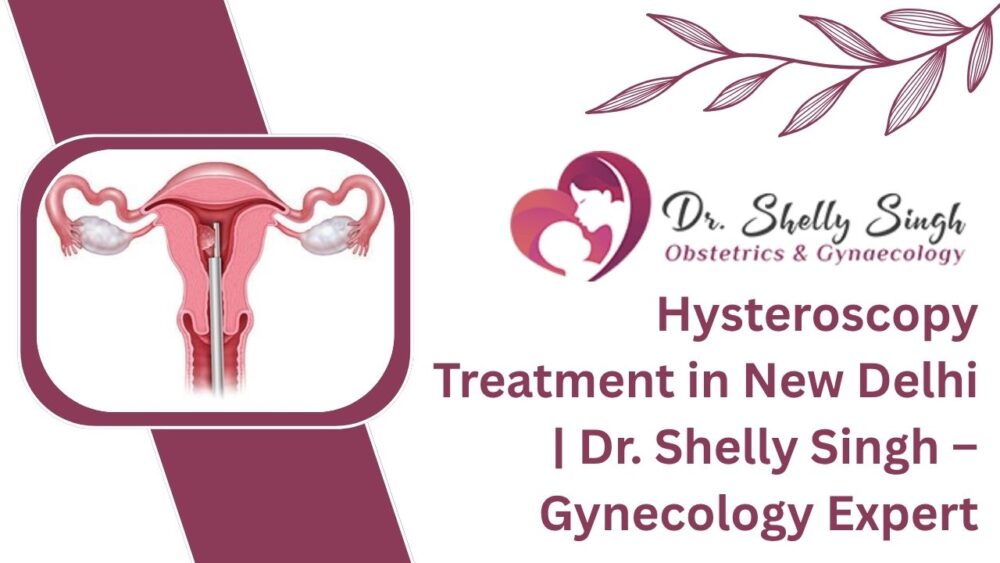
Hysteroscopy Procedure Explained: Benefits, Preparation & Recovery

By Dr. Shelly Singh, MBBS, MD – Obstetrics & Gynaecology
Gynecologist, Obstetrician, Infertility Specialist
Director – Obstetrics & Gynaecology, Fortis La Femme, Greater Kailash II, New Delhi

If you’re experiencing unexplained uterine bleeding, infertility, or recurrent miscarriages, a specialized procedure called hysteroscopy treatment in New Delhi may be the key to diagnosis and healing.
Dr. Shelly Singh, a renowned gynecologist and infertility expert, provides state-of-the-art hysteroscopy diagnosis and therapy at Fortis La Femme, Greater Kailash II, New Delhi. This blog discusses the procedure, advantages, preparation, and post-procedure expectations.

What is Hysteroscopy?

Hysteroscopy is a lesser-invasive examination for viewing and treating conditions within the uterus. A thin, lighted telescope named a hysteroscope is put into the cervix and vagina to look at the uterus. It assists both in treatment and diagnosis.

Two kinds of hysteroscopy are:
Diagnostic hysteroscopy – To assess abnormal symptoms such as a heavy period or not being able to get pregnant.
Therapeutic hysteroscopy – Utilized to treat conditions like fibroids, polyps, or adhesions in the uterus.

At Fortis La Femme, Greater Kailash II, New Delhi, both diagnostic and therapeutic hysteroscopy treatment in New Delhi is provided in a safe, effective, and patient-friendly environment.

When is Hysteroscopy Recommended?

Your gynecologist may suggest hysteroscopy treatment in New Delhi if you have:

  • Abnormal or heavy menstrual bleeding
  • Uterine fibroids or polyps
  • Uterine adhesions (scar tissue)
  • Infertility or repeated pregnancy loss
  • Uterine abnormalities (such as septum)
  • Retained products of miscarriage or childbirth
  • A lost or misplaced IUD (Copper T or Mirena)

This is a one-time fix that involves diagnosis and treatment simultaneously and is very cost-effective for patients.

Is Hysteroscopy Painful?

Most patients have pain concerns, but hysteroscopy is usually very well-tolerated. It can be performed as:

  • A daycare surgery in an operating theater for high-suspicion cases

Anesthesia or sedation is given according to your comfort and case. Cramping or spotting may occur after the procedure, which is treated with medication that has been prescribed. You can return to normal activities within a day or two in the majority of cases.

What to Expect Before Hysteroscopy

Before hysteroscopy treatment in New Delhi, your physician will:

  • Gather your medical history
  • Conduct a pelvic examination
  • Prefer blood and urine tests
  • Advise against taking blood thinners if you are on any
  • Plan the procedure around your menstrual cycle

Options of sedation or anesthesia will be explained to keep you calm during the process.

Risks and Complications

Hysteroscopy is safe with a complication rate of less than 1%. Nevertheless, as with any medical intervention, it has some risks:

  • Light bleeding
  • Uterine or cervical damage (extremely rare)
  • Infection
  • Allergic reaction to distension media
  • Reaction to anesthesia
  • Adhesions in case of extensive surgery

Selecting an experienced gynecologist such as Dr. Shelly Singh reduces these risks and makes it a safe procedure.

Post-Procedure Recovery Tips

Following your hysteroscopy treatment, observe these precautions:

  • Avoid sex, tampons, or vaginal douching for approximately 2 weeks
  • Do not visit hot tubs or swim during this time
  • Mild cramping will be fine and can be controlled with medications
  • Carefully follow all post-procedure guidelines
  • Report to your follow-up appointment as instructed

Laparoscopy can sometimes be performed together with hysteroscopy if the patient requires additional treatment. Discuss all of the options with your physician in detail beforehand.

Why Choose Dr. Shelly Singh for Hysteroscopy in New Delhi?

Dr. Shelly Singh provides reliable and personalized treatment to women suffering from reproductive health issues. Having years of experience performing hysteroscopies for diagnostic and therapeutic reasons, she provides:

  • Sophisticated treatment methods
  • Rapid recovery
  • Correct diagnosis and successful results
  • A comfortable and caring patient experience

No matter what reason you are coming in for – infertility, heavy bleeding, or a uterine issue – hysteroscopy treatment in New Delhi by Dr. Shelly Singh at Fortis La Femme, Greater Kailash II, New Delhi is a safe and trusty choice.

Conclusion

Hysteroscopy is an effective and non-surgical means of both diagnosing and curing many different uterine issues in a single visit. From heavy periods to fertility issues, this procedure has changed the lives of many women.

If you are experiencing gynecological problems, don’t wait. Schedule an appointment with Dr. Shelly Singh and know the best hysteroscopy treatment in New Delhi suitable for your health requirements.

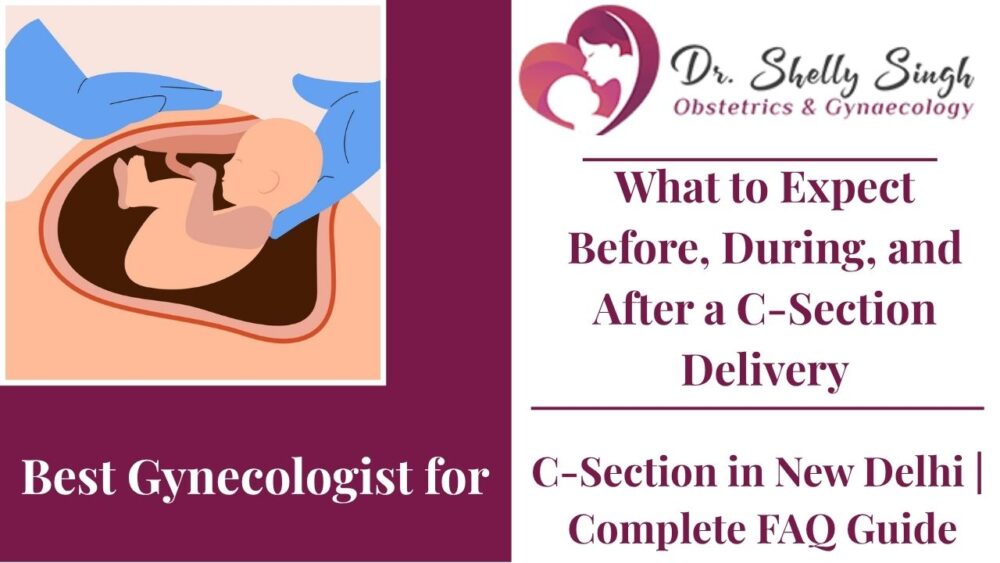
What to Expect Before, During, and After a C-Section Delivery

Selecting a Cesarean section (C-section) can feel overwhelming for many expectant mothers. To help you prepare confidently, this comprehensive guide—under the expert supervision of Dr. Shelly Singh, MBBS, MD – Obstetrics & Gynaecology, Gynecologist, Obstetrician, Infertility Specialist and best gynaecologist C-section in New Delhi—answers all your important questions regarding cesarean delivery.

What is a C-Section and When is it Recommended?

A C-section is the surgical delivery of a baby through incisions in the abdominal wall and the uterus. Dr. Shelly Singh, renowned C-section expert in New Delhi, may recommend this method under the following conditions:

  • Multiple pregnancies
  • Placenta previa
  • Breech or abnormal fetal lie
  • Retarded or prolonged labor
  • Fetal distress
  • Maternal health complications such as diabetes or hypertension
  • Previous C-section deliveries

The best C-section expert in New Delhi will evaluate your specific situation to design a safe and personalized delivery plan.

What Should I Do to Prepare for a C-Section?

Preparation ensures a smooth and safe experience. Dr. Shelly Singh, C-section in New Delhi, will guide you through:

  • Medical tests and necessary examinations
  • Dietary and medication adjustments before surgery
  • Preoperative preparation and hygiene
  • Emotional counseling to minimize worry and anxiety

With individualized attention from the New Delhi High-risk pregnancy and C-section specialist, you can approach your delivery day with confidence.

What is the C-Section Procedure?

On the day of the surgery, a professional team—adept at performing cesarean deliveries—will assist you. The procedure generally involves:

  • Epidural or spinal administration of anesthesia
  • Transverse cut of the lower abdomen
  • Incising the loose fold between the uterus and bladder
  • Pushing the bladder down
  • Incising the uterus
  • Delivering the baby
  • Closure of the uterus and abdominal wall with layered stitching

The best cesarean delivery doctor in New Delhi ensures that every step is executed with precision to protect both mother and child.

What Can I Expect Soon After the Procedure?

Post-operative care is critical for recovery. Under the expert care of Dr. Shelly Singh, the C-section in New Delhi, you can expect:

  • Pain management
  • Prevention and monitoring for signs of infection
  • Intravenous fluids followed by oral liquids
  • Gradual transition to soft diet and normal diet over 1–2 days
  • Ambulation beginning on the second day
  • Medication to prevent blood clot formation
  • Assistance with breastfeeding and newborn care

Over the next few weeks:

  • Encouragement to start light exercise
  • Emotional support to manage postpartum blues or depression

The cesarean delivery physician in New Delhi provides full care tailored to your post-surgical recovery.

What Are the Possible Risks of C-Section Delivery?

As with any surgical procedure, C-sections carry certain risks. However, these can be reduced with good surgical technique and precautions. According to Dr. Shelly Singh, New Delhi’s most prominent gynecologist for C-section, potential risks include:

  • Infection at the site of the incision
  • Increased bleeding
  • Blood clots
  • Adverse reaction to anesthesia
  • Longer recovery compared to vaginal birth

Thanks to the meticulous care of the high-risk pregnancy and C-section specialist in New Delhi, these risks are effectively managed to ensure safe outcomes.

How Long Does It Take to Recover from a C-Section?

Most women remain in the hospital for a few days post-surgery. Complete recovery takes about 6 to 8 weeks. Dr. Shelly Singh, the C-section in New Delhi, provides continuous support, including:

  • Wound care and personal hygiene
  • Safe pain relief options
  • Gradual return to daily activities
  • Emotional care during the postpartum period

With proper follow-up, you’ll regain strength and routine confidently.

How Do I Prepare Emotionally for a C-Section?

For first-time mothers, a C-section may be emotionally overwhelming. Dr. Shelly Singh emphasizes empathetic guidance to help you through:

  • Managing fear or anxiety about surgery
  • Bonding with your newborn
  • Navigating postpartum emotional changes

Comprehensive emotional and clinical care ensures you feel supported before, during, and after delivery.

Conclusion

Trusting Dr. Shelly Singh means receiving more than expert surgical care—you benefit from compassionate support, personalized planning, and ongoing attention throughout your motherhood journey.

Book your consultation with Dr. Shelly Singh, the best gynaecologist C-section in New Delhi, today for safe, expert-led pregnancy and childbirth care.

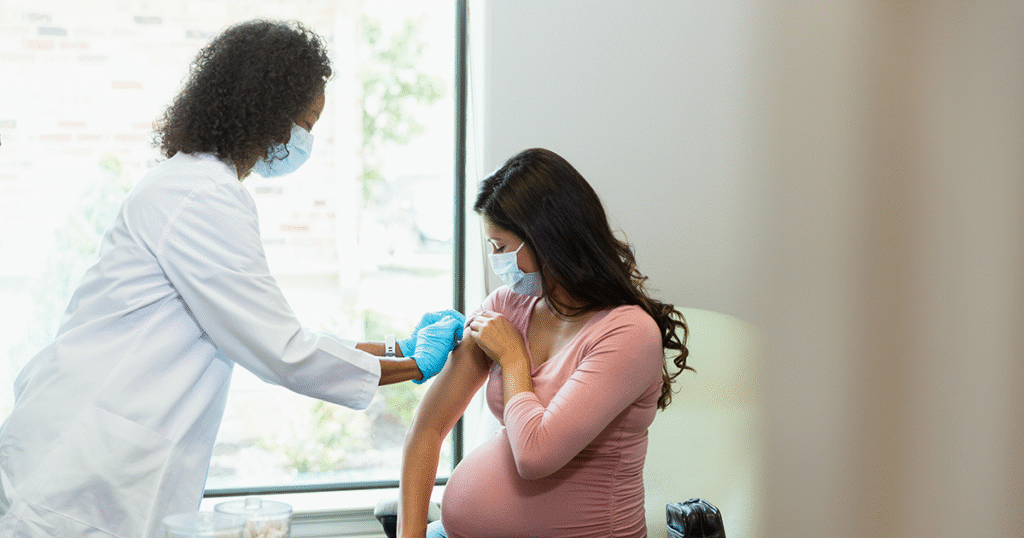
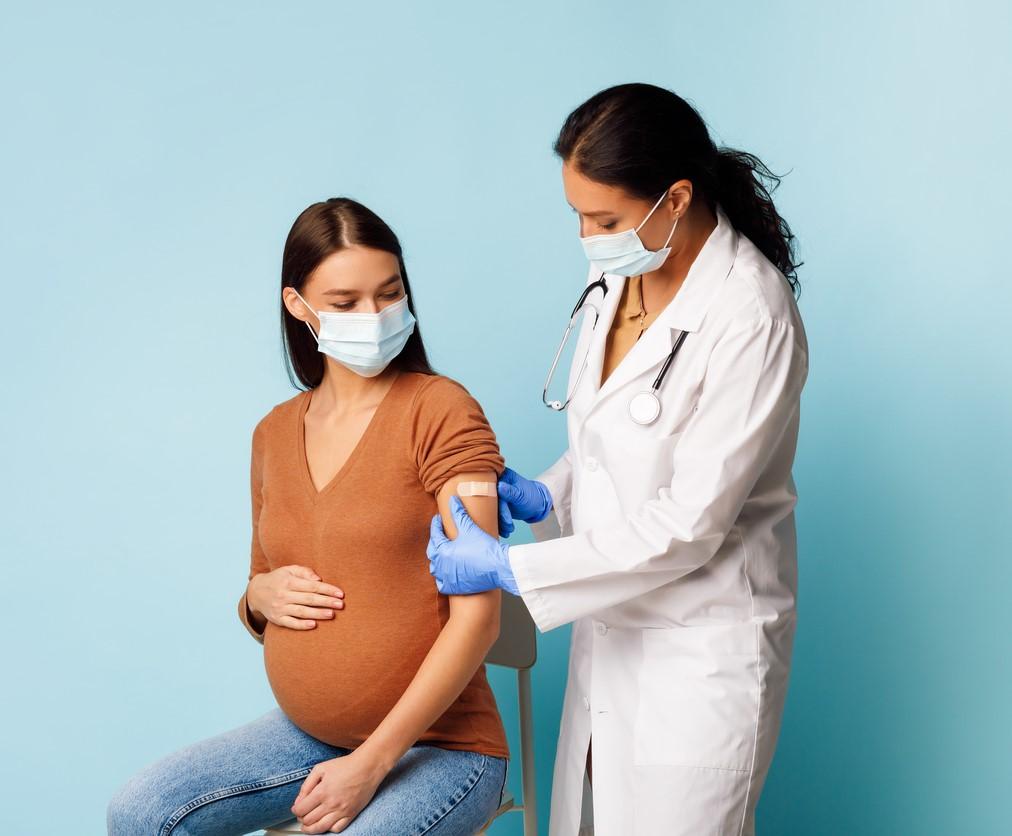
COVID in Pregnancy: Everything You Should Know Regarding the New COVID Strain 2025

By Dr. Shelly Singh, MBBS, MD – Obstetrics & Gynaecology
 Gynecologist, Obstetrician, Infertility Specialist

The new COVID variant 2025 has caused renewed concern, particularly for pregnant women. As the virus keeps changing, it is essential to be informed and careful but not anxious. According to Dr. Shelly Singh, a women’s health specialist, knowing the impact of COVID in pregnancy can guide you to take the appropriate precautions and have a secure pregnancy experience.

What Is This New Variant of COVID (COVID in pregnancy)?

The emerging COVID variant 2025 is a relative of the Omicron lineage. It has received surface spike mutations that render it more infectious. Fortunately, it does not enhance the severity of the disease in the majority of individuals.

According to some studies, this variant can escape both natural and vaccine-induced immunity, whereas others show otherwise.

Prominent variants under this family include:

  • NB 1.8.1
  • LF 7
  • JN.1
  • XFG

NB 1.8.1, initially spotted in January 2025, currently contributes to close to 10% of cases in 22 nations. The World Health Organization has classified it as a variant of concern — not alarm.

COVID in pregnancy Symptoms

The COVID symptoms in pregnant women caused by this variant are typically mild yet apparent. Typical symptoms are:

  • Mild fever
  • Headache and body ache
  • Weakness and fatigue
  • Brain fog
  • Dry, irritating cough
  • Hoarseness of the voice
  • Runny nose
  • Gastrointestinal symptoms like diarrhoea and loss of appetite
  • Muscle pain

Dr. Shelly Singh says that the symptoms are not worse during pregnancy unless there are underlying health conditions.

High-Risk Pregnancy and COVID: What Are the Risk Factors?

Certain pregnancies are classified as high-risk because of pre-existing medical conditions, which can be complicated if COVID is developed. The risk factors for high-risk pregnancy and COVID are:

  • High blood pressure and preeclampsia
  • Diabetes
  • Heart or lung disease
  • HIV or other immunocompromised conditions
  • Kidney disease
  • Not being vaccinated

Women who belong to these groups must be even more careful as they are likely to develop complications due to the virus.

How Is This Variant Diagnosed?

Dr. Shelly Singh suggests beginning with a Rapid Antigen Test (RAT) at home for screening. Nevertheless, precise affirmation still depends on the RT-PCR, which is the gold standard for diagnostic evaluation.

Treatment of COVID During Pregnancy

If you test positive, supportive care is generally adequate unless the symptoms aggravate. The management and treatment of COVID during pregnancy typically includes:

  • Sufficient rest
  • Hydration
  • Paracetamol for fever relief
  • Steam inhalation
  • Temperature and oxygen saturation monitoring on a regular basis
  • Isolation and mask use to protect family members

When Pregnant Women Should Visit the Doctor

Dr. Shelly Singh recommends immediate medical care if you experience:

  • Fever greater than 102°F persisting for more than three days
  • Shortness of breath or chest pain
  • Increased drowsiness, dizziness, or confusion
  • Worsening of symptoms
  • Belong to the high-risk category

What to Do After Recovery

After the fever and active symptoms settle, it’s advisable to visit your obstetrician. Dr. Shelly Singh would usually conduct a proper examination and suggest:

  • An ultrasound to check the well-being of the fetus
  • A check on the amniotic fluid levels
  • Doppler studies to check blood flow to the baby

These tests confirm that everything is normal in the pregnancy after the infection.

Preventive Measures to Stay Safe

To prevent COVID in pregnancy, Dr. Shelly Singh strongly recommends:

  • Avoiding crowded or poorly ventilated places
  • Wearing a good-quality mask
  • Practicing regular hand sanitisation
  • Avoiding contact with individuals showing signs of fever or respiratory illness
  • Eating healthy and focusing on immunity-boosting foods

Conclusion

The new COVID variant 2025 comes with heightened transmissibility but not always more risk — particularly when managed by experts such as Dr. Shelly Singh.

In most pregnant women with minor symptoms, recovery is good. However, it’s important to recognize warning signs early, especially in cases of high-risk pregnancy and COVID.

With correct diagnosis, proper treatment, and effective prevention, COVID in pregnancy can be well-managed. Be careful, stay healthy — and always seek your gynecologist for individualized medical recommendations.

What Is High-Risk Pregnancy? What Is Preeclampsia? What Is Gestational Diabetes?

By Dr. Shelly Singh high risk pregnancy treatment in New delhi 
Gynecologist, Obstetrician, Infertility Specialist

Pregnancy is a lovely experience, but it may also have difficulties that need more care and attention. A high-risk pregnancy is one of them, which needs specialized medical care to protect the safety of both the mother and the baby. If you are looking for high risk pregnancy treatment in New Delhi, knowledge of complications such as preeclampsia during pregnancy and gestational diabetes management is necessary.

In this blog, we will learn about what high-risk pregnancy is, discuss the prevalent complications of preeclampsia and gestational diabetes, and assist you in seeking specialized care from a high risk pregnancy doctor in Delhi NCR.

What is a High-Risk Pregnancy?

A high-risk pregnancy is any pregnancy in which the mother, the baby, or both carry a greater risk of health complications before, during, or after birth. Such pregnancies require closer observation and perhaps special care to minimize risks.

Maternal factors that can cause a pregnancy to be high risk are being a teenager or older than age 35, having pre-existing medical conditions such as blood pressure or diabetes, having previously complicated pregnancies, carrying more than one baby (twins, triplets), or lifestyle choices.

In New Delhi, most women avail themselves of skilled high risk pregnancy care appropriate to their specific needs, providing improved health for both mother and baby.

Knowing Preeclampsia During Pregnancy

One of the gravest complications of a high-risk pregnancy is preeclampsia during pregnancy. Preeclampsia is a condition where the woman has high blood pressure and evidence of damage to other organs, most commonly the liver and kidneys. It typically occurs after the 20th week of pregnancy and can be very dangerous if not treated.

Signs and Symptoms:

  • Sudden hand and face swelling
  • Severe headache
  • Vision changes (blurred or flashing lights)
  • Upper tummy pain
  • Nausea or vomiting

In case of observation of any of these signs, get in touch with your gynecologist at once. Proper diagnosis and treatment by specialized high risk pregnancy treatment New Delhi can avert complications like premature delivery or even organ damage.

Gestational Diabetes Management

Another significant condition found during high-risk pregnancies is gestational diabetes, which controls the way your body metabolizes sugar during pregnancy. Contrary to type 1 or type 2 diabetes, gestational diabetes occurs only during pregnancy and typically disappears after giving birth.

It is important to control gestational diabetes since it may raise the risk for high birth weight, premature birth, and cesarean section.

How to Control Gestational Diabetes:

  • Adhere to a balanced, diabetes-friendly diet as prescribed by your specialist
  • Regularly check blood sugar levels
  • Regular physical exercise as prescribed
  • Take medication or insulin therapy if necessary

Good gestational diabetes control by a reliable high risk pregnancy treatment in New delhi 
keeps the mother and baby healthy throughout the pregnancy.

Why Choose a High Risk Pregnancy Specialist in Delhi NCR?

Complications during pregnancy need not only regular care but the services of a specialized physician who is aware of the intricacies involved. A high risk pregnancy treatment in New delhi provides holistic care in the form of advanced monitoring, customized treatment plans, and emergency readiness.

Having access to the most up-to-date diagnostic technology and treatments, specialists are able to identify early warning signs and treat conditions such as preeclampsia and gestational diabetes effectively.

If you are searching for trustworthy high risk pregnancy treatment in New Delhi, consulting a skilled gynecologist and obstetrician Dr. Shelly Singh provides you with warm, professional care suited specifically to your situation.

Conclusion

Pregnancies at risk may prove difficult, but through early intervention and skilled care, the risks can be reduced. Being aware of preeclampsia symptoms during pregnancy and the significance of managing gestational diabetes gives due respect to expectant mothers and enables them to manage their well-being.

For customized and specialized high risk pregnancy treatment in New delhi, reach out to an experienced high risk pregnancy specialist in Delhi NCR such as Dr. Shelly Singh. Your well-being and your baby’s are too important to settle for anything less than the best.

Reach out to us today to book a consultation and gain valuable insight into effectively managing high-risk pregnancy complications. Your path to a healthy and safe pregnancy starts here.