

Let’s deviate a bit from the classical methods of contraception and talk about some of the new kids on the block .
Some of the newer methods are the contraceptive patches, vaginal rings , implants, injectables and intrauterine system containing hormones.
They may not have taken the Indian woman by the storm but its important she knows about them and takes a calculated choice about using them.
CONTRACEPTIVE PATCH:
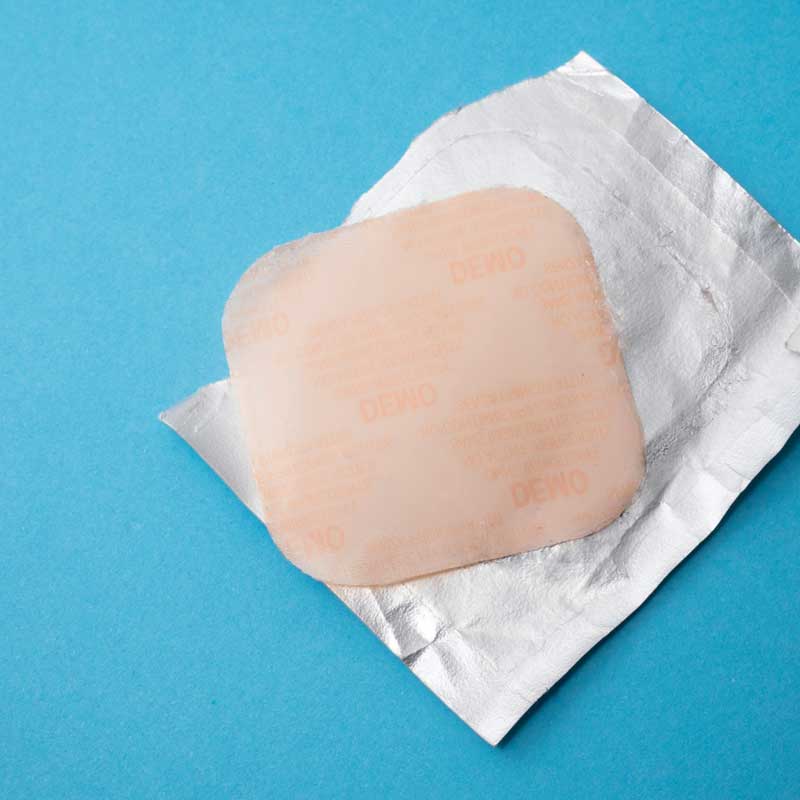
The contraceptive patch is a combined estrogen and progesterone patch which can be applied on the skin of the shoulder, upper back, abdomen, buttock or upper arm. They are very similar in composition to oral contraceptive pills but good for women who don’t want to or forget to take the pill every day. These need to be applied every week for 3 weeks are removed after that and a fresh one is applied after a gap of one week. In this 4 th week when the patch is not applied, the user will get her menstrual period. Ideally, this should be started on the first day of the period and if it is started on any other day, additional backup is needed for a week.
Some additional benefits include a lesser menstrual blood flow, lesser iron deficiency anaemia and lesser cramps. They can be used during bathing, swimming, sports etc.
However, some studies have shown a slightly higher chance of clots in the legs, though these are not proven in other trials. People who are obese with a BMI greater than 30 kg/m2 should not use them.
INTRAUTERINE CONTRACEPTIVE DEVICE AND SYSTEM CONTAINING PROGESTERONE
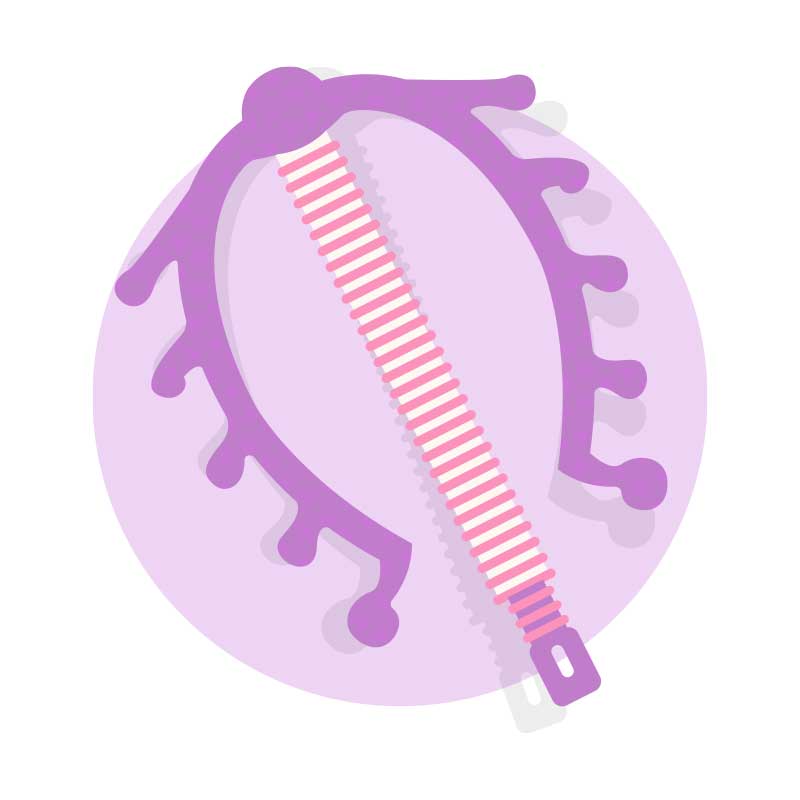
The IUCDS which contain copper have become sleeker, they can now be used even in young girls who have not yet borne children . Earlier it was contraindicated in this group of girls. It is a method which is low maintenance. These can be inserted by the health care provider for a period of 3-10 years and unlike the oral pills one doesn’t need to take them everyday. There is a risk of pelvic infection, especially if one has multiple sexual partners, there may be heavier periods and if it fails, a chance of tubal ectopic pregnancy as well.
The hormone containing IUD is the MIRENA which is effective in a number of associated conditions like heavy bleeding, cramping , endometriosis and correction of anemia owing to its property of reduced blood flow.
The common side effects though ,are irregular bleeding or spotting , which generally get better after 3-4 months of use. They may also cause stoppage of bleeding or amenorrhoea .
They are highly effective and no fuss, and a lot of women are switching over to these as a method of contraception.
IMPLANTS
Contraceptive implants contain a rod around 4 cm long which contains the hormone etonogestrel. It is inserted by a doctor certified to carry out a minor procedure ,under local anaesthesia ,in your non dominant upper arm, under the skin. It is easily felt by the recipient if properly inserted. This method too is a hormonal method, small quantities of the hormone released every day . It is removed after 3 years by another simple procedure. This implant is recommended for women who are breast feeding, in whom oestrogen is contraindicated and in women who prefer a non fussy, get it forget it approach.
Side effects include irregular spotting and occasionally stoppage of menstruation . It can be removed at any time if you wish to become pregnant or if you desire removal due to side effects.It has a quick return to fertility and while it is used it has very good efficacy. It is a preferred method in the west, though not so much in India currently .
INJECTABLE CONTRACEPTIVES
These have been available for many years and consist of the progesterone DMPA which is inserted once in every 3 months. The compliance of this has been poor due to the side effects of irregular spotting and amenorrhoea. Some weight gain has also been reported.

VAGINAL RING

Another method soon to hit the markets is the contraceptive vaginal ring which is a soft ring that contains hormones, inserted high up in the vagina. It is used for 3 weeks and then removed for 1 week in which the user gets her periods. It is easy to insert and remove and is not uncomfortable. It is not felt by her partner either at the time of sexual intercourse.
Remember to talk to your doctor to help you make a choice depending on your personality, lifestyle, goals and objectives. Associated conditions too. Also be assured that if one method doesn’t suit you, there are many others in this bouquet.