Category Contraception

Intrauterine Contraceptive Devices

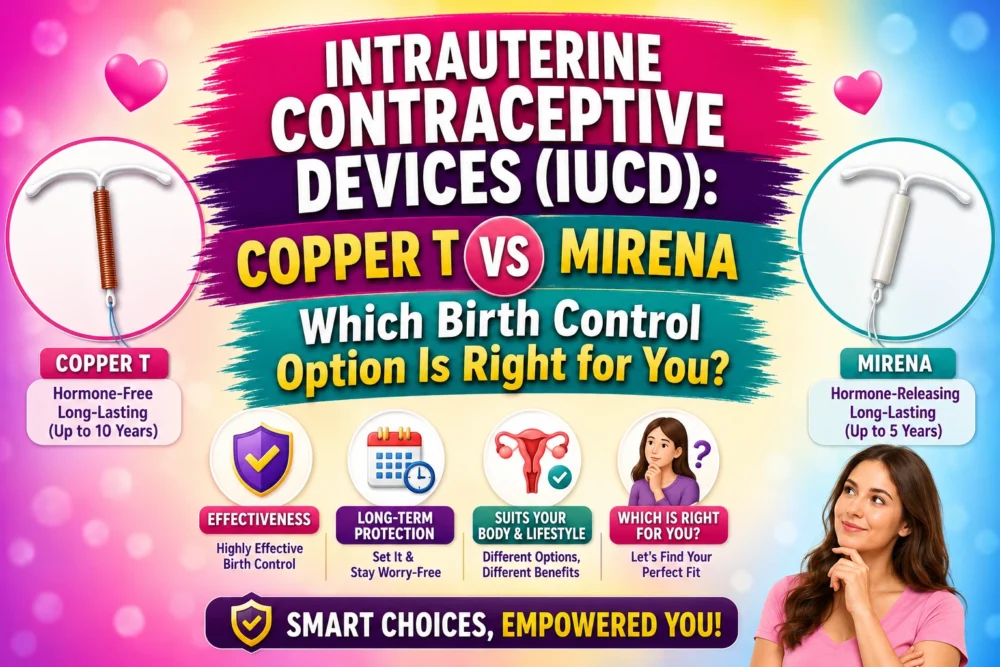
Intrauterine Contraceptive Devices (IUCD): Copper T vs Mirena – Which Birth Control Option Is Right for You?

When it comes to safe, long-term, and highly effective birth control methods, intrauterine contraceptive devices (IUCDs) are among the most trusted choices recommended by gynecologists worldwide. Women today are increasingly looking for non-surgical, reversible, and low-maintenance contraception options that fit their lifestyle and reproductive goals.

Among the most commonly used IUCDs are Copper T and Mirena. While both are inserted into the uterus to prevent pregnancy, they work differently and offer unique benefits.

If you are confused about choosing between Copper T and Mirena, this detailed guide by Dr. Shelly Singh will help you understand their differences, benefits, side effects, cost considerations, and which option may suit you best.

What Are Intrauterine Contraceptive Devices (IUCDs)?

An intrauterine contraceptive device (IUCD) is a small T-shaped device inserted into the uterus by a qualified gynecologist to prevent pregnancy. IUCDs are considered one of the most effective reversible contraception methods available today.

They are popular because they:

  • Provide long-term pregnancy protection
  • Are reversible and fertility returns after removal
  • Require minimal maintenance
  • Are highly effective (more than 99%)
  • Are suitable for many women, including mothers after childbirth

IUCDs are mainly divided into two categories:

  1. Copper-based IUCDs (Copper T)
  2. Hormonal IUCDs (Mirena)

What Is Copper T?

Copper T is a non-hormonal intrauterine contraceptive device wrapped with copper wire. The copper creates an environment that prevents sperm from fertilizing the egg.

Copper T is widely preferred by women who:

  • Want hormone-free birth control
  • Need long-term contraception
  • Are breastfeeding
  • Want a cost-effective family planning option

How Copper T Works

Copper ions released from the device:

  • Reduce sperm mobility
  • Prevent sperm from reaching the egg
  • Create changes in the uterus that reduce chances of implantatio

Duration of Copper T

Depending on the type, the copper T can provide protection for

  • 5 years
  • 10 years

Benefits of Copper T

  • Hormone-free contraception
  • Long-lasting protection
  • Highly effective birth control
  • Safe during breastfeeding
  • Quick fertility return after removal
  • Affordable contraceptive option
  • Minimal ongoing maintenance

Possible Side Effects of Copper T

Some women may experience:

  • Heavy periods
  • Increased menstrual cramps
  • Spotting between periods
  • Mild discomfort after insertion

These symptoms usually improve within a few months.

What Is Mirena?

Mirena is a hormonal intrauterine system (IUS) that releases a small amount of levonorgestrel hormone into the uterus.

Unlike the Copper T, Mirena not only prevents pregnancy but can also help manage several gynecological conditions.

How Mirena Works

Mirena prevents pregnancy by

  • Thickening cervical mucus
  • Preventing sperm movement
  • Thinning the uterine lining
  • In some cases, suppressing ovulation

Duration of Mirena

Mirena typically provides contraception for:

  • Up to 8 years

Benefits of Mirena

  • Extremely effective birth control
  • Lighter periods or no periods over time
  • Reduced menstrual pain
  • Helpful for women with heavy bleeding
  • Can help manage endometriosis symptoms
  • Convenient and low-maintenance
  • Reversible fertility control

Possible Side Effects of Mirena

Some women may experience:

  • Irregular spotting initially
  • Hormonal side effects such as acne or mood changes
  • Breast tenderness
  • Headaches
  • Ovarian cysts in some cases

Most side effects reduce within the first few months after insertion.

Copper T vs Mirena: Key Differences

Feature Copper T Mirena
Type Non-hormonal IUCD Hormonal IUCD
Hormones No Yes
Duration 5–10 years Up to 8 years
Effect on Periods May increase bleeding Often reduces bleeding
Best For Women wanting hormone-free contraception Women with heavy periods or painful menstruation
Cost More affordable Higher initial cost
Breastfeeding Friendly Yes Usually yes under doctor guidance
Fertility After Removal Returns quickly Returns quickly

Who Should Choose Copper T?

Copper T may be suitable if you:

  • Prefer hormone-free birth control
  • Want long-term contraception
  • Have regular menstrual cycles
  • Are looking for affordable contraception
  • Need emergency contraception within 5 days of unprotected intercourse

Who Should Choose Mirena?

Mirena may be ideal if you:

  • Have heavy menstrual bleeding
  • Experience painful periods
  • Want lighter or absent periods
  • Need both contraception and therapeutic gynecological benefits
  • Prefer a low-maintenance hormonal birth control option

Is IUCD Insertion Painful?

Most women experience only mild discomfort during insertion. The procedure is quick and usually completed within a few minutes in the clinic.

Some women may feel:

  • Mild cramping
  • Temporary dizziness
  • Light spotting afterward

Experienced gynecologists like Dr. Shelly Singh ensure safe, comfortable, and hygienic insertion procedures with proper counseling before and after placement.

When Is the Best Time for IUCD Insertion?

An IUCD can be inserted

  • During periods
  • After childbirth
  • After a cesarean section
  • After abortion under medical supervision

The right timing depends on your health condition, menstrual cycle, and reproductive goals.

Are the Copper T and Mirena safe?

Yes, both Copper T and Mirena are considered safe and effective when inserted by a qualified gynecologist.

However, they may not be suitable for women with:

  • Active pelvic infections
  • Certain uterine abnormalities
  • Unexplained vaginal bleeding
  • Copper allergy (for the copper T)
  • Hormone-sensitive conditions (for Mirena)

A proper gynecological consultation is important before choosing any contraceptive method.

How Effective Are IUCDs?

Both Copper T and Mirena are more than 99% effective in preventing pregnancy, making them among the most reliable contraceptive methods available.

Their effectiveness is comparable to permanent sterilization but with the advantage of reversibility.

Can Pregnancy Happen with a Copper T or Mirena?

Pregnancy with an IUCD is rare but possible in very uncommon cases.

You should immediately consult a gynecologist if you experience:

  • Missed periods
  • Severe abdominal pain
  • Positive pregnancy test
  • Unusual bleeding

Regular follow-up visits help ensure proper IUCD placement and function.

Recovery and Aftercare Following IUCD Insertion

After insertion, women are generally advised to:

  • Avoid intercourse for 24–48 hours
  • Monitor for unusual pain or fever
  • Attend follow-up appointments
  • Check for IUCD strings periodically if advised

Most women can resume normal activities the same day.

Why Choose Dr. Shelly Singh for IUCD Consultation and Insertion?

Choosing the right gynecologist is essential for safe and effective contraceptive care.

Dr. Shelly Singh is known for providing the following:

  • Personalized family planning guidance
  • Advanced gynecological care
  • Safe Copper T and Mirena insertion
  • Confidential consultations
  • Compassionate women’s healthcare support
  • Evidence-based treatment recommendations

Whether you are looking for long-term birth control, postpartum contraception, or treatment for heavy periods, expert evaluation can help you make the best decision.

Frequently Asked Questions (FAQs)

1. Which is better: Copper T or Mirena?

The best option depends on your medical history, menstrual pattern, and personal preferences. The Copper T is ideal for hormone-free contraception, while Mirena is beneficial for women with heavy or painful periods.

2.Can I get pregnant after removing the IUCD?

Yes. Fertility usually returns quickly after the removal of both the Copper T and Mirena.

3. Is Mirena good for heavy bleeding?

Yes. Mirena is commonly recommended for women with excessive menstrual bleeding.

4. How much does the Copper T or Mirena cost?

The cost varies depending on the clinic, brand, and consultation charges. Copper T is generally more affordable than Mirena.

5. Can IUCDs affect future fertility?

No. IUCDs are reversible contraceptive methods and do not permanently affect fertility.

Book Your IUCD Consultation with Dr. Shelly Singh

If you are considering Copper T insertion or Mirena insertion or need expert advice for the best contraception method, consult Dr. Shelly Singh for personalized women’s healthcare solutions.

Early consultation can help you choose a safe, comfortable, and effective birth control method tailored to your lifestyle and reproductive health goals.

Schedule Your Appointment Today

  • Expert Gynecology Consultation
  • Safe IUCD Insertion Procedures
  • Personalized Contraception Planning
  • Advanced Women’s Healthcare Support

Conclusion

Intrauterine contraceptive devices such as Copper T and Mirena are highly effective, safe, and convenient options for women seeking long-term contraception.

The right choice depends on your body, health condition, menstrual cycle, and future pregnancy plans. A proper consultation with an experienced gynecologist can help you make an informed and confident decision.

If you are exploring reliable birth control solutions or need expert women’s healthcare guidance, consult Dr. Shelly Singh for personalized and evidence-based gynecological care.

Contraception Specialist in Delhi | Comprehensive Care for Women’s Health

When it comes to reproductive health, the guidance of a trusted contraception specialist in Delhi can make all the difference. Choosing the right method requires not only awareness but also professional support. With expert advice, women and couples can explore safe, effective, and comfortable options that suit their lifestyle and health needs.

Why Visit a Contraception Specialist in Delhi?

A contraception specialist helps women and couples make informed decisions about their reproductive health. Instead of relying only on general information, consulting a professional ensures that methods are safe, reliable, and suitable for your medical history.

Whether you are exploring hormonal methods, intrauterine devices, or permanent procedures, a specialist provides clarity. In Delhi, Dr. Shelly is a highly regarded name, offering compassionate care and modern solutions for family planning.

Categories of Contraceptives

Contraceptives are available in different types. Each category works in a unique way:

  • Barrier Methods – Condoms, diaphragms, cervical caps (prevent sperm from reaching the egg).
  • Hormonal Methods – Birth control pills, patches, injectables, and vaginal rings (use hormones to stop ovulation).
  • Intrauterine Devices (IUDs) – Copper IUDs and hormonal IUDs (placed in the uterus to prevent pregnancy).
  • Emergency Contraceptives – Morning-after pills taken after unprotected sex.
  • Permanent Methods – Tubectomy (for women) and vasectomy (for men).
  • Natural Methods – Fertility awareness methods and withdrawal, though less reliable.

Is Gynecologist Advice Necessary Before Starting Contraceptive Methods?

The simple answer is no, it is not legally essential. Some contraceptives, such as pills, condoms, as well as emergency contraceptives, do not require a prescription.

However, consulting a gynecologist is highly recommended. A doctor is best able to:

  • Suggest the method most suited to your health and lifestyle
  • Explain the pros and cons of each option
  • Highlight possible side effects

  • Identify contraindications to use as well (health conditions that may make certain methods unsafe for you)

So while you can start some methods without medical advice, professional guidance ensures a safer and more effective choice.

Family Planning Solutions Tailored to You

The role of a contraception specialist in Delhi extends beyond prescribing methods. Personalized family planning solutions ensure that choices align with your health, comfort, and future goals. From short-term options like condoms and pills to long-term or permanent methods, experts like Dr. Shelly guide you every step of the way.

Benefits of Consulting a Specialist

Meeting a contraception specialist in Delhi provides:

  • Clear explanation of all birth control options
  • Confidential and supportive consultations
  • Professional gynecologist advice backed by experience
  • Safer outcomes with reduced risk of side effects

This ensures your reproductive health decisions are safe, practical, and stress-free.

Frequently Asked Questions (FAQs)

Q1. Why should I consult a contraception specialist in Delhi instead of choosing a method myself?
 Specialists make sure the chosen method is safe, effective, and suitable for your health and lifestyle, reducing risks and complications.

Q2. Are family planning solutions permanent?
 Not all methods are permanent. Pills, condoms, and IUDs are reversible. Surgical procedures like tubectomy or vasectomy are permanent.

Q3. Can contraception affect fertility later?
 Most contraceptive methods are reversible and do not harm long-term fertility. Fertility usually returns once you stop using them.

Q4. Is gynecologist advice in Delhi necessary before starting contraception?
 It’s not legally essential, and some contraceptives like pills, condoms, as well as emergency contraceptives do not require a prescription. However, a doctor is best able to see the method best suited to you, explain its pros and cons, side effects, and contraindications to use as well.

Conclusion

Taking control of your reproductive health starts with the right guidance. Consulting a contraception specialist in Delhi ensures safety, effectiveness, and peace of mind. With modern facilities and caring experts like Dr. Shelly, women and couples can make confident decisions about family planning.

Call to Action (CTA)

Ready to choose the right contraceptive method for yourself? Book a consultation with a leading contraception specialist in Delhi today and get expert advice tailored to your needs.

Clinic Address: C-30, Neeti Bagh, New Delhi-110049, Landmark: Near Ansal Plaza, Delhi
 Telephone: 9811555446
 E-mail: [email protected]

Contact today and take the first step toward safe and reliable family planning.

Contraception Specialist in Delhi: How to Choose the Right Contraception Method for Your Lifestyle

Choosing the right contraception method is one of the most important decisions for women who want safe and effective family planning. With several birth control options available today, it is essential to consult a contraception specialist in Delhi who can guide you with the best choice based on your health, lifestyle, and future family plans.

When it comes to reproductive health, Dr Shelly Singh, a highly experienced contraception specialist in Delhi, offers personalized care to women inDelhi and nearby areas. Her goal is to help women make informed decisions with expert gynecologist advice Delhi and safe, effective family planning solutions.

Why Choosing the Right Contraception Matters

Every woman’s body and needs are unique. The right contraception method depends on factors like:

  • Your age and overall health

  • Whether you plan to have children in the future

  • Convenience and ease of use

  • Effectiveness and possible side effects

With professional guidance from a trusted contraception specialist in Delhi like Dr Shelly Singh, you can avoid confusion and make the right choice for your long-term health and lifestyle.

Common Birth Control Options

Here are some of the most widely used birth control options:

  1. Oral Contraceptive Pills – Easy to use but require consistency.

  2. Intrauterine Device (IUD) – Long-term protection, reversible anytime.

  3. Contraceptive Implants or Injections – Reliable and low maintenance.

  4. Barrier Methods (Condoms, Diaphragms) – Offer protection against STDs.

  5. Permanent Methods (Tubal Ligation) – Suitable for women who do not wish to have children in the future.

Gynecologist Advice Delhi: Personalized Family Planning

Every woman deserves care tailored to her unique health profile. With years of expertise, Dr Shelly Singh provides provides gynecological care and advice in Delhi that focuses on safe, effective, and convenient family planning solutions.

Her patient-centric approach ensures that women in Delhi and nearby areas receive the best medical guidance when choosing contraception methods.

Why Consult Dr Shelly Singh?

  • 20+ years of expertise as a contraception specialist in Delhi

  • Holistic counseling on birth control options

  • Comprehensive family planning solutions customized to lifestyle

  • Trusted gynecologist advice Delhi backed by clinical experience

Dr Shelly Singh believes in empowering women with knowledge and safe choices for their reproductive health.

FAQs

Q1. Which contraception method is best for me?
 The best method depends on your health, lifestyle, and family planning goals. A consultation with a contraception specialist in Delhi ensures the safest choice.

Q2. Are there side effects to birth control options?
 Some women may experience mild side effects, but with proper gynecologist advice Delhi, risks can be minimized.

Q3. Can contraception affect future pregnancy?
 Most methods are reversible. Under the guidance of Dr Shelly Singh, you can choose safe family planning solutions without affecting future fertility.

Call to Action

If you are looking for expert advice on safe and effective birth control options, consult Dr Shelly Singh, a leading contraception specialist in Delhi. Take control of your reproductive health today with the right family planning solutions tailored to your lifestyle.

📞 Book an appointment now and get the best gynecologist advice Delhi for your needs.

Lets talk about the methods of contraception beyond old school

Let’s deviate a bit from the classical methods of contraception and talk about some of the new kids on the block .

Some of the newer methods are the contraceptive patches, vaginal rings , implants, injectables and intrauterine system containing hormones.

They may not have taken the Indian woman by the storm but its important she knows about them and takes a calculated choice about using them.

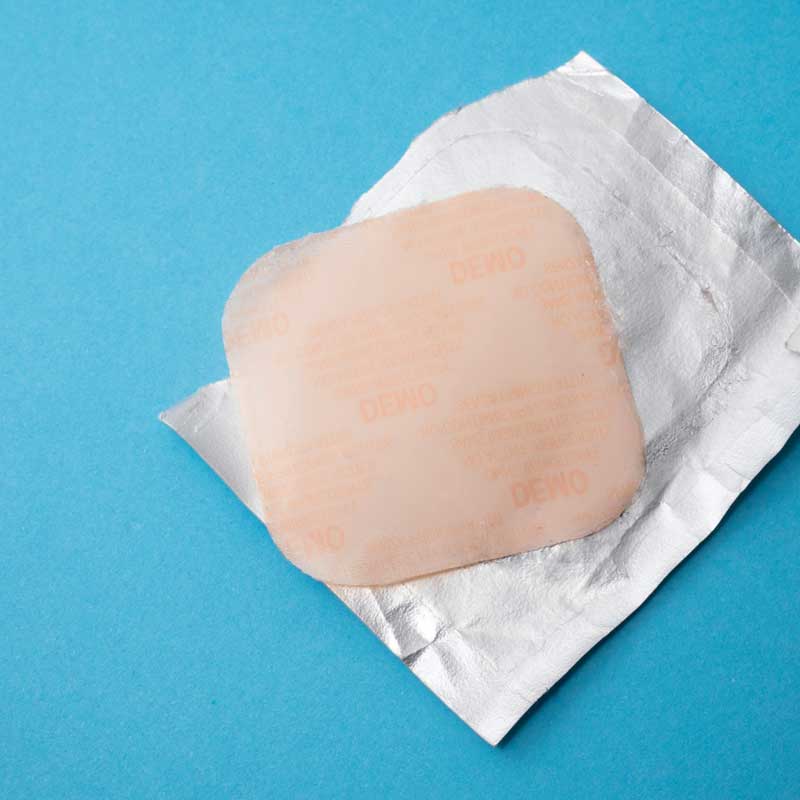
CONTRACEPTIVE PATCH:

The contraceptive patch is a combined estrogen and progesterone patch which can be applied on the skin of the shoulder, upper back, abdomen, buttock or upper arm. They are very similar in composition to oral contraceptive pills but good for women who don’t want to or forget to take the pill every day. These need to be applied every week for 3 weeks are removed after that and a fresh one is applied after a gap of one week. In this 4 th week when the patch is not applied, the user will get her menstrual period. Ideally, this should be started on the first day of the period and if it is started on any other day, additional backup is needed for a week.

Some additional benefits include a lesser menstrual blood flow, lesser iron deficiency anaemia and lesser cramps. They can be used during bathing, swimming, sports etc.

However, some studies have shown a slightly higher chance of clots in the legs, though these are not proven in other trials. People who are obese with a BMI greater than 30 kg/m2 should not use them.

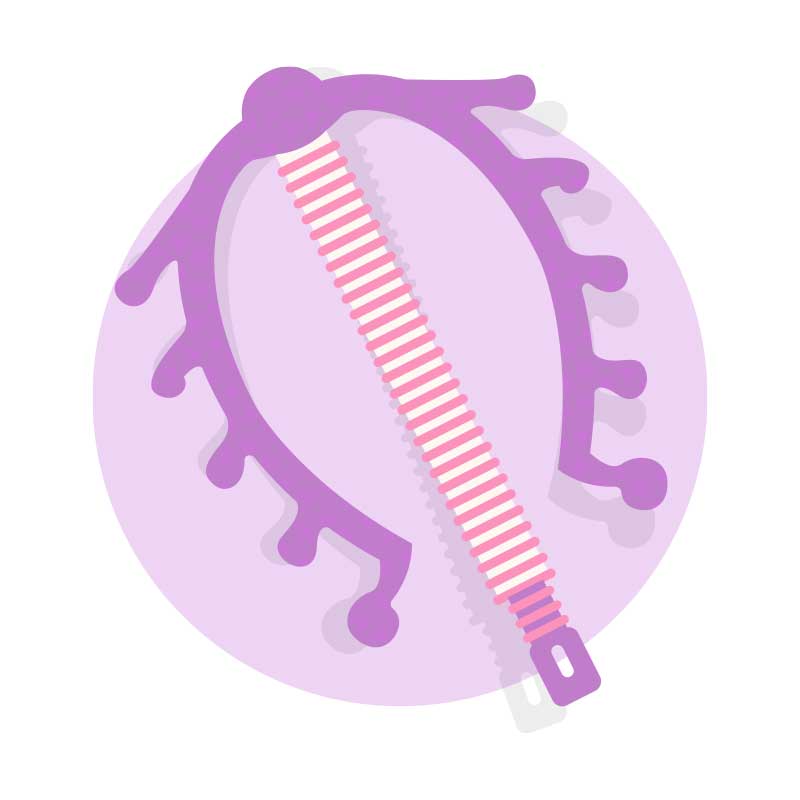
INTRAUTERINE CONTRACEPTIVE DEVICE AND SYSTEM CONTAINING PROGESTERONE

The IUCDS which contain copper have become sleeker, they can now be used even in young girls who have not yet  borne children . Earlier it was contraindicated in this group of girls. It is a method which is low maintenance. These can be inserted by the health care provider for a period of 3-10 years and unlike the oral pills one doesn’t  need to take them everyday. There is a risk of pelvic infection, especially if one has multiple sexual partners, there may be heavier periods and if it fails, a chance of tubal ectopic pregnancy as well.

The hormone containing IUD is the MIRENA which is effective in a number of associated conditions like heavy bleeding, cramping , endometriosis and correction of anemia owing to its property  of reduced blood flow.

The common side effects though ,are irregular bleeding or spotting , which generally get better after 3-4 months of use. They may also cause stoppage of bleeding or amenorrhoea .

They are highly effective and no fuss, and a lot of women are switching over to these as a method of contraception.


IMPLANTS

Contraceptive implants contain a rod around 4 cm long which contains the hormone etonogestrel. It is inserted by a doctor certified to carry out a minor procedure ,under local anaesthesia ,in your  non dominant upper arm, under the skin. It is easily felt by the recipient if properly inserted. This method too is a hormonal method, small quantities of the hormone released every day . It is removed after 3 years by another simple procedure. This implant is recommended for women who are breast feeding, in whom oestrogen is contraindicated and in women who prefer a non fussy, get it forget it approach.

Side effects include irregular spotting and occasionally stoppage of menstruation . It can be removed at any time if you wish to become pregnant or if you desire removal due to side effects.It has a quick return to fertility and while it is used it has very good efficacy. It is a preferred method in the west, though not so much in India currently .

INJECTABLE CONTRACEPTIVES

These have been available for many years and consist of the progesterone DMPA which is inserted once in every 3 months. The compliance of this has been poor due to the side effects of irregular spotting and amenorrhoea. Some weight gain has also been reported.

VAGINAL RING

Another method soon to hit the markets is the contraceptive vaginal ring which is a soft ring that contains hormones, inserted high up in the vagina. It is used for 3 weeks and then removed for 1 week in which the user gets her periods. It is easy to insert and remove and is not uncomfortable. It is not felt by her partner either at the time of sexual intercourse.

Remember to talk to your doctor to help you make a choice depending on your personality, lifestyle, goals and objectives. Associated conditions too. Also be assured that if one method doesn’t suit you, there are many others in this bouquet.

CONTRACEPTION – HOW TO CHOOSE WHATS BEST FOR YOU

There is a whole basket of birth control methods that are available, often so confusing. My aim is to run you through some of these so that you can choose what is appropriate for you. The best person to guide you is your doctor.Choose what is best for you.Also, do not worry, if one does not suit you; there are many alternatives that you can try till you find one that is good for you.

The methods available are :

  • Condoms [male]
  • Condoms [female]
  • Caps
  • Diaphragms
  • Combined pills
  • Progesterone only pills
  • Contraceptive implant
  • Contraceptive injection
  • Contraceptive patch
  • Intrauterine device [ copper containing and hormone containing]
  • Vaginal ring
  • Rhythm method

Permanent methods:

  • Tubectomy
  • Vasectomy

Condoms and other barrier methods like cervical caps and diaphragms prevent sexually transmitted diseases as well.

WHO CAN USE THE COMBINED PILL?

Combined estrogen and progesterone pills help by preventing ovulation [release of the egg], by preventing the egg to be fertilised by the sperm or by making cervical mucous thick. When used correctly, the pill is 99% effective in preventing pregnancy.

Your doctor will take a proper history and rule out contraindications to take the pill. The pill may not be good for you if:

  • You are a smoker and are 35 years or older
  • Stopped smoking less than a year ago and are 35 years of age or more
  • Are extremely overweight
  • Take certain medicines which may interact with these pills
  • Have had blood clots in a vein or a stroke
  • Have a family history of blood clots or stroke
  • Have heart disease or severe hypertension
  • Have severe migraines or depression
  • Have breast cancer or genital cancer
  • Gall bladder disease
  • Diabetes

Immediately post-delivery when you are breastfeeding your baby

You will highly benefit from these pills even if you have heavy bleeding, fibroids, ovarian cysts, endometriosis, PCOS, symptoms of PMS and many other problems like acne and abnormal hair growth.

Remember, though that these pills do not protect against STDs

WHO IS A GOOD CANDIDATE FOR A CONTRACEPTIVE IMPLANT OR HORMONE CONTAINING IUD?

If you forget to take a pill everyday and find doing so very troublesome , a hormone containing implant or IUD is good for you . It can be inserted for a period of 3-5 years . Also, it is indicated where estrogen is not indicated especially for girls who are breast feeding . It reduces heavy bleeding and period pain .

Remember however that it requires insertion by a doctor .

WHO CAN USE THE PROGESTERONE ONLY PILL?

If you’re above 35 years of age, a smoker , are breast feeding your baby and don’t have a problem about taking the pill everyday or with irregular bleeding or spotting or no periods (amenorrhea ) while you use this POP.

WHO NEEDS A PERMANENT METHOD OF BIRTH CONTROL?

A vasectomy or tubectomy is suited for someone who’s completed their family and does not want any more children. These methods are generally irreversible; they have a small chance of reversal depending on many factors. You must be very sure before you opt for these procedures.

There is a method that suits everyone ; just let your doctor find the one which will help you prevent an unwanted pregnancy and unnecessary and occasionally risky terminations