Itching During Pregnancy: Could It Be Intrahepatic Cholestasis of Pregnancy (IHCP)?
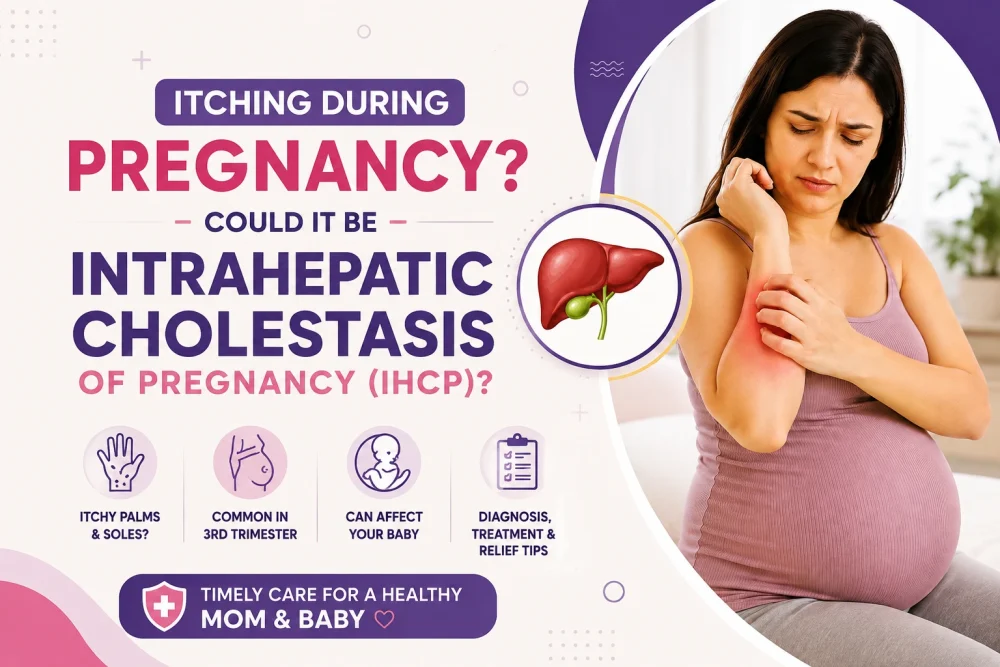
Pregnancy brings many changes to your body, and itching during pregnancy is one of the most common complaints experienced by expectant mothers. While mild itching can occur due to stretching skin and hormonal changes, persistent itching—especially during the third trimester—may indicate a more serious condition known as Intrahepatic Cholestasis of Pregnancy (ICP), also referred to as Intrahepatic Cholestasis of Pregnancy (IHCP).

Recognizing the symptoms early is important because untreated ICP can increase the risk of complications for your baby. As experienced obstetricians like Dr. Shelly Singh often emphasize, timely diagnosis and appropriate pregnancy care play a significant role in ensuring the health of both mother and baby.

What Is Intrahepatic Cholestasis of Pregnancy (ICP)?

Intrahepatic cholestasis of pregnancy (ICP) is a liver disorder that typically develops during the second or third trimester of pregnancy. In this condition, the normal flow of bile from the liver slows down, causing bile acids to accumulate in the bloodstream.

This buildup results in intense itching without an obvious skin disease. Although the symptoms usually disappear after delivery, ICP requires close monitoring throughout pregnancy because of its potential impact on the baby.

Why Does ICP Occur?

The exact cause is not fully understood, but several factors may contribute:

  • Pregnancy hormones affecting bile flow
  • Genetic predisposition
  • Liver sensitivity to estrogen
  • Family history of ICP
  • Multiple pregnancies (twins or triplets)
  • Previous history of cholestasis during pregnancy

Women with these risk factors should discuss any unusual symptoms with their obstetrician.

Symptoms of Intrahepatic Cholestasis of Pregnancy

The hallmark symptom is itching during pregnancy, particularly in the third trimester.

Common symptoms include:

  • Itchy palms pregnancy
  • Intense itching on the soles of the feet
  • Itchy skin during pregnancy 3rd trimester
  • Itchy stomach during pregnancy
  • Difficulty sleeping due to severe itching
  • Dark-colored urine
  • Pale stools
  • Mild jaundice in rare cases

Does Intrahepatic Cholestasis of Pregnancy Cause Rash?

One of the most common questions women ask is, “Does intrahepatic cholestasis of pregnancy cause rash?”

The answer is generally no. ICP itself does not usually produce a rash. However, repeated scratching may cause redness, scratch marks, or skin irritation.

Similarly, if you are wondering about intrahepatic cholestasis of pregnancy rash or what intrahepatic cholestasis of pregnancy looks like, the condition usually appears as normal-looking skin with visible scratch marks rather than a true rash.

How Is ICP Diagnosed?

If your doctor suspects ICP, they may recommend the following:

  • Liver Function Tests (LFTs)
  • Serum Bile Acid Test
  • Routine pregnancy monitoring
  • Ultrasound to evaluate fetal well-being (although ultrasound cannot diagnose ICP)

Early diagnosis helps reduce complications through timely management.

Intrahepatic Cholestasis of Pregnancy Treatment

The primary goal of intrahepatic cholestasis of pregnancy treatment is to reduce bile acid levels, relieve itching, and monitor the baby’s health.

Treatment may include:

  • Prescription medications such as Ursodeoxycholic Acid (UDCA)
  • Regular liver function monitoring
  • Frequent fetal surveillance
  • Monitoring bile acid levels
  • Planning delivery when medically appropriate

Never self-medicate during pregnancy. Always follow your obstetrician’s advice.

How to Get Relief from Itching During Pregnancy

Many women ask how to get relief from itching during pregnancy.

Although home remedies cannot treat ICP, they may provide temporary comfort:

  • Wear loose cotton clothing.
  • Keep your skin moisturized.
  • Take cool showers.
  • Stay hydrated.
  • Avoid excessive heat.
  • Use pregnancy-safe moisturizers as advised by your doctor.

Medical treatment remains essential if ICP is diagnosed.

Intrahepatic Cholestasis of Pregnancy Effects on Baby

One of the biggest concerns is the intrahepatic cholestasis of pregnancy effects on the baby.

Potential risks include the following:

  • Preterm birth
  • Fetal distress
  • Passage of meconium before birth
  • Breathing difficulties after delivery
  • Increased risk of stillbirth in severe untreated cases

These risks vary depending on bile acid levels, which is why regular monitoring is extremely important.

Can Intrahepatic Cholestasis of Pregnancy Cause Fulminant Failure?

Some patients wonder, “Can intrahepatic cholestasis of pregnancy cause fulminant failure?”

In most pregnancies, ICP does not progress to fulminant liver failure. Severe liver failure is considered extremely rare. However, untreated ICP can significantly affect pregnancy outcomes, making prompt medical evaluation essential.

When Should You Consult a doctor?

Seek immediate medical advice if you experience:

  • Severe itching, especially at night
  • Persistent itchy palms or soles
  • Yellowing of the eyes or skin
  • Reduced fetal movements
  • Dark urine with unexplained itching

Early consultation helps ensure timely diagnosis and treatment.

Expert Pregnancy Care Matters

Every pregnancy is unique. Persistent itching should never be ignored, particularly during the later stages of pregnancy. Experienced obstetricians like Dr. Shelly Singh recommend early evaluation of persistent itching to rule out liver-related pregnancy conditions such as ICP and to provide personalized care based on the mother’s health and pregnancy stage.

Frequently Asked Questions

1. What is intrahepatic cholestasis of pregnancy (ICP)?

It is a pregnancy-related liver disorder that causes bile acids to build up in the bloodstream, leading to severe itching.

2. Does intrahepatic cholestasis of pregnancy cause rash?

No. ICP usually does not cause a rash. The skin may appear normal, with scratch marks caused by excessive itching.

3. What does intrahepatic cholestasis of pregnancy look like?

Most women have normal-looking skin without visible rashes. Scratching may lead to redness or skin irritation.

4. Is itching during pregnancy always a sign of ICP?

No. Mild itching is common during pregnancy, but severe itching—especially on the palms and soles—should be evaluated by a doctor.

5. What are the intrahepatic cholestasis of pregnancy effects on the baby?

Possible risks include preterm birth, fetal distress, meconium-stained amniotic fluid, and in severe untreated cases, an increased risk of stillbirth.

6. How is intrahepatic cholestasis of pregnancy treated?

Treatment includes medications to reduce bile acids, regular blood tests, fetal monitoring, and delivery planning based on the severity of the condition.

Conclusion

While itching during pregnancy is often harmless, persistent or severe itching should never be overlooked. Intrahepatic cholestasis of pregnancy (ICP/IHCP) is a manageable condition when diagnosed early and monitored carefully. Timely medical attention, appropriate treatment, and regular prenatal follow-ups can significantly improve outcomes for both mother and baby.

If you experience persistent itching during pregnancy, consult an experienced obstetrician for a thorough evaluation. Early diagnosis and expert guidance from specialists such as Dr. Shelly Singh can help ensure a safer and healthier pregnancy journey.

(Visited 9 times, 1 visits today)

Leave A Comment

Your email address will not be published. Required fields are marked *