Date Archives October 2025

Top Body Parts Affected During Pregnancy– Dr. Shelly Singh

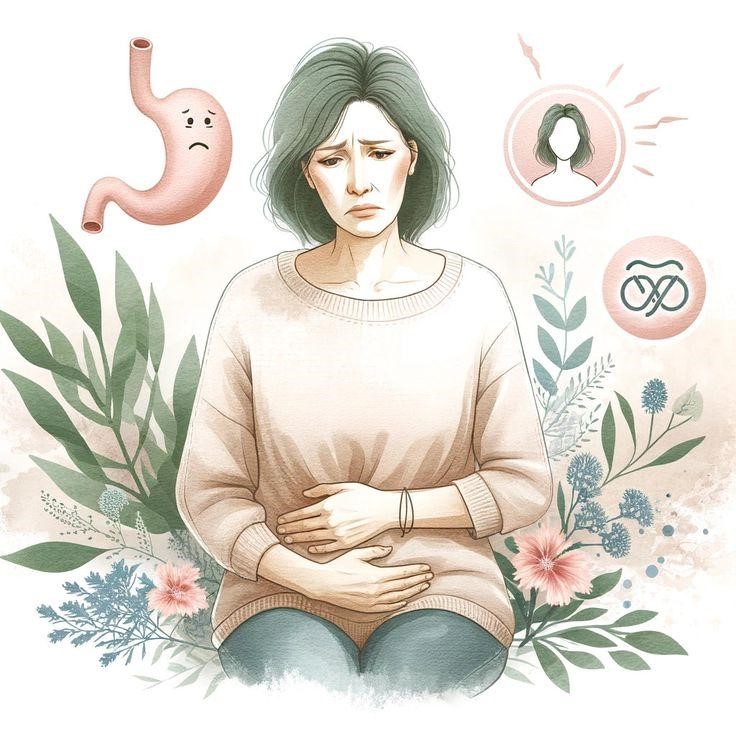
Pregnancy is a beautiful journey, but it also brings many body changes during pregnancy. As your body prepares to nurture new life, several areas undergo transformation — some visible, others more subtle. Understanding these pregnancy physical changes can help you stay comfortable, confident, and healthy throughout your pregnancy.

Under the guidance of Dr. Shelly Singh, a leading gynecologist in South Delhi, here’s what you can expect — and how to care for your body during this special time.

1. The Hormonal Shift – The Root of All Changes

Hormones such as estrogen, progesterone, and relaxin surge during pregnancy, affecting nearly every system in your body. These hormonal shifts can cause mood swings, fatigue, skin changes, and muscle relaxation.

Hormonal Shift

Solution:

  • Maintain a regular sleep routine and a balanced diet.
  • Stay hydrated and include fiber-rich foods to manage digestion.
  • Gentle yoga or meditation can help balance mood and energy.
  • Schedule regular prenatal visits with Dr. Shelly Singh to monitor hormonal health.

2. Breasts and Chest – Preparing for Motherhood

Your breasts begin preparing for breastfeeding early in pregnancy. You may notice tenderness, heaviness, enlargement, or darkened nipples and more visible veins.

Solution:

  • Wear a well-fitting maternity or sports bra for support.
  • Avoid harsh soaps on the nipples.
  • A gentle massage with natural oils can relieve discomfort.
  • Maintain good posture to reduce strain on your upper back.
 Breasts and Chest

3. Abdomen and Pelvic Region – The Centre of Transformation

As the baby grows, your belly expands and abdominal muscles stretch. Some women may experience mild round ligament pain or separation of abdominal muscles (diastasis recti). Pelvic floor muscles also bear extra pressure.

Solution:

  • Practise light stretching and pelvic tilts as advised by doctor.
  • Perform Kegel exercises to strengthen pelvic floor muscles.
  • Use a maternity support belt if needed.
  • Moisturize your belly daily to reduce stretch marks and skin itchiness.

4. Back and Spine – The Posture Struggle

Shifts in posture due to belly growth can cause back pain or discomfort in the lower spine.

Back and Spine

Solution:

  • Sit with a straight back and use lumbar support.
  • Avoid standing for prolonged periods; wear flat, supportive shoes.
  • Gentle prenatal yoga or stretches can help maintain flexibility.
  • Use a warm compress or prenatal massage after consulting doctor.

5. Legs and Feet – Bearing the Weight

Increased weight and fluid retention can lead to swelling, cramps, or varicose veins in the legs and feet.

Solution:

  • Elevate your legs whenever possible.
  • Stay active with short walks or gentle prenatal exercises.
  • Sleep on your left side to improve circulation.
  • Drink plenty of water and limit excessive salt.
  • Avoid sitting with crossed legs for long periods.
Legs and Feet – Bearing the Weight

6. Skin, Hair, and Face – The Beauty and the Blemishes

Hormonal changes can affect your skin, hair, and nails — giving some women a natural glow and others acne or pigmentation (melasma). Hair may grow faster or become more brittle.

Solution:

  • Follow a gentle, pregnancy-safe skincare routine.
  • Always use sunscreen to prevent pigmentation.
  • Eat antioxidant-rich foods for skin health.
  • Consult your doctor before using any new creams or treatments.

7. Emotional and Cognitive Changes – Mind and Mood

Emotional ups and downs, irritability, or forgetfulness are common due to hormonal fluctuations.

Emotional and Cognitive Changes – Mind and Mood

Solution:

  • Take breaks, rest well, and prioritize mental health.
  • Share your feelings with your partner or loved ones.
  • Try journaling, meditation, or light prenatal exercises to relieve stress.
  • Seek professional help if you feel persistently anxious or depressed.

8. How to Manage and Support Your Changing Body

Caring for yourself helps your body adapt and reduces discomfort.

Tips for a Healthy Pregnancy:

  • Eat balanced meals rich in iron, calcium, and protein.
  • Stay hydrated and manage gradual weight gain.
  • Get sufficient sleep and rest on your side to aid circulation.
  • Keep all prenatal appointments for ongoing monitoring of both mother and baby.

9. When to Seek Medical Advice

Some changes require prompt attention. Contact your gynecologist if you notice:

  • Sudden or severe swelling in the hands, face, or feet
  • Persistent headaches or vision changes
  • Unusual pain, bleeding, or fluid leakage
  • Reduced fetal movements

Early consultation ensures both your safety and your baby’s well-being.

10. FAQs – Common Questions About Pregnancy Body Changes

1. When do most physical changes begin?
Most changes start in the first trimester, with more noticeable effects in the second and third trimesters.

2. Is back pain normal during pregnancy?
Yes. Mild to moderate back pain is common and can be eased with posture care, stretching, and rest.

3. How can I manage swelling in my feet?
Elevate your legs, stay active, and wear comfortable shoes. Proper hydration can also reduce swelling.

4. Will my body return to normal after delivery?
Many changes gradually reverse postpartum. Gentle exercise, healthy eating, and adequate rest help regain strength and tone.

Conclusion

Pregnancy brings extraordinary body changes — each preparing your body for the miracle of life. While discomforts are normal, most can be managed with care, rest, and professional guidance.

With Dr. Shelly Singh, one of Delhi NCR’s leading gynecologist you can navigate every phase of pregnancy with confidence, comfort, and expert care.

Book a consultation today to ensure the best care for you and your baby throughout your pregnancy journey.

Top Risk Factors for Breast Cancer and How to Reduce Them

Breast cancer is a significant health concern for women worldwide, including in Delhi NCR. Understanding the top risk factors for breast cancer and implementing preventive measures can significantly reduce the likelihood of developing this disease. In this comprehensive guide, we’ll explore these risk factors and provide actionable steps to mitigate them, with expert insights from Dr. Shelly Singh, a renowned Gynecologist in Delhi NCR.

Understanding the Top Risk Factors for Breast Cancer

Several factors contribute to the risk of developing breast cancer. While some are beyond our control, many are influenced by lifestyle choices and environmental exposures.

1. Age and Gender

The risk of breast cancer increases with age, particularly after 50. Women are at a higher risk, though men can also develop breast cancer.

2. Family History and Genetics

Having a first-degree relative (mother, sister, or daughter) with breast cancer doubles the risk. Inherited mutations in genes like BRCA1 and BRCA2 also elevate risk levels.

3. Hormonal Factors

Early menstruation (before 12) and late menopause (after 55) extend lifetime exposure to estrogen, increasing breast cancer risk.

4. Lifestyle Choices

Excessive alcohol consumption, smoking, and a sedentary lifestyle are modifiable risk factors that can be controlled through conscious lifestyle changes.

5. Radiation Exposure

Previous radiation therapy to the chest area, especially during childhood, can increase the risk of developing breast cancer later in life.

How to Reduce Your Risk: Expert Advice from Dr. Shelly Singh

Early detection and regular monitoring are key to lowering the risk of breast cancer. Dr. Shelly Singh recommends the following strategies:

  • Breast Self-Awareness
    Become familiar with the look and feel of your breasts to notice any unusual changes early. Monthly self-checks can help detect lumps or other abnormalities.
  • Breast Examination by a Doctor
    Schedule regular clinical breast exams with a gynecologist or breast specialist. A professional exam can identify issues that may not be noticeable during self-checks.
  • Ultrasound of the Breasts
    For women with dense breast tissue or higher risk, a breast ultrasound is a safe and effective way to detect abnormalities early.
  • Annual Mammography
    Mammograms remain one of the most reliable methods for early detection of breast cancer. Women over 40 or at higher risk should have a mammogram every year.
  • MRI of the Breast
    In high-risk cases, an MRI can provide detailed imaging to detect tumors that may not appear on a mammogram or ultrasound.

Importance of Early Detection in Delhi NCR

In Delhi NCR, where lifestyle-related risk factors are prevalent, early detection becomes even more critical. Regular screenings and awareness can lead to early-stage detection, which is often more treatable.

FAQs

Q1: What are the primary risk factors for breast cancer?
 The primary risk factors include age, gender, family history, hormonal factors, lifestyle choices, and previous radiation exposure.

Q2: Can lifestyle changes reduce the risk of breast cancer?
 Yes, adopting a healthy lifestyle by maintaining a healthy weight, engaging in regular physical activity, limiting alcohol consumption, and breastfeeding can significantly reduce the risk.

Q3: How often should I get screened for breast cancer?
 Women aged 40 and above should undergo regular mammograms every 1-2 years. However, individuals with a family history of breast cancer should consult Dr. Shelly Singh for personalized screening recommendations.

Q4: Is breast cancer preventable?
 While not all cases of breast cancer are preventable, many risk factors can be managed through lifestyle changes and regular screenings.

Call to Action:

 Schedule a consultation with Dr. Shelly Singh today to discuss your breast cancer risk and preventive strategies tailored to your needs.

Heart Health and Menopause: Why Women Need Extra Care

Menopause is a natural phase in every woman’s life, usually occurring between the ages of 45 and 55. While it brings hormonal changes and physical adjustments, one often-overlooked concern is heart health and menopause: why women need extra care. Women face an increased risk of cardiovascular issues during and after menopause due to declining estrogen levels. This blog will help you understand the link between menopause and heart health and offer practical tips to safeguard your heart.

Understanding the Connection Between Menopause and Heart Health

During menopause, estrogen levels drop, which plays a protective role in heart health. Reduced estrogen can lead to:

  • Increased blood pressure

  • Unfavorable cholesterol changes

  • Higher risk of heart disease

According to Dr Shelly Singh, women should prioritize heart health during this stage because early preventive care can reduce long-term risks.

Key Risk Factors for Women

Women in menopause may face unique heart risks, including:

  1. Hormonal Changes – Reduced estrogen affects arterial flexibility.

  2. Weight Gain – Menopause often causes abdominal fat accumulation, increasing cardiovascular risk.

  3. Lifestyle Factors – Sedentary lifestyle, stress, and unhealthy eating habits amplify risks.

  4. Family History – Genetic predisposition makes monitoring crucial.

Understanding these risk factors helps women take actionable steps toward better heart health.

Signs That Your Heart May Be at Risk

Recognizing early symptoms of heart problems can save lives. Keep an eye out for:

  • Persistent chest discomfort or pressure

  • Shortness of breath even during light activity

  • Unexplained fatigue or irregular heartbeats

  • Swelling in the feet, ankles, or legs

Regular check-ups with your doctor are crucial for early detection and prevention of serious heart complications. Don’t wait—listen to your heart.

Practical Tips for Maintaining Heart Health During Menopause

1. Balanced Diet

A heart-friendly diet rich in fruits, vegetables, whole grains, and lean proteins can significantly reduce risks. Limit processed foods, excess sugar, and salt.

2. Regular Exercise

Engaging in at least 30 minutes of moderate exercise, like walking or swimming, helps maintain healthy blood pressure and cholesterol levels.

3. Stress Management

Chronic stress can worsen heart conditions. Yoga, meditation, and mindfulness are highly effective stress-reducing strategies.

4. Routine Health Check-ups

Regular monitoring of blood pressure, cholesterol, and heart rate is vital. Women should consult Dr Shelly Singh for personalized heart health plans.

5. Healthy Lifestyle Choices

Quit smoking, limit alcohol intake, and ensure adequate sleep. These factors play a crucial role in preserving heart health and menopause: why women need extra care.

The Role of Hormone Replacement Therapy (HRT)

Hormone replacement therapy can be an effective way for some women to manage menopause symptoms while supporting heart health. By restoring estrogen levels, HRT may enhance arterial flexibility and help lower cardiovascular risk. However, it may not be suitable for everyone, particularly those with certain medical conditions, and should always be prescribed and monitored by a qualified healthcare professional. Consulting Dr. Shelly Singh can help determine whether HRT is a safe and appropriate option for your individual health needs, alongside other heart-protective strategies.

Why Early Intervention Matters

Ignoring heart health during menopause can lead to severe conditions such as heart attacks, strokes, or chronic heart disease. Early detection, lifestyle modifications, and medical supervision from experts like Dr Shelly Singh can make a significant difference.

FAQs

Q1: Does menopause always increase heart disease risk?
 Not always, but declining estrogen levels during menopause do increase susceptibility. Lifestyle changes can mitigate this risk.

Q2: How often should women check their heart health during menopause?
 It is recommended to have at least annual cardiovascular check-ups, including blood pressure, cholesterol, and ECG tests.

Q3: Can diet alone prevent heart disease during menopause?
 While diet is crucial, combining it with exercise, stress management, and regular health check-ups provides the best protection.

Q4: Why is heart health a concern during menopause?

During menopause, hormonal changes can increase the risk of heart disease, making regular check-ups essential.

Call To Action

Call Dr Shelly Singh today in Delhi NCR for a comprehensive heart health consultation and personalized preventive strategies!

Multiple Pregnancies: Risks, Care Tips, and Delivery Planning

Carrying more than one baby at a time can be an exciting yet challenging journey. Multiple pregnancies: risks, care tips, and delivery planning require careful attention to ensure the health and safety of both the mother and the babies. Expecting twins, triplets, or higher-order multiples increases the complexity of pregnancy, making professional guidance essential. In Delhi NCR, Dr Shelly Singh is a trusted specialist who provides personalized care plans for every stage of multiple pregnancies.

Understanding Multiple Pregnancies

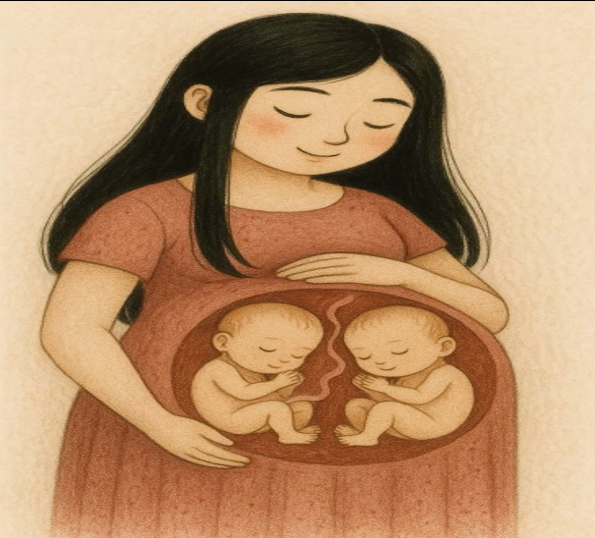
A multiple pregnancy occurs when a woman carries two or more fetuses simultaneously. These pregnancies can occur naturally or result from assisted reproductive technologies like IVF. While bringing immense joy, multiple pregnancies also come with higher risks compared to singleton pregnancies. Common concerns include:

  • Preterm birth, where babies are born before 37 weeks
  • Low birth weight, which may increase susceptibility to infections
  • Gestational diabetes and other metabolic complications
  • High blood pressure or pre-eclampsia
  • Delivery-related complications

Early monitoring and regular prenatal visits are crucial. With expert guidance, many of these risks can be managed effectively by specialists like Dr Shelly Singh.

Risks Associated with Multiple Pregnancies

1. Preterm Birth

Babies in multiple pregnancies are more likely to experience preterm birth, often requiring specialized neonatal care.

2. Low Birth Weight

Twins and triplets often have low birth weight, which can increase their risk of infections and developmental challenges.

3. Gestational Complications

Mothers carrying multiples have a higher chance of gestational diabetes, anemia, and high blood pressure, which can affect both mother and babies.

Essential Care Tips During Multiple Pregnancies

Multiple pregnancies: risks, care tips, and delivery planning

● Hydration and Rest: Staying hydrated and getting enough rest can prevent preterm labor.
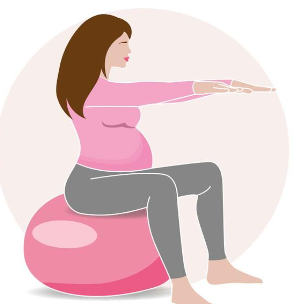
● Exercise & Physical Activity: Mild prenatal exercises approved by your doctor improve circulation and reduce stress

● Mental Health Support: Emotional well-being is equally important; counseling may be beneficial.

In Delhi NCR, Dr Shelly Singh provides customized advice, ensuring mothers-to-be receive expert care and guidance at every stage.

Preparing for a Healthy Future

Preventive measures and proactive monitoring are essential for long-term maternal and fetal health. Routine screenings for gestational diabetes, fetal growth, and maternal blood pressure can significantly reduce risks. Learning about nutrition, hygiene, and lifestyle adjustments helps ensure a healthier future for both mother and babies.

Multiple pregnancies: risks, care tips, and delivery planning

Delivery Planning for Multiple Pregnancies

Delivery planning is a critical part of managing multiple pregnancies. Factors influencing delivery decisions include:

  • Number of babies
  • Fetal positions
  • Maternal health and previous pregnancy history

While some twins may be delivered vaginally, Cesarean sections are often recommended for twins or higher-order multiples to reduce delivery complications. Careful planning ensures safety for both mother and babies. Dr Shelly Singh works closely with expectant mothers to design individualized delivery plans that prioritize maternal and fetal well-being.

FAQs About Multiple Pregnancies

Q1: What are the common risks of multiple pregnancies?

 Multiple pregnancies may lead to complications like preterm birth, low birth weight, gestational diabetes, or high blood pressure. Regular check-ups help manage these risks effectively.

Q2: Can complications be prevented?

 Not all risks can be avoided, but regular prenatal care, proper nutrition, and monitoring for gestational diabetes and low birth weight can significantly reduce complications.

Q3: Is vaginal delivery possible for twins?

 It depends on fetal positions, maternal health, and prior pregnancy history. Many twins require a Cesarean section for a safer delivery outcome.

Q4: How is delivery planned for twins or triplets?

 Delivery depends on the babies’ positions and overall health. While vaginal delivery is possible, many cases require an early or cesarean delivery in a hospital with NICU support.

Q5: When should prenatal visits start for multiple pregnancies?

 Early prenatal visits, ideally as soon as pregnancy is confirmed, are crucial for monitoring growth and preventing preterm birth and other complications..

CTA

Schedule a consultation with Dr Shelly Singh today to receive personalized care, expert guidance, and a safe delivery plan tailored to your needs. Your and your babies’ health deserve the best care available.

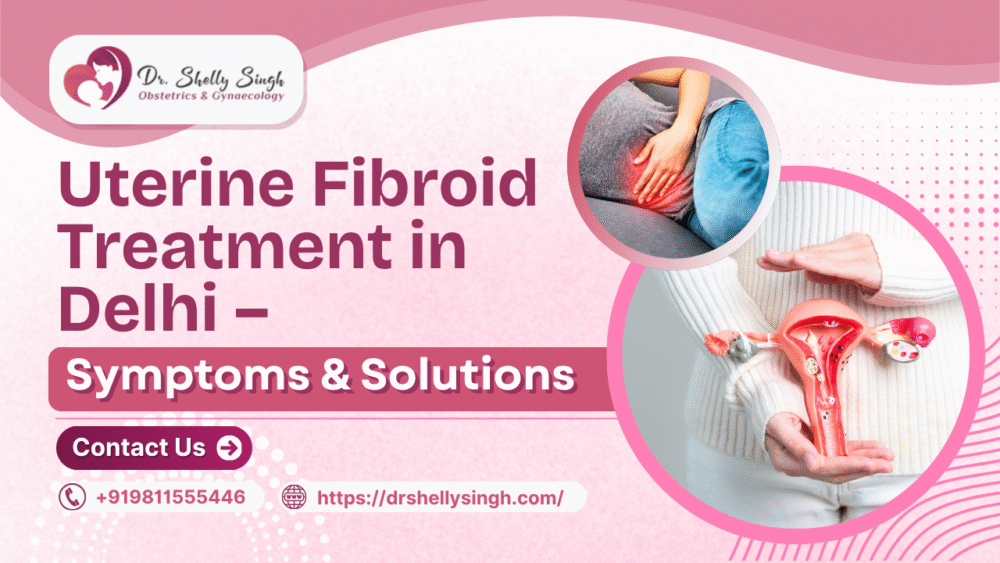
Uterine Fibroid Treatment in Delhi – Symptoms & Solutions

Uterine fibroids are one of the most common gynecological concerns affecting women in their reproductive years. These non-cancerous growths in the uterus can cause a wide range of symptoms, from heavy bleeding to pelvic pain, and even fertility challenges. If you are searching for uterine fibroid treatment in Delhi, understanding the symptoms, diagnosis, and advanced treatment options available is the first step toward relief and recovery.

Under the expert care of Dr. Shelly Singh, a leading gynecologist in Delhi NCR, women can find effective, personalized solutions for managing fibroids and improving overall reproductive health.

Symptoms of Uterine Fibroids

Many women may not realize they have fibroids until they cause noticeable discomfort. The common symptoms include:

  • Heavy menstrual bleeding (a leading cause of anemia)
  • Pelvic pressure or pain
  • Frequent urination or difficulty emptying the bladder
  • Backache or leg pain
  • Difficulty conceiving or maintaining pregnancy

If you have been wondering about heavy bleeding causes, fibroids are among the most common reasons.

Diagnosis of Uterine Fibroids

Dr. Shelly Singh uses advanced diagnostic tools to identify fibroids accurately. Common diagnostic methods include:

  • Pelvic ultrasound – to confirm the presence and size of fibroids
  • MRI scans – to map fibroid location in detail

Early diagnosis ensures timely intervention and prevents complications like infertility or chronic anemia.

Modern Fibroid Removal Options in Delhi

Thanks to medical advancements, women now have multiple fibroid removal options beyond conventional surgery. At Dr. Shelly Singh’s clinic in Delhi, treatment plans are tailored based on symptoms, size, and future pregnancy goals.

1. Medication Management

For small fibroids, medications help control symptoms like heavy bleeding and pain.

2. Minimally Invasive Surgery

Procedures like laparoscopic myomectomy allow removal of fibroids with tiny incisions, reducing recovery time.

3. Hysteroscopic Surgery

Ideal for fibroids inside the uterine cavity, this procedure is safe and highly effective.

4. Uterine Artery Embolization (UAE)

A modern, non-surgical method where blood supply to fibroids is blocked, causing them to shrink.

5. Advanced Hysterectomy (when necessary)

For severe cases where childbearing is not a concern, hysterectomy may be advised.

With her expertise, Dr. Shelly Singh ensures that every woman receives the most advanced and safest form of uterine fibroid treatment in Delhi.

Why Choose Dr. Shelly Singh for Fibroid Treatment in Delhi?

  • Expertise in minimally invasive fibroid removal options
  • Personalized treatment plans for women at different stages of life
  • Compassionate care focused on women’s reproductive health and wellbeing

If you are struggling with fibroids, Dr. Shelly Singh offers world-class expertise right here in Delhi.

Areas in Delhi Served

Women from South Delhi, East Delhi, West Delhi, North Delhi, and nearby NCR regions such as Gurgaon, Noida, and Ghaziabad trust Dr. Shelly Singh for advanced uterine fibroid treatment in Delhi.

FAQs on Uterine Fibroid Treatment in Delhi

Q1. What are the common causes of uterine fibroids?

 Fibroids often develop due to hormonal imbalances (estrogen and progesterone), family history, and lifestyle factors.

Q2. Can fibroids cause infertility?

 Yes, depending on their size and location, fibroids may interfere with conception or pregnancy. Timely treatment with a skilled gynecologist like Dr. Shelly Singh can improve outcomes.

Q3. Is surgery always required for fibroid treatment?

 Not always. Medication, non-surgical procedures, and minimally invasive surgeries are often effective alternatives.

Q4. How long does recovery take after fibroid surgery?

 Recovery varies by procedure. Minimally invasive surgeries allow most women to return to daily activities within 1–2 weeks.

Q5. Where can I find the best uterine fibroid treatment in Delhi?

 At the clinic of Dr. Shelly Singh, where advanced technology and compassionate care come together.

Take the Next Step

Don’t let fibroids control your life. If you’re experiencing heavy bleeding, pain, or fertility challenges, consult Dr. Shelly Singh, one of the most trusted names for uterine fibroid treatment in Delhi.

📞 Book your consultation today and reclaim your health with the best fibroid care in Delhi NCR.