White Discharge Problem: Causes, Symptoms & Best Treatment Options


White discharge, also known as vaginal discharge, is a common concern among women. Questions like “Is it normal to have white discharge every day?” or “Why do I have a lot of white discharge?” are frequently asked in clinical practice.
According to experienced gynecologists like Dr. Shelly Singh, most cases of white discharge are completely normal, but certain changes may require medical attention.
This guide explains everything about the white discharge problem, causes, and best treatment options in a medically accurate and easy-to-understand way.
White discharge is a natural fluid released from the vagina that helps maintain hygiene and protects against infections.
If you’re wondering, “What is the white discharge from females?” it mainly consists of
Yes, white discharge is normal in most women.
Many patients ask:
As per clinical experience, including insights shared by Dr. Shelly Singh, daily discharge is normal if there are no other symptoms.
Understanding “why white discharge happens” helps differentiate between normal and abnormal conditions.
If you’re searching “what causes white discharge” or “what is the reason for white discharge,” here are the key causes:
If you’re thinking, “Why do I have a lot of white discharge?” possible reasons include
While white discharge in females is common, you should consult a doctor if:
A common question is
“Is white discharge a sign of pregnancy?”
Yes, it can be an early sign due to hormonal changes.
Yes, white discharge during pregnancy is normal unless it is
If you’re looking for “how to control white discharge,” follow these expert tips:
For those searching “how to stop white discharge in females naturally”:
However, as emphasized by Dr. Shelly Singh, natural remedies should only be used for mild symptoms.
If symptoms persist, proper diagnosis is important.
According to Dr. Shelly Singh, an experienced gynecologist:
Consult a gynecologist if:
Early consultation helps prevent complications.
White discharge is a natural part of female health, but understanding why white discharge occurs is important.
If you’re still wondering:
If you are experiencing symptoms related to white discharge, it’s important to seek expert advice.
Dr. Shelly Singh offers personalized diagnosis and treatment for women’s health concerns.
C-30, Neeti Bagh, New Delhi-110049 9811555446

For many women, turning 40 brings noticeable changes in the body. One of the most common symptoms is hot flashes, sudden feelings of warmth that can cause sweating, flushing, and discomfort. These episodes often occur during perimenopause and menopause, when hormone levels begin to fluctuate.

Understanding hot flashes—why they happen, treatment, and prevention—is essential for managing symptoms effectively and maintaining overall well-being. Many healthcare professionals, including Dr. Shelly Singh, often emphasize that hot flashes are manageable with the right combination of lifestyle changes, medical guidance, and awareness.
This guide explores the best hot flash treatments for women over 40, including natural remedies, medical options, and preventive strategies.
Hot flashes are sudden sensations of intense heat that typically affect the face, neck, and chest. They may last anywhere from a few seconds to several minutes and are often accompanied by sweating, rapid heartbeat, or redness of the skin.
Women over 40 commonly experience these symptoms as the body transitions toward menopause. During this phase, fluctuating estrogen levels affect the brain’s temperature regulation system.
Health experts such as Dr. Shelly Singh often explain to patients that hot flashes are a natural response to hormonal changes rather than a medical emergency.
To understand hot flashes—why they happen, treatment, and prevention—it is important to look at the hormonal changes happening in the body.
Estrogen levels start declining during perimenopause. This hormonal shift affects the hypothalamus, the part of the brain responsible for regulating body temperature.
Stress, caffeine, spicy foods, and alcohol can trigger hot flashes in many women.
Certain medications and thyroid disorders may worsen symptoms.
Doctors like Dr. Shelly Singh often recommend identifying personal triggers as a first step toward managing symptoms effectively.
There are several effective approaches to managing hot flashes, ranging from natural remedies to medical treatments.
Small lifestyle adjustments can significantly reduce the frequency and intensity of hot flashes.
Helpful changes include:
Many healthcare professionals, including Dr. Shelly Singh, highlight lifestyle management as the foundation of hot flash treatment.
Natural solutions can help support hormonal balance and improve overall comfort.
Some commonly recommended options include:
These remedies can be helpful for women who prefer non-medical solutions when learning about hot
flashes: why they happen, treatment, and prevention

For women experiencing severe symptoms, doctors may recommend hormone therapy. This treatment helps restore declining estrogen levels and can significantly reduce hot flushes.
However, hormone therapy should only be considered after consulting a qualified medical professional. Experts like Dr. Shelly Singh usually evaluate a patient’s medical history before recommending this option.
Certain prescription medications can help reduce hot Flashes, including:
These treatments may be suitable for women who cannot take hormone therapy.
While it may not always be possible to completely avoid hot flashes, preventive measures can make a noticeable difference.
Excess body weight may increase the frequency of hot flashes.
Relaxation techniques like meditation, breathing exercises, and yoga help regulate body temperature.
Night sweats often disrupt sleep. Maintaining a cool sleeping environment can help.
Medical professionals such as Dr. Shelly Singh often remind patients that prevention plays an important role when addressing hot flashes: why they happen, treatment, and prevention.
If hot flashes become severe or begin interfering with daily life, it is important to seek medical advice. Persistent symptoms may indicate hormonal imbalances or other underlying conditions.
Consulting an experienced healthcare provider can help identify the best treatment plan tailored to your health needs.
Hot flashes are a common experience for many women over 40, but they do not have to control your life. With the right knowledge, lifestyle changes, and medical guidance, symptoms can be managed effectively.
Understanding Hot Flashes: Why They Happen, Treatment, and Prevention empowers women to take control of their health and make informed decisions. Healthcare experts like Dr. Shelly Singh often emphasize a balanced approach that combines lifestyle strategies with professional care when necessary.
If you are experiencing frequent hot flashes, speaking with a qualified doctor can help you find the most effective and comfortable solution.
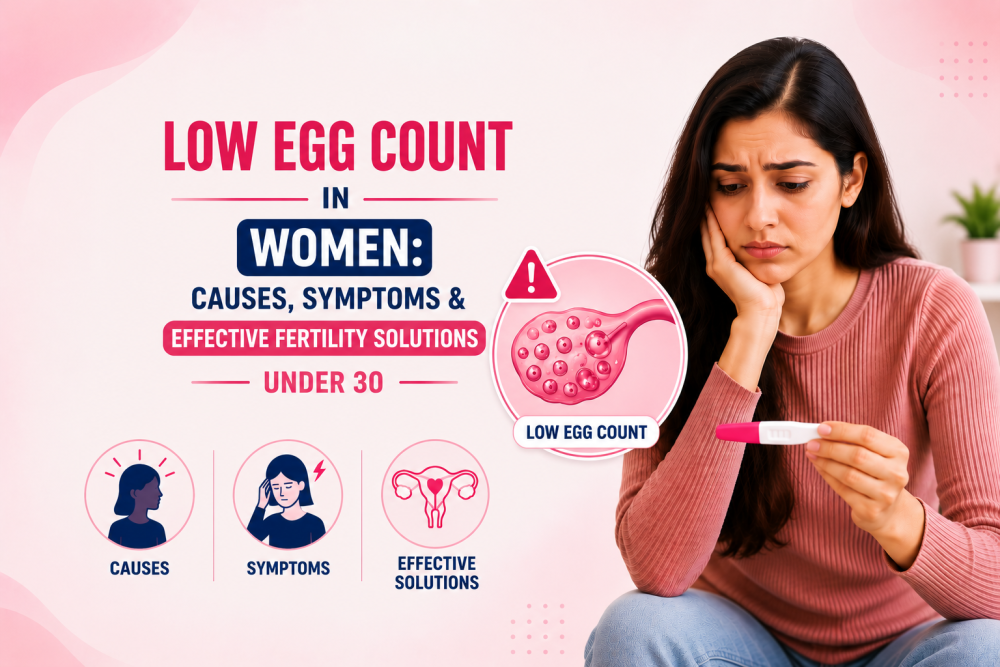
Many women believe fertility challenges only occur later in life. However, a growing number of women under 30 are being diagnosed with a low egg count, a condition that can affect their ability to conceive naturally. While age remains one of the most important factors influencing fertility, ovarian reserve can decline earlier than expected in some women due to genetic, medical, lifestyle, or environmental factors.
Understanding the causes, symptoms, and available treatment options can help women take timely action and improve their chances of achieving a healthy pregnancy.
Low egg count, also known as diminished ovarian reserve (DOR), refers to a lower-than-expected number of eggs remaining in a woman’s ovaries for her age.
Every woman is born with a finite number of eggs. Over time, this number naturally decreases. However, in some women, the decline occurs faster than expected, even during their 20s.
A low egg count does not necessarily mean pregnancy is impossible. However, it may reduce fertility potential and can sometimes require medical intervention to improve conception chances.
Although diminished ovarian reserve is more commonly associated with women over 35, fertility specialists are increasingly diagnosing younger women with reduced ovarian reserve.
Many women discover the condition only after experiencing:
Low egg count often develops silently without obvious symptoms. However, some women may experience:
Changes in cycle length or missed periods may indicate hormonal imbalances affecting ovarian function.
Inability to conceive after several months of trying may warrant fertility testing.
Women undergoing fertility treatments may produce fewer eggs than expected.
Some women may notice:
These symptoms can sometimes indicate declining ovarian function.
Several factors can contribute to diminished ovarian reserve at a young age.
Genetics significantly influence ovarian reserve. Women with a family history of:
may be at higher risk of developing low egg count earlier in life.
Conditions such as:
can sometimes cause the immune system to attack ovarian tissue, reducing ovarian reserve.
Endometriosis can damage ovarian tissue and affect egg quality and quantity, especially when ovarian cysts (endometriomas) are present.
Surgical procedures involving the ovaries may unintentionally remove healthy ovarian tissue, reducing egg reserve.
Chemotherapy and radiation therapy can significantly impact ovarian function and fertility.
Smoking accelerates egg loss and negatively affects reproductive health. Other contributing factors may include:
POI occurs when ovarian function declines before age 40 and can sometimes begin in the 20s.
A fertility specialist may recommend several tests to evaluate ovarian reserve.
AMH is considered one of the most reliable indicators of ovarian reserve. Lower AMH levels may suggest a reduced egg count.
A transvaginal ultrasound measures the number of small follicles present in the ovaries.
Elevated FSH levels may indicate declining ovarian function.
A complete fertility evaluation helps identify underlying causes and determine the most appropriate treatment plan.
Yes.
Many women with low egg count successfully conceive naturally or with fertility assistance. Egg quantity and egg quality are different factors. Younger women often have better egg quality, which can improve pregnancy outcomes despite a reduced ovarian reserve.
The key is timely diagnosis and appropriate fertility management.
Treatment depends on age, fertility goals, ovarian reserve levels, and overall reproductive health.
Healthy lifestyle habits may support reproductive health:
While lifestyle changes cannot increase egg count, they may help optimize egg quality and overall fertility.
Ovulation-inducing medications may help improve reproductive outcomes in selected patients.
Women who are not ready to conceive but wish to preserve fertility may consider egg freezing.
Benefits include:
IUI may be considered in specific cases where other fertility factors are favorable.
IVF is often recommended when ovarian reserve is significantly reduced.
Advantages include:
An experienced fertility specialist can determine whether IVF is the most suitable approach.
Women under 30 should consider consulting a fertility expert if they experience:
Early intervention often provides more treatment options and better fertility outcomes.
Fertility concerns can be emotionally overwhelming, especially for younger women who may not expect reproductive challenges at this stage of life.
Dr. Shelly Singh emphasizes a personalized, evidence-based approach to fertility care. Through advanced diagnostic testing, ovarian reserve assessment, fertility preservation strategies, and customized treatment plans, women can gain clarity about their reproductive health and make informed decisions about their future family goals.
Women can take proactive steps to safeguard fertility by:
Proactive fertility planning can significantly improve long-term reproductive outcomes.
A low egg count in women under 30 can be concerning, but it does not mean parenthood is out of reach. Advances in reproductive medicine have made it possible for many women with diminished ovarian reserve to conceive successfully.
Early diagnosis, expert fertility guidance, and individualized treatment planning are critical for achieving the best outcomes. If you are concerned about your fertility or have been diagnosed with a low egg count, consulting an experienced fertility specialist can help you understand your options and take the next step with confidence.
If you are under 30 and concerned about your ovarian reserve, fertility potential, or future family planning goals, schedule a consultation with Dr. Shelly Singh. Early fertility assessment can provide valuable insights and help you make informed reproductive decisions.
Take control of your fertility journey today with expert guidance and personalized care.
Yes. Although uncommon, some women experience diminished ovarian reserve in their 20s due to genetics, autoimmune conditions, endometriosis, medical treatments, or other factors.
Currently, there is no proven method to increase the number of eggs in the ovaries. However, fertility treatments can help maximize the chances of conception using the available eggs.
AMH levels vary by age and laboratory standards. A fertility specialist can accurately interpret your results and recommend appropriate next steps.
Yes. Many younger women with low ovarian reserve conceive naturally, particularly if egg quality remains good.
Not always. Treatment depends on individual circumstances, age, ovarian reserve, and overall fertility health. Some women conceive naturally or with less invasive treatments.
Egg freezing may be recommended for women who are not ready to conceive but want to preserve future fertility. A fertility specialist can assess whether it is an appropriate option.
Testing frequency depends on your fertility goals, age, and medical history. Your fertility specialist can advise on appropriate monitoring.
For many couples, starting a family is an exciting journey. While some conceive quickly,
others may find themselves trying month after month without success. If you have been
trying to conceive for more than one year without achieving pregnancy, it may be time to
seek professional guidance.
According to experts, including Dr. Shelly Singh, infertility is more common than many
people realize, and early evaluation can significantly improve the chances of successful conception. Understanding the potential causes and available treatment options is the first step toward building your family.
In this guide, we will discuss why conception may take longer than expected, when you should consult a fertility specialist, and the fertility treatments that may help.
Infertility is generally defined as the following:
While occasional delays in conception can be normal, prolonged difficulty may indicate an underlying fertility issue affecting either partner.
The good news is that many fertility challenges can be diagnosed and treated with modern
reproductive medicine.
Several factors can affect fertility. In many cases, infertility is not caused by a single issue but by a combination of factors.
Ovulation problems are among the most common causes of female infertility. Conditions that can affect ovulation include:
Irregular or absent menstrual cycles may indicate ovulation issues.
Female fertility naturally declines with age, particularly after 35 years. Egg quantity and quality decrease over time, making conception more challenging.
Men may also experience age-related fertility changes, although these are typically less pronounced.
The fallopian tubes play a critical role in fertilization. Damage or blockage due to infections, endometriosis, or previous surgeries can prevent sperm and egg from meeting.
Endometriosis occurs when tissue similar to the uterine lining grows outside the uterus. This condition can cause:
Early diagnosis can improve fertility outcomes.
Approximately 40–50% of infertility cases involve male fertility issues. Common causes include:
A semen analysis is often one of the first tests recommended during fertility evaluation.
Certain lifestyle habits may negatively affect fertility, including:
Improving overall health can positively impact reproductive outcomes.
While trying to conceive can be emotionally challenging, there are specific situations where seeking expert care is advisable.
Consider scheduling a fertility consultation if:
Early evaluation can help identify potential issues before they become more difficult to treat.
A comprehensive fertility assessment typically involves both partners.
Your specialist may recommend:
The evaluation may include:
The goal is to identify the root cause and create a personalized treatment plan.
Modern fertility care offers several solutions depending on the underlying cause.
Medications may help stimulate regular ovulation in women with ovulatory disorders.
IUI involves placing specially prepared sperm directly into the uterus during ovulation,
increasing the likelihood of fertilization.
IVF is one of the most effective fertility treatments available. The process involves:
1. Ovarian stimulation
2. Egg retrieval
3. Fertilization in a laboratory
4. Embryo transfer
IVF may be recommended for:
Depending on individual circumstances, additional options may include:
A fertility specialist can recommend the most suitable treatment based on your diagnosis.
While medical intervention may be necessary in some cases, healthy lifestyle choices can support reproductive health.
Both underweight and overweight individuals may experience fertility challenges.
Focus on:
Chronic stress may affect hormonal balance. Consider:
These habits can negatively impact both egg and sperm quality.
Understanding your fertile window can help optimize the timing of intercourse.
Many couples delay seeking help because they assume conception will happen eventually. However, fertility potential can change over time, especially as age increases.
Seeking expert guidance after one year of unsuccessful attempts can:
Timely intervention often leads to better outcomes and greater peace of mind.
With a patient-centered approach and evidence-based fertility care, Dr. Shelly Singh helps individuals and couples navigate fertility challenges with confidence. Every fertility journey is unique, and personalized evaluation is essential for identifying the most effective treatment strategy.
Whether you are experiencing unexplained infertility, ovulation issues, recurrent pregnancy loss, or age-related fertility concerns, professional guidance can make a significant difference in achieving your parenthood goals.
If you have been trying to conceive for more than one year without success, don’t ignore the signs. Fertility challenges are common, and many are treatable with the right diagnosis and care.
Schedule a consultation with Dr. Shelly Singh today to understand your fertility health, explore treatment options, and create a personalized plan to help you achieve your
dream of parenthood.
If you are under 35 and have been trying for over one year without success, it is
recommended to consult a fertility specialist for evaluation.
Women under 35 should seek help after one year of trying, while women aged 35 and above should consider evaluation after six months.
Yes. Many causes of infertility can be effectively treated through lifestyle modifications, medications, IUI, IVF, or other advanced fertility treatments.
Yes. Female fertility declines gradually with age, especially after 35, making early
assessment important.
Common tests include hormone analysis, ovarian reserve testing, ultrasound scans, fallopian tube assessment, and semen analysis.
Stress alone may not cause infertility, but chronic stress can affect hormonal balance and overall reproductive health.
Unexplained infertility is diagnosed when standard fertility tests do not identify a specific cause despite difficulty conceiving.
No. Depending on the diagnosis, treatment options may include fertility medications,
ovulation induction, IUI, IVF, or other advanced reproductive techniques.
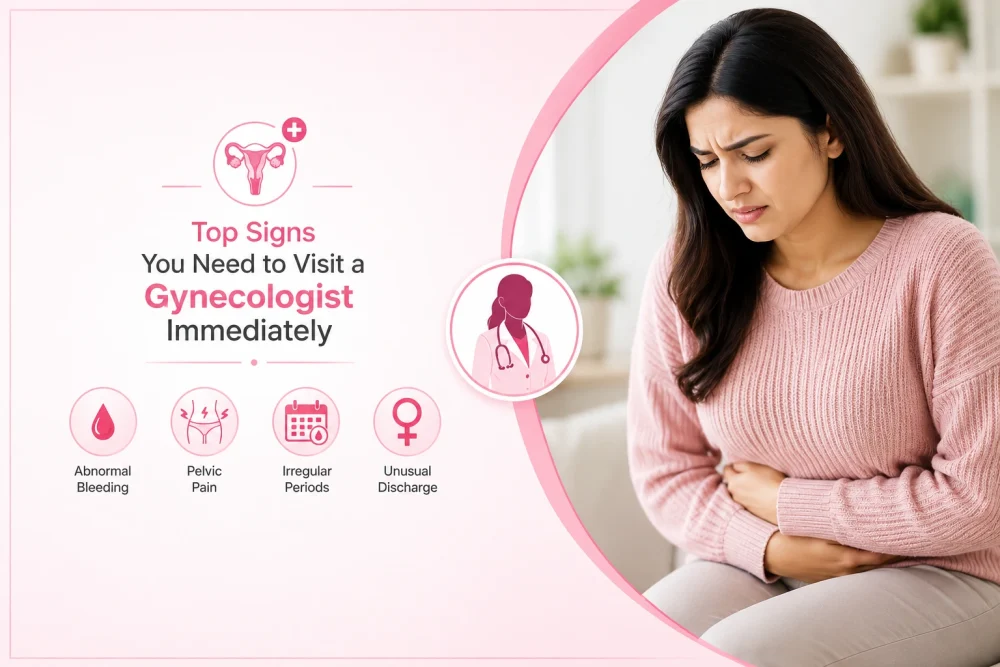
Women’s health concerns are often overlooked until symptoms become severe. While regular gynecological check-ups are essential for preventive care, certain warning signs should never be ignored. Recognizing these symptoms early and seeking timely medical attention can help prevent complications and improve treatment outcomes. According to experienced gynecologists such as Dr. Shelly Singh, many serious reproductive health conditions can be effectively managed when diagnosed at an early stage. Understanding when to seek immediate medical care is crucial for protecting your long-term health and well-being. In this guide, we discuss the top signs that indicate you should schedule an urgent appointment with a gynecologist.
Gynecological conditions can affect women of all ages. From hormonal imbalances and infections to reproductive disorders and gynecological cancers, early diagnosis plays a vital role in successful treatment.
Ignoring symptoms may lead to:
Seeking professional guidance at the right time can make a significant difference in your health outcomes.
One of the most important reasons to visit a gynecologist immediately is abnormal vaginal bleeding.
These symptoms may indicate conditions such as hormonal imbalances, uterine fibroids, polyps, endometriosis, or, in some cases, cervical or uterine cancer.
If you’re soaking through sanitary pads every hour or experiencing dizziness along with heavy bleeding, seek medical attention immediately.
Occasional menstrual cramps are common, but severe or persistent pelvic pain should never be ignored.
Sudden, intense pelvic pain can indicate a medical emergency and requires prompt evaluation by a gynecologist.
Changes in vaginal discharge can often signal infections or other gynecological concerns.
These symptoms may indicate bacterial vaginosis, yeast infections, sexually transmitted infections (STIs), or other reproductive health issues that require treatment.
Ongoing vaginal discomfort is not normal and should be evaluated by a specialist.
Pain during intercourse, also known as dyspareunia, can significantly affect quality of life and relationships.
If sexual activity consistently causes discomfort or pain, it’s important to consult a
gynecologist for evaluation.
While occasional menstrual irregularities can occur due to stress or lifestyle changes,
persistent irregular periods warrant medical attention.
Hormonal disorders such as PCOS (Polycystic Ovary Syndrome), thyroid issues, or
reproductive health conditions may be responsible.
Certain infections can spread quickly and cause serious complications if left untreated.
Early treatment can prevent infections from affecting the reproductive organs and fertility.
Although breast health is often associated with specialists, gynecologists frequently help
identify early signs of breast conditions.
Early evaluation is essential for ruling out serious conditions, including breast cancer.
If you have been trying to conceive for:
You should seek evaluation from a gynecologist.
Early fertility assessment can identify potential reproductive issues and improve treatment
success rates.
Pregnancy requires specialized care, and certain symptoms should never be ignored.
Prompt intervention can help protect both mother and baby.
Women with the following factors should be particularly vigilant:
Regular screenings and timely consultations can significantly reduce health risks.
You should consider an immediate consultation if you experience:
Early diagnosis often leads to more effective treatment and better long-term health outcomes.
Receiving care from an experienced gynecologist ensures:
Patients seeking comprehensive women’s healthcare often rely on trusted specialists such as Dr. Shelly Singh for expert guidance and individualized care.
If you are experiencing any of the symptoms discussed above, do not delay seeking medical advice. Early intervention can help prevent complications and ensure optimal reproductive and overall health.
Schedule a consultation with an experienced gynecologist to receive a thorough evaluation,
expert diagnosis, and personalized treatment plan tailored to your needs.
Heavy vaginal bleeding, severe pelvic pain, abnormal discharge, persistent itching, painful intercourse, and pregnancy-related complications should be evaluated as soon as possible.
Yes. Persistent irregular periods may indicate hormonal imbalances, PCOS, thyroid disorders, or other reproductive health conditions.
You should consult a gynecologist if discharge has a strong odor, unusual color, causes
irritation, or is accompanied by pain or fever.
Yes. Pelvic pain may be associated with ovarian cysts, endometriosis, pelvic inflammatory disease, ectopic pregnancy, or other serious conditions.
Most women should schedule a gynecological examination annually, although frequency may vary depending on age, medical history, and specific health concerns.
Women under 35 should seek evaluation after one year of unsuccessful attempts to conceive, while women over 35 should consult a specialist after six months.
No. Any postmenopausal bleeding should be evaluated promptly, as it may indicate an underlying medical condition requiring treatment.
Yes. Gynecologists often perform breast examinations and can evaluate symptoms such as lumps, pain, or nipple discharge
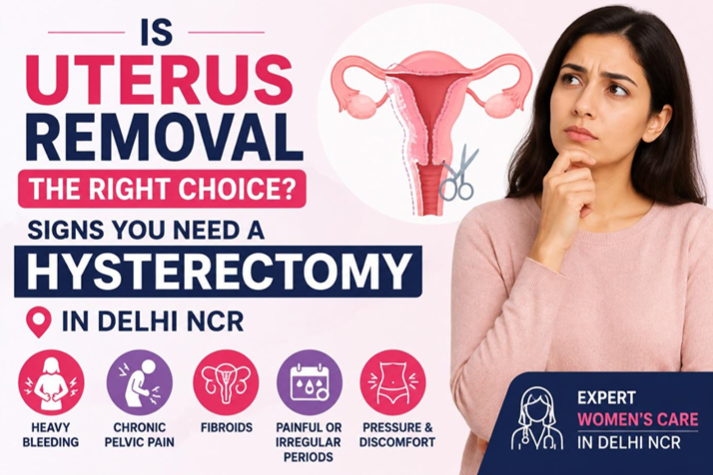
Women’s health concerns can significantly impact daily life, emotional well-being, and overall quality of life. While many gynecological conditions can be managed through medication and minimally invasive treatments, some situations may require a hysterectomy, commonly known as uterus removal surgery.
If you have been experiencing persistent pelvic pain, heavy menstrual bleeding, or other reproductive health issues, you may be wondering whether a hysterectomy is the right option for you. Understanding the signs, benefits, risks, and available treatment options can help you make an informed decision.
This comprehensive guide shares expert insights on when a hysterectomy may be recommended and what women in Delhi NCR should know before considering the procedure.
A hysterectomy is a surgical procedure performed to remove the uterus. Depending on the patient’s condition, the surgery may also involve the removal of the cervix, ovaries, or fallopian tubes.
Once the uterus is removed:
• Menstrual periods
permanently stop.
• Pregnancy is no longer possible.
• Certain gynecological symptoms may be significantly reduced or eliminated.
Hysterectomy is typically recommended only when other treatment options have been unsuccessful or when surgery offers the most effective solution for a serious medical condition.
Several gynecological conditions can lead a specialist to recommend uterus removal surgery.
1. Heavy and Uncontrolled Menstrual Bleeding
Excessive menstrual bleeding that affects daily activities, causes anemia, or does not respond to medication may indicate an underlying condition requiring surgical intervention.
Women who frequently experience:
• Prolonged periods
• Large blood clots
• Severe fatigue due to blood loss
• Frequent need for iron supplements should seek medical evaluation.
2. Large or Symptomatic Uterine Fibroids
Fibroids are non-cancerous growths that develop within the uterus. While many fibroids do not require treatment, larger fibroids can cause:
• Pelvic pressure
• Heavy bleeding
• Frequent urination
• Lower back pain
• Difficulty with daily activities
In cases where fibroids continue growing or significantly affect quality of life, a hysterectomy may be considered.
3. Chronic Pelvic Pain
Persistent pelvic pain can interfere with work, relationships, sleep, and emotional health.
When chronic pelvic pain is linked to uterine conditions and does not improve with conservative treatment, hysterectomy may offer long-term relief.
4. Severe Endometriosis
Endometriosis occurs when tissue similar to the uterine lining grows outside the uterus.
Symptoms often include:
• Severe menstrual cramps
• Pain during intercourse
• Pelvic pain
• Fertility challenges
For women with advanced endometriosis who have not responded to medication or other surgical treatments, hysterectomy may be recommended.
5. Adenomyosis
Adenomyosis develops when the inner lining of the uterus grows into the muscular wall of the uterus.
Common symptoms include:
• Heavy periods
• Severe menstrual pain
• Pelvic pressure
• Enlarged uterus
When symptoms become debilitating and other treatments fail, hysterectomy is often considered the most definitive solution.
6. Uterine, Cervical, or Ovarian Cancer
In many gynecologic cancer cases, hysterectomy plays a crucial role in treatment.
A specialist may recommend surgery to remove cancerous tissue and prevent disease progression. Early diagnosis and timely treatment can significantly improve outcomes.
7. Uterine Prolapse
Uterine prolapse occurs when weakened pelvic floor muscles allow the uterus to descend into the vaginal canal.
Women may experience:
• A feeling of heaviness in the pelvis
• Difficulty urinating
• Vaginal bulging
• Discomfort during daily activities
Severe prolapse may require surgical correction, including hysterectomy.
You should not ignore the following symptoms:
• Heavy menstrual bleeding lasting longer than usual
• Severe pelvic pain
• Persistent abdominal pressure
• Pain during intercourse
• Unexplained fatigue
• Frequent urinary issues
• Bleeding between periods
• Postmenopausal bleeding
Prompt evaluation can help identify the root cause and determine the most appropriate treatment plan.
No. A hysterectomy is not always the first treatment option.
Depending on your diagnosis, a gynecologist may recommend:
• Hormonal therapy
• Medication
• Endometrial ablation
• Fibroid removal surgery (myomectomy)
• Laparoscopic procedures
• Lifestyle modifications
The best treatment approach depends on factors such as age, overall health, symptom severity, future pregnancy plans, and underlying medical conditions.
An experienced gynecologist will carefully evaluate all available options before recommending surgery.
Total Hysterectomy
Removal of the uterus and cervix.
Partial Hysterectomy
Removal of the uterus while preserving the cervix.
Radical Hysterectomy
Removal of the uterus, cervix, surrounding tissues, and sometimes parts of the vagina, often performed for cancer treatment.
Minimally Invasive Hysterectomy
Modern techniques such as laparoscopic and robotic-assisted surgery may offer:
• Smaller incisions
• Reduced pain
• Faster recovery
• Shorter hospital stays
• Lower risk of complications
Recovery time depends on the surgical approach used.
Most patients can expect:
• Temporary fatigue during the healing process
• Activity restrictions for several weeks
• Follow-up visits with their gynecologist
• Gradual return to normal daily activities
Following post-operative instructions is essential for a smooth recovery and optimal longterm results.
For women with severe gynecological conditions, hysterectomy can provide:
• Permanent relief from heavy bleeding
• Elimination of uterine fibroid symptoms
• Reduced pelvic pain
• Improved quality of life
• Relief from chronic reproductive health issues
• Effective treatment for certain cancers
When performed for appropriate medical reasons, hysterectomy can be a life-changing procedure that restores comfort and confidence.
Choosing the right gynecologist is one of the most important decisions when considering hysterectomy surgery. An experienced specialist can help determine whether uterus removal is truly necessary and guide patients through every stage of diagnosis, treatment, surgery, and recovery.
Dr. Shelly Singh is recognized for her patient-centered approach to women’s healthcare, offering comprehensive evaluation and personalized treatment plans for conditions such as fibroids, endometriosis, adenomyosis, abnormal uterine bleeding, and other gynecological concerns. Every patient receives individualized care based on her unique medical needs and long-term health goals.
A hysterectomy can be an effective treatment for women suffering from severe gynecological conditions that significantly impact their quality of life. However, the decision should always be based on a thorough medical evaluation and a clear understanding of all available treatment options.
If you are experiencing persistent pelvic pain, heavy bleeding, fibroids, endometriosis, or other reproductive health concerns, consulting an experienced gynecologist can help you determine the most appropriate path forward.
For women seeking expert gynecological care in Delhi NCR, Dr. Shelly Singh provides comprehensive assessments and personalized treatment recommendations designed to support long-term women’s health and well-being.
Book a consultation today to discuss your symptoms, explore treatment options, and take the next step toward better reproductive health.
Yes. Most women return to their regular activities and experience significant improvement in symptoms after recovery.
Not necessarily. Menopause depends on whether the ovaries are removed during surgery.
Hysterectomy is generally considered safe when performed by an experienced gynecological surgeon and after proper medical evaluation.
Recovery varies depending on the surgical technique used but generally ranges from a few weeks to a couple of months.
Yes. Depending on the condition, medication, hormonal therapy, myomectomy, and minimally invasive procedures may be suitable alternatives.

Pregnancy is one of the most beautiful phases in a woman’s life, but it also comes with physical and emotional changes. One of the most common early pregnancy symptoms is morning sickness. Despite its name, morning sickness can occur at any time of the day and may affect daily activities, appetite, and energy levels.
According to gynecologists, mild to moderate nausea and vomiting during pregnancy are very common, especially during the first trimester. Dr. Shelly Singh, an experienced gynecologist, believes that understanding the causes and following the right remedies can help pregnant women manage symptoms more comfortably and confidently.
In this guide, we will explore the causes of morning sickness, effective home remedies, medical treatments, and expert tips for relief.
Morning sickness refers to nausea and vomiting experienced during pregnancy, usually starting around the 6th week and improving by the second trimester. It is believed to be linked to hormonal changes, especially rising levels of human chorionic gonadotropin (hCG) and estrogen.
While many women experience mild nausea, some may have more severe symptoms that require medical attention.
Symptoms can vary from one pregnancy to another and may include:
In most cases, symptoms are temporary and manageable with lifestyle adjustments and proper care.
Although the exact cause is not fully understood, several factors may contribute to morning sickness:
Rapid increases in pregnancy hormones can affect the digestive system and trigger nausea.
Pregnant women often become more sensitive to odors, tastes, and certain foods.
Emotional stress and lack of rest may worsen symptoms.
Going too long without eating can increase feelings of nausea.
Pregnancy slows digestion, which may contribute to stomach discomfort.
Managing morning sickness often involves simple lifestyle and dietary changes. Here are some expert-recommended remedies:
Instead of three large meals, try eating smaller meals throughout the day. An empty stomach can worsen nausea.
Best options include:
Vomiting can lead to dehydration. Sip fluids regularly throughout the day.
Helpful drinks include:
Avoid drinking large amounts of water at once, as it may increase nausea.
Ginger is one of the most researched natural remedies for pregnancy nausea.
You can consume ginger through the following:
Many gynecologists recommend ginger in moderate amounts for symptom relief.
Strong smells, oily foods, spicy meals, and caffeine may worsen symptoms.
Common triggers include:
Identifying and avoiding personal triggers can significantly help.
Fatigue can intensify morning sickness. Adequate sleep and short rest breaks during the day may improve symptoms. Stress management techniques such as meditation and deep breathing can also help.
Vitamin B6 is often recommended by gynecologists to reduce nausea during pregnancy. Apart from Vitamin B 6 for nausea of pregnancy, safe medications are also available to reduce the same. However, supplements should only be taken after consulting a qualified doctor.
Some pregnant women find relief using wristbands designed for motion sickness. These apply pressure to specific points believed to reduce nausea.
A balanced pregnancy diet can make a significant difference.
While mild morning sickness is common, severe symptoms should never be ignored.
Consult a gynecologist if you experience:
Severe morning sickness may indicate hyperemesis gravidarum, a condition requiring medical treatment. Dr. Shelly Singh emphasizes the importance of early medical guidance to ensure both maternal and fetal health during pregnancy.
Here are some practical daily tips that may help:
Consistency with these habits often provides noticeable relief.
Pregnancy symptoms can sometimes feel overwhelming, especially for first-time mothers. It is important to remember that every pregnancy is unique. Seeking support from family members and maintaining regular prenatal checkups can help reduce stress and improve confidence throughout the pregnancy journey.
Morning sickness is a common part of pregnancy, but it does not have to disrupt your daily life completely. With proper nutrition, hydration, rest, and medical guidance, most women can manage symptoms effectively. Dr. Shelly Singh, a trusted gynecologist, recommends personalized care and timely consultation to ensure a safe and healthy pregnancy experience. If symptoms become severe or persistent, professional medical advice should always be sought. Taking care of your body and listening to its needs during pregnancy is essential for both mother and baby.
Morning sickness usually improves after the first trimester, around 12–14 weeks of pregnancy.
Morning sickness usually improves after the first trimester, around 12–14 weeks of pregnancy.
Can morning sickness happen at night?
Bland and easy-to-digest foods such as crackers, bananas, rice, and toast are often recommended.
Only take medications or supplements after consulting a qualified gynecologist.

Women’s bodies go through many hormonal changes throughout life. Sometimes these changes can lead to common gynecological conditions such as ovarian cysts. Many women develop ovarian cysts at some point in their lives, and in most cases they are harmless. However, certain ovarian cyst symptoms should not be ignored because they may indicate that medical evaluation is needed.
Recognizing early symptoms can help women seek timely care and avoid complications. In this article, Dr. Shelly Singh, a gynecologist with more than 20 years of experience in women’s health, explains the 7 warning signs of ovarian cysts every woman should know.

Ovarian cysts are fluid-filled sacs that develop on or inside the ovaries. The ovaries are an important part of the female reproductive system. They produce hormones such as estrogen and progesterone and release eggs during the menstrual cycle.
Many ovarian cysts develop naturally during the menstrual cycle and are known as functional cysts.
These cysts usually disappear on their own within a few weeks or months. However, some cysts may grow larger, cause symptoms, or require treatment.
Understanding ovarian cyst symptoms in women can help detect the condition early and prevent complications.
Pelvic Pain
Pelvic pain is one of the most common ovarian cyst symptoms. The pain is usually felt in the lower abdomen on one side of the body. Some women describe the pain as a dull ache, while others may experience sharp or sudden pain. The discomfort may become worse during physical activity, menstrual periods, or prolonged sitting. Persistent pelvic pain as an ovarian cyst symptom should not be ignored, especially if the pain continues for several days or becomes more intense over time.
Another common sign of ovarian cysts is bloating or a feeling of heaviness in the abdomen. Women may notice that their stomach feels swollen or tight even when they have not eaten much.
This happens because a growing cyst can create pressure in the lower abdomen. If bloating continues for several days or occurs frequently, it may indicate that the cyst is increasing in size.
Changes in the menstrual cycle may also be related to ovarian cysts. Hormonal imbalance caused by cysts can affect the normal pattern of periods.
Women may experience delayed periods, heavy bleeding, painful menstruation, or irregular cycles. Some women may also notice spotting between periods.
If these menstrual changes occur regularly, it is important to consult a gynecologist for proper evaluation.
Some women with ovarian cysts may feel pain during sexual intercourse. This pain is usually felt deep in the pelvic region.
The discomfort may occur because the cyst presses against nearby tissues. Pain during intimacy can affect both physical comfort and emotional well-being, so it should be discussed with a doctor if it happens frequently.
Large ovarian cysts can press against the bladder. This pressure may cause the need to urinate more often than usual.
Women may also feel pressure in the lower abdomen or experience difficulty fully emptying the bladder. These symptoms occur because the cyst occupies space in the pelvic area.
Certain types of ovarian cysts can affect ovulation, and women may experience difficulty getting pregnant.
Large or persistent ovarian cysts may interfere with the normal release of eggs from the ovary. However, many women can still conceive successfully with proper medical care.
Sudden and intense pain in the lower abdomen can be a serious warning sign. This may occur if an ovarian cyst ruptures or if the ovary twists around the cyst.
Other symptoms may include nausea, vomiting, dizziness, or fever. If such symptoms occur suddenly, immediate medical attention is necessary.
Ovarian cysts can develop due to several factors. The most common cause is hormonal changes during the menstrual cycle.
Other possible causes include conditions such as endometriosis, pregnancy, or pelvic infections. In some cases, certain hormonal disorders can increase the risk of developing cysts.
Understanding the underlying cause helps doctors determine the most suitable ovarian cyst treatment in Delhi.
Diagnosis usually begins with a medical consultation and physical examination. A gynecologist may perform a pelvic examination to check for swelling or abnormalities.
An ultrasound scan is the most common test used to identify ovarian cysts. It helps doctors determine the size, location, and type of cyst.
In some situations, additional tests such as blood tests may be recommended to rule out other conditions.
Early diagnosis is important because it allows doctors to monitor the cyst and recommend appropriate treatment if needed.
Treatment for ovarian cysts depends on factors such as the size of the cyst, the symptoms, and the patient’s age.
In many cases, small cysts disappear naturally within a few menstrual cycles. Doctors may recommend regular monitoring through follow-up ultrasounds.
Medications may sometimes be used to regulate hormones and prevent new cysts from forming. If a cyst becomes large, persistent, or painful, minimally invasive surgery may be recommended to remove it safely.
Seeking early medical advice can help determine the most effective ovarian cyst treatment in Delhi.
Women should consult a gynecologist if they experience persistent pelvic pain, irregular periods, frequent bloating, or difficulty getting pregnant.
Sudden severe abdominal pain, nausea, or dizziness should never be ignored and requires immediate medical attention.
Regular gynecological checkups are important for maintaining reproductive health and detecting conditions like ovarian cysts early.
If you are experiencing ovarian cyst symptoms such as pelvic pain, irregular periods, or abdominal bloating, it is important to seek expert medical guidance.
Dr. Shelly Singh, a gynecologist with over 20 years of experience, provides comprehensive care for women with ovarian cysts and other gynecological conditions.
Early diagnosis and timely treatment can help manage symptoms effectively and protect your reproductive health.
Book an appointment or call Dr. Shelly Singh today for expert consultation and personalized care.

Vaginal infections are one of the most common women’s health concerns affecting females of all age groups. While many infections are mild, ignoring symptoms can lead to discomfort and long-term complications. Maintaining proper hygiene, understanding early warning signs, and consulting an experienced gynecologist in Delhi can ensure timely diagnosis and effective treatment.
Dr. Shelly Singh, a trusted women’s health specialist in Delhi, provides personalized care and advanced treatment options for vaginal infections to help women regain comfort and confidence.
Understanding the causes helps in prevention and long-term management
• Caused by an imbalance in
natural vaginal bacteria
• Symptoms include abnormal
discharge, odor, and irritation
• Occurs due to overgrowth of
Candida fungus
• Causes itching, burning sensation, and thick white discharge

• Includes Chlamydia, Gonorrhea, and Trichomoniasis
• May lead to vaginal pain, discharge, and serious health risks if untreated
• Pregnancy, menopause, and menstruation can affect vaginal pH
• Reduced immunity increases infection risk
• Harsh soaps, perfumed products, and tight clothing
• Excess moisture and poor hygiene habits
Early recognition leads to faster recovery. Watch for:
• Abnormal vaginal discharge (white, gray, yellow, or greenish)
• Strong or unpleasant odor
• Vaginal itching or irritation
• Burning sensation during urination
• Pain during sexual activity
If you experience any of these symptoms, consult a gynecologist in Delhi immediately for proper diagnosis.

Treatment depends on infection type
and severity.
Antifungal Medications
Used for yeast infections in the form
of creams, gels, or oral tablets.
Prescribed for bacterial infections and certain STIs by a qualified doctor
• Maintain intimate hygiene
• Wear breathable cotton underwear
• Avoid scented products and harsh soaps
Routine screening at a women’s health clinic in Delhi helps prevent recurrence and detect infections early.
Dr. Shelly Singh offers customized treatment plans designed according to each patient’s health condition and medical history.
• Maintain proper intimate hygiene
• Use mild, fragrance-free products
• Wear loose and breathable cotton underwear
• Practice safe sexual habits and regular STI testing
• Avoid douching or excessive washing
• Schedule regular gynecological consultations
• Extensive experience in women’s healthcare
• Advanced diagnostic and treatment methods
• Confidential, compassionate patient care
• Personalized treatment plans
• Focus on prevention and long-term wellness
Vaginal infections are common but manageable with early diagnosis and proper medical care. Understanding symptoms, maintaining hygiene, and consulting an experienced gynecologist in Delhi NCR can help prevent complications and ensure faster recovery. If you are experiencing discomfort or unusual symptoms, consult Dr. Shelly Singh for expert guidance and safe treatment options. Early care leads to better health, comfort, and confidence.
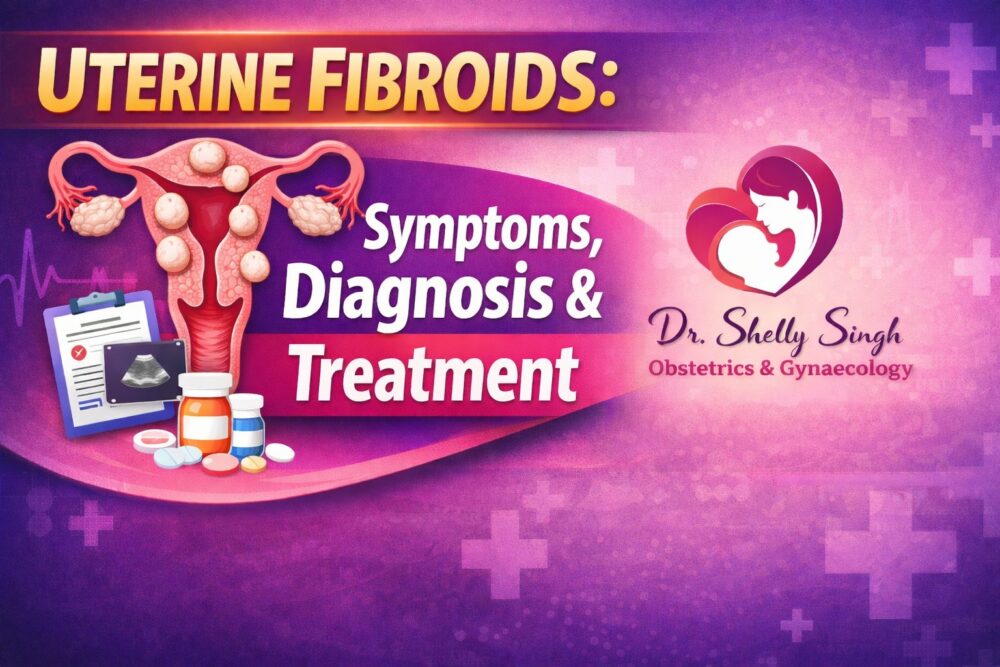
Uterine fibroids are one of the most common gynecological conditions affecting women, especially during their reproductive years. While many fibroids are harmless and asymptomatic, some can cause significant discomfort and interfere with daily life. Early
diagnosis and the right treatment approach can help manage symptoms effectively and
prevent complications. Dr Shelly Singh, a leading gynecologist, offers comprehensive and personalized care for women dealing with uterine fibroids in Delhi and nearby areas.
Uterine fibroids, also known as leiomyomas, are non-cancerous growths that develop in or around the uterus. They vary in size, number, and location. Some women may have a single fibroid, while others may develop multiple fibroids at the same time. Although fibroids are not life-threatening, they can significantly impact a woman’s quality of life if left untreated.
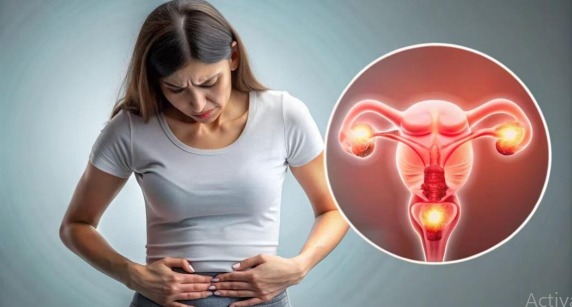
Many women with uterine fibroids experience no symptoms at all. However, when symptoms do appear, they can range from mild to severe. Common signs include:
• Heavy or prolonged menstrual bleeding
• Pelvic pain or pressure
• Lower back pain
• Frequent urination
• Constipation
• Pain during intercourse
• Abdominal bloating or swelling
• Difficulty conceiving or pregnancy complications
If these symptoms persist, consulting a gynecologist is important for timely diagnosis and treatment.
The exact cause of uterine fibroids is not fully understood, but several factors may increase the risk, including:
• Hormonal imbalance (estrogen and
progesterone)
• Family history of fibroids
• Early onset of menstruation
• Obesity
• Lifestyle factors and stress
A detailed evaluation helps determine the best management plan based on individual risk factors.
Accurate diagnosis is essential to decide the most appropriate treatment approach. Dr Shelly Singh follows a thorough diagnostic process, which may include:
1. Pelvic Examination
A routine gynecological exam may reveal irregularities in the shape or size of the uterus.
2. Ultrasound
A pelvic or transvaginal ultrasound is the most common and reliable method to confirm the presence, size, and location of fibroids.
3. Advanced Imaging (If Required)
In certain cases, MRI or other imaging tests may be recommended for detailed evaluation. Early diagnosis allows for better symptom control and prevents unnecessary complications.
Treatment for uterine fibroids depends on factors such as symptom severity, fibroid size, age, and future pregnancy plans. Dr Shelly Singh offers personalized treatment plans tailored to each patient’s needs.
1. Medication Management
For mild symptoms, medications may help control heavy bleeding and pain. These treatments focus on symptom relief rather than removing fibroids.
2. Hormonal Therapy
Hormonal treatments may be advised to regulate menstrual cycles and reduce fibroid-related symptoms.
3. Minimally Invasive Procedures
In selected cases, minimally invasive procedures can effectively manage fibroids while
preserving the uterus.
4. Surgical Treatment
Surgery may be recommended for large or multiple fibroids causing severe symptoms.
Surgical options are discussed carefully, keeping fertility and long-term health in mind.
While many women with fibroids conceive naturally, certain fibroids can interfere with
fertility or pregnancy. Depending on their location and size, fibroids may affect implantation or increase pregnancy-related risks. Women planning pregnancy should consult a gynecologist early to understand how fibroids may impact reproductive health and explore suitable treatment options.
Medical treatment works best when supported by healthy lifestyle choices. Some helpful measures include:
• Maintaining a healthy weight
• Eating a balanced, nutrient-rich diet
• Regular physical activity
• Managing stress through relaxation techniques
• Avoiding excessive caffeine and processed foods
These steps may help reduce symptom severity and improve overall well-being
You should seek medical advice if you experience:
• Excessive or irregular menstrual bleeding
• Persistent pelvic pain or pressure
• Difficulty getting pregnant
• Rapid increase in abdominal size
Early consultation ensures timely treatment and better outcomes.
Dr. Shelly Singh is a trusted gynecologist known for her patient-centric approach and clinical expertise. She provides comprehensive care for uterine fibroids, focusing on accurate diagnosis, safe treatment options, and long-term health. Women from South Delhi, Greater Kailash, Lajpat Nagar, Defence Colony, Hauz Khas, and nearby areas rely on her for compassionate and advanced gynecological care.
Uterine fibroids can be effectively managed with the right medical guidance. If you are
experiencing symptoms or have concerns about fibroids, a timely consultation can make all the difference. Book an appointment with Dr Shelly Singh today for expert evaluation and personalized treatment for uterine fibroids.
12+ Consultations booked today.

Expert care for Pregnancy, PCOS, and Women's Health.

Help us personalize your experience.
Select the area of consultation.
Select your priority.
Enter details for priority assistance.