Date Archives April 2026

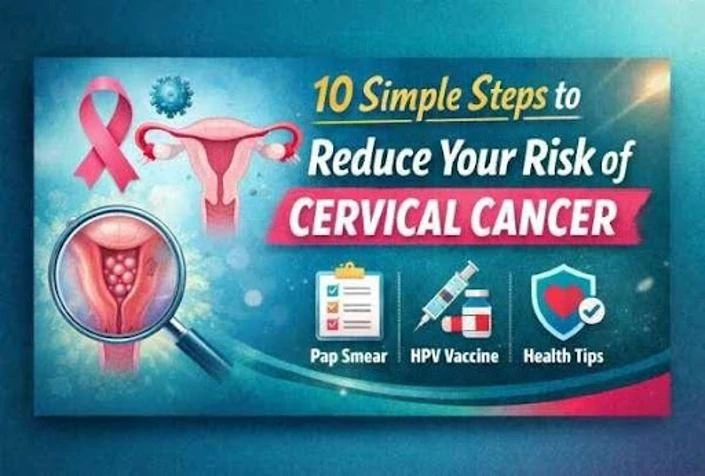
10 Simple Steps to Reduce Your Risk of Cervical Cancer

10 Simple Steps to Reduce Your Risk of Cervical Cancer

Cervical cancer is one of the most preventable types of cancer—yet many women are still diagnosed at advanced stages due to a lack of awareness and screening. With the right preventive care and timely medical guidance, you can significantly reduce your risk.

In clinical practice, experienced gynecologists like Dr. Shelly Singh emphasize that

prevention, early detection, and lifestyle choices play a crucial role in safeguarding women’s health.

Let’s explore 10 simple yet highly effective steps you can take today.

1. Get Regular Pap Smear Tests

A Pap smear is one of the most powerful tools for early detection of cervical cancer.

  • Detects abnormal cells before they turn cancerous
  • Recommended every 3–5 years (depending on age and history)

Booking a pap smear test with a qualified gynecologist is one of the most important preventive steps.

2. Consider HPV Vaccination

The Human Papillomavirus (HPV) is the leading cause of cervical cancer.

◉ HPV vaccines protect against high-risk strains

Ideal for women and girls before exposure, but beneficial even later

Consulting a doctor about HPV vaccination clinics can be a life-saving decision.

3. Schedule Regular Gynecologist Visits

Routine checkups help monitor reproductive health and detect early warning signs.

◉ Annual visits are recommended

Helps track changes and symptoms early

Many women benefit from comprehensive women’s health checkup packages offered by clinics.

4. Practice Safe Sexual Health

HPV spreads through sexual contact, so safe practices are essential.

Use protection

Limit multiple partners

Maintain open communication with your partner

Preventive awareness is a key focus in modern gynecological care

5. Quit Smoking

Smoking weakens the immune system and increases cervical cancer risk.

Reduces your body’s ability to fight HPV

Increases the likelihood of abnormal cell changes

Quitting smoking is a major step toward overall and reproductive health.

6. Maintain a Healthy Immune System

A strong immune system helps your body fight infections like HPV.

Eat a balanced diet rich in fruits and vegetables

Exercise regularly

Manage stress

Preventive healthcare is not just clinical—it’s lifestyle-driven.

7. Be Aware of Early Symptoms

Cervical cancer often shows minimal symptoms early on, but watch for the following:

Unusual vaginal bleeding

Pelvic pain

Pain during intercourse

If you notice these signs, consult a cervical cancer specialist doctor immediately.

8. Follow Up on Abnormal Test Results

If your Pap smear shows abnormal results:

Don’t panic

Follow your doctor’s advice for further tests like colposcopy

Timely follow-up can prevent progression to cancer.

9. Maintain Proper Hygiene

Good intimate hygiene reduces infection risks.

Avoid harsh chemicals

Maintain cleanliness

Choose breathable clothing

Small daily habits can contribute significantly to long-term health.

10. Educate Yourself and Others

Awareness is one of the strongest tools in prevention.

Encourage regular screening among family and friends

Stay updated with medical guidelines

Healthcare professionals like Dr. Shelly Singh consistently advocate patient education as a cornerstone of prevention.

Why Expert Guidance Matters

Preventing cervical cancer isn’t just about individual steps—it’s about having the righ medical guidance.

Experienced gynecologists, including professionals like Dr. Shelly Singh, emphasize:

Personalized screening schedules

Evidence-based prevention strategies

Patient-centric care

Choosing the best gynecologist for cervical cancer prevention ensures you receive an accurate diagnosis, timely intervention, and long-term support.

Conclusion

Cervical cancer is largely preventable with proactive care, awareness, and regular medical checkups. By following these 10 simple steps, you can take control of your health and significantly reduce your risk.

If you haven’t scheduled your screening yet, now is the right time to book a cervical cancer screening appointment and prioritize your well-being.

Looking for the best gynecologist in Delhi NCR? Contact Dr. Shelly Singh today!!!
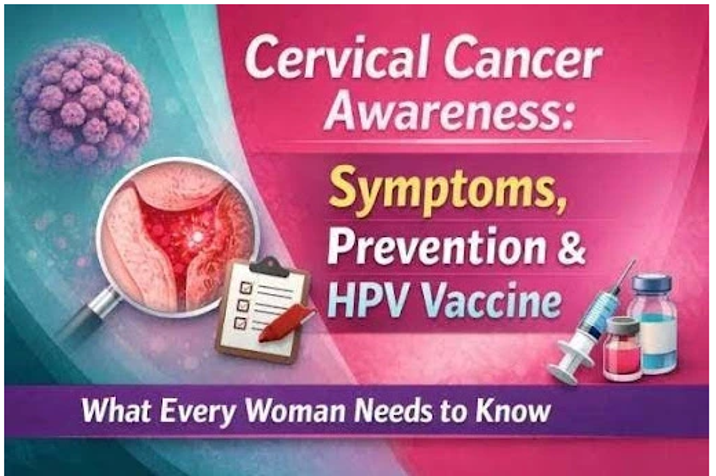
Cervical Cancer Awareness: Symptoms, Prevention, HPV Vaccine

Cervical Cancer Awareness: What Every Woman Needs to Know

Introduction

Cervical cancer remains one of the most preventable yet commonly diagnosed cancers among women. Despite medical advancements, many cases are detected late due to lack of awareness and irregular screening.

With timely check-ups, HPV vaccination, and early intervention, cervical cancer can often be prevented or treated successfully. In this guide, Dr. Shelly Singh explains everything you need to know to protect your health.

What is cervical cancer?

Cervical cancer develops in the cervix, the lower part of the uterus that connects to the vagina. It usually occurs due to persistent infection with high-risk types of Human Papillomavirus (HPV).

The disease often develops slowly, which is why regular screening plays a crucial role in early detection.

Symptoms of Cervical Cancer

In its early stages, cervical cancer may not show noticeable symptoms. As it progresses, some warning signs may include:

Unusual vaginal bleeding (between periods, after intercourse, or post-menopause)

Persistent pelvic pain

Pain during intercourse

Abnormal vaginal discharge

If you experience any of these symptoms, it is important to seek medical evaluation promptly.

Causes and Risk Factors

The primary cause of cervical cancer is long-term infection with HPV. Other contributing factors include:

Early onset of sexual activity

Multiple sexual partners

Smoking

Weak immune system

Lack of regular cervical screening

Understanding these risks can help in taking preventive steps.

Prevention of Cervical Cancer

1. HPV Vaccination

The HPV vaccine is one of the most effective ways to prevent cervical cancer. It protects against the most common high-risk virus types responsible for the disease.

It is recommended for adolescents and young adults but can also benefit older individuals after medical consultation.

2. Regular Screening (Pap Smear & HPV Test) 

Routine screening helps detect precancerous changes before they develop into cancer.

  • Pap smear identifies abnormal cervical cells
  • HPV test detects high-risk virus strains

Women should begin screening from the age of 21 and continue at regular intervals as advised by their doctor.

3. Lifestyle Modifications

Simple lifestyle changes can also reduce risk:

  • Avoid smoking
  • Practice safe sexual habits
  • Maintain overall immune health

Importance of Early Detection

Cervical cancer is highly treatable when diagnosed early. Regular screening allows doctors to identify and manage abnormal changes before they become serious.

Delaying check-ups increases the risk of advanced-stage diagnosis, which can require more intensive treatment.

Why Consult Dr. Shelly Singh

  • Expertise in women’s health and preventive care
  • Focus on early diagnosis and personalized treatment plans
  • Patient-centered approach with clear guidance
  • Access to reliable screening and diagnostic support

Frequently Asked Questions

Is cervical cancer preventable?

Yes, with HPV vaccination and regular screening, the risk can be significantly reduced.

When should I start screening?

Screening is generally recommended from age 21 onwards.

Is the HPV vaccine safe?

Yes, it is clinically proven to be safe and effective.

Take Charge of Your Health Today

Early detection can make a critical difference. Regular screening and timely vaccination are key steps toward prevention.

Book your cervical cancer screening with Dr. Shelly Singh today.

Pregnancy After 30: Risks, Benefits & Healthy Tips by a Gynecologist

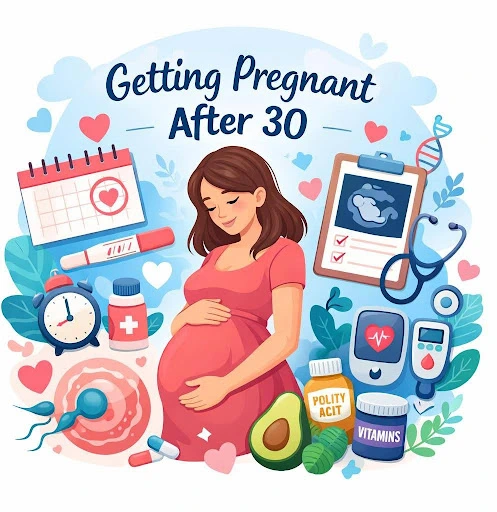
Getting Pregnant After 30: Risks, Benefits & Healthy Tips by a Gynecologist

In recent years, more women are choosing to start their families later in life. Career goals, financial stability, and personal priorities often lead women to consider getting pregnant after 30. While fertility naturally changes with age, many women in their 30s and even late 30s have healthy pregnancies and babies.

Understanding fertility, potential risks, and the right lifestyle habits can significantly improve the chances of pregnancy after 30. With proper medical guidance and preparation, pregnancy after 30 can be safe and successful.

This guide explains fertility changes, the best age for pregnancy, possible risks, and expert tips to help women plan a healthy pregnancy.

Why Many Women Choose Pregnancy After 30

Getting Pregnant After 30

The average age of first-time mothers has increased worldwide. Many women delay pregnancy because of:

  • career development and financial planning
  • finding the right partner
  • personal life goals
  • better healthcare awareness

With advances in medical care and fertility treatments, getting pregnant after 30 has become much more common than in previous generations.

However, understanding how fertility changes with age helps women make informed decisions.

What Is the Best Age to Get Pregnant?

Medically, the best age to get pregnant is considered between the early 20s and early 30s. During this period:

  • egg quality is highest
  • ovulation occurs regularly
  • pregnancy risks are lower

However, many women conceive successfully after 30. The key factor is maintaining reproductive health and seeking medical guidance when planning pregnancy.

For women with hormonal conditions like PCOS, understanding the best age to get pregnant with PCOS and managing symptoms early can improve fertility outcomes.

Fertility Changes After 30

Female fertility gradually declines with age because women are born with a limited number of eggs. After 30, the quantity and quality of eggs slowly decrease.

Important fertility changes include:

  • reduced egg quality
  • irregular ovulation in some women
  • hormonal fluctuations
  • slightly longer time to conceive

Despite these changes, many women in their early 30s conceive naturally without difficulty. Maintaining a healthy lifestyle and tracking ovulation can improve the chances of pregnancy.

Chances of Pregnancy After 30

Many couples worry about the chances of pregnancy after 30. The good news is that most healthy women in their early 30s can still conceive naturally.

General fertility statistics show that:

  • women aged 30–34 have about a 15–20% chance of pregnancy per cycle
  • fertility declines gradually after 35
  • medical support can help improve conception rates

While fertility decreases slightly with age, it does not mean pregnancy is impossible.

Understanding which time is best for pregnancy during the menstrual cycle can significantly increase the chances of conception.

Which Time Is Best for Pregnancy?

The fertile window is the best time to conceive during a menstrual cycle. This usually occurs:

  • about 12–14 days before the next period
  • during ovulation
  • 3–5 days before ovulation

Having intercourse during the fertile window increases the chances of pregnancy significantly. Tracking ovulation through:

  • ovulation predictor kits
  • menstrual cycle apps
  • basal body temperature

can help couples identify the most fertile days.

Tips for Getting Pregnant Between 30–35

Women planning pregnancy in their 30s can improve fertility with healthy lifestyle habits. Here are some effective tips for getting pregnant between 30–35:

Maintain a Healthy Weight

Both underweight and overweight women may experience hormonal imbalances that affect ovulation.

Eat a Balanced Diet

A nutrient-rich diet including fruits, vegetables, whole grains, and protein supports reproductive health.

Take Prenatal Vitamins

Folic acid and other prenatal supplements support healthy fetal development and reduce birth defect risks.

Exercise Regularly

Moderate exercise improves overall health and hormonal balance.

Reduce Stress

High stress levels may affect ovulation and fertility.

Avoid Smoking and Alcohol

Smoking and excessive alcohol consumption can reduce fertility.

These lifestyle adjustments can significantly improve the chances of pregnancy.

Signs You Can’t Get Pregnant

Some women may experience fertility challenges. Recognizing early infertility symptoms

helps seek medical care sooner.

Common signs you can’t get pregnant include:

  • irregular or absent menstrual cycles
  • severe pelvic pain during periods
  • hormonal disorders like PCOS
  • history of pelvic infections
  • difficulty conceiving after one year of trying

Women over 30 who have been trying to conceive for more than 6–12 months should consult a gynecologist for fertility evaluation.

Pregnancy Risks After 35

While many women have healthy pregnancies in their late 30s, some risks increase with age. Possible complications include:

  • gestational diabetes
  • high blood pressure during pregnancy
  • increased risk of miscarriage
  • chromosomal abnormalities
  • preterm birth

Regular prenatal care and medical monitoring can significantly reduce these risks.

Benefits of Getting Pregnant After 30

Despite common concerns, there are also advantages to having children later in life. Benefits may include:

  • greater emotional maturity
  • better financial stability
  • healthier lifestyle choices
  • stronger support systems

Women who plan pregnancy carefully often have positive pregnancy experiences.

When to See a Gynecologist

Women planning pregnancy after 30 should consider consulting a gynecologist for

preconception counseling. A doctor may recommend:

  • fertility testing
  • hormonal evaluation
  • ovulation tracking
  • lifestyle changes
  • treatment for PCOS or hormonal disorders

Early medical guidance can improve fertility and help ensure a safe pregnancy journey.

About Dr. Shelly Singh

Dr. Shelly Singh is an experienced gynecologist specializing in pregnancy care, fertility management, and women’s health. With over 20 years of clinical experience, she has helped many women successfully plan and achieve healthy pregnancies.

Her approach focuses on personalized care, early diagnosis of fertility issues, and comprehensive reproductive health support.

Conclusion

Getting pregnant after 30 is increasingly common and often safe with proper care and planning. While fertility changes gradually with age, many women in their 30s conceive naturally and have healthy pregnancies.

Understanding fertility, recognizing early infertility symptoms, and maintaining a healthy lifestyle can significantly improve the chances of pregnancy.

Women who are planning pregnancy or experiencing difficulty conceiving should seek guidance from an experienced gynecologist for personalized advice and treatment.

FAQs

Is it difficult to get pregnant after 30?

Fertility declines gradually after 30, but many women conceive naturally. Healthy lifestyle habits and proper medical guidance can improve the chances of pregnancy.

Can I get pregnant 30 days after my period?

Pregnancy depends on ovulation timing. Women with longer menstrual cycles may ovulate later, making pregnancy possible even several weeks after the last period.

Can women get pregnant with PCOD after 30?

Yes. Many women with PCOS or PCOD conceive successfully with proper treatment, lifestyle changes, and medical support.

Is there any problem getting pregnant after 30?

Most women have healthy pregnancies after 30, but some risks slightly increase with age. Regular prenatal care helps manage these risks.

What are the chances of getting pregnant after 30?

Healthy women in their early 30s generally have a 15–20% chance of pregnancy per menstrual cycle.

Call-to-Action

If you are planning getting pregnant after 30 or experiencing difficulty conceiving, expert guidance can make a significant difference. Early fertility evaluation and personalized care can help improve the chances of a healthy pregnancy.

Schedule a consultation with Dr. Shelly Singh to receive expert advice on fertility planning, pregnancy care, and women’s reproductive health.