What to Expect During Your First Pregnancy Trimester
The first-trimester pregnancy phase is one of the most crucial stages in a woman’s journey to motherhood. Whether you searched for “first trimester of pregnancy,” “1st trimester pregnancy symptoms,” or “pregnancy trimesters,” understanding this phase helps ensure a healthy pregnancy for both mother and baby.
In this guide, we’ll cover everything—from symptoms and body changes to warning signs and expert care tips—so you know exactly what to expect.
What is the First Trimester of Pregnancy?
The first trimester of pregnancy lasts from week 1 to week 12. During this time, your baby develops rapidly, and your body undergoes significant hormonal changes.
Pregnancy is divided into three stages:
- First trimester pregnancy (0–12 weeks)
- Second trimester of pregnancy (13–26 weeks)
- Third trimester pregnancy (27–40 weeks)
1st Trimester Pregnancy Symptoms
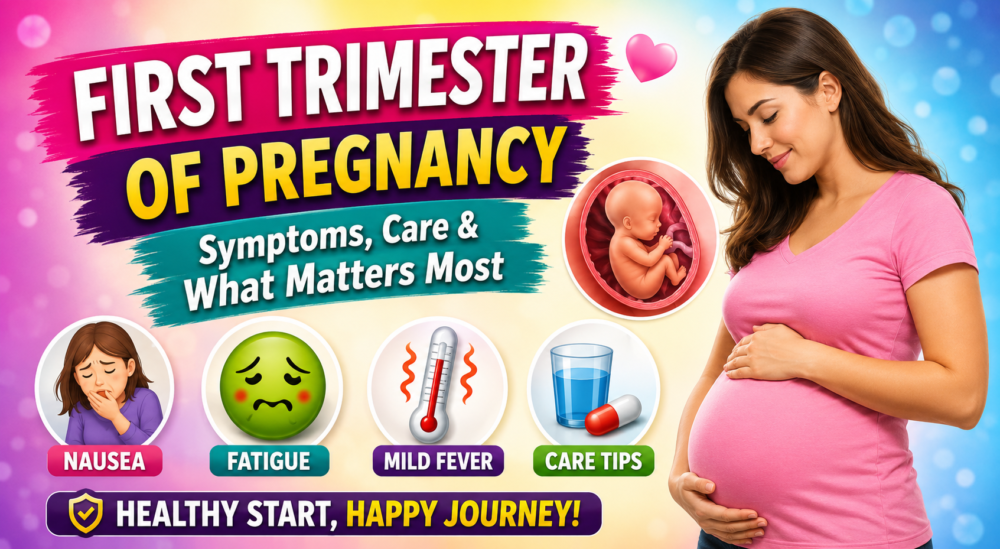
Many women experience early signs that confirm pregnancy. The most common first- trimester pregnancy symptoms include the following:
- Morning sickness (nausea and vomiting)
- Fatigue and weakness
- Breast tenderness
- Frequent urination
- Mood swings
- Mild cramping
These are also referred to as 1st trimester pregnancy symptoms, and they vary from woman to woman.
Signs Your Pregnancy is Going Well in the First Trimester
Many women worry if everything is progressing normally. Here are signs your pregnancy is going well in the first trimester:
- Hormonal fluctuations increase
- The uterus starts expanding
- Blood volume rises
- The digestive system slows down
You may also experience leg pain in the first trimester of pregnancy, which is usually due to hormonal and circulation changes.
Common Health Concerns in Early Pregnancy
1. White Discharge During Pregnancy
Vaginal discharge is common in all stages:
- White discharge during pregnancy in the first trimester – Normal if odorless and milky
Consult a doctor if the discharge has a foul smell or unusual color.
2. Headaches in Pregnancy
Headaches in the first trimester of pregnancy are more common, but some women may experience them early due to hormonal changes and dehydration.
3. COVID and Pregnancy
Concerns like COVID-19 and the second trimester highlight the importance of immunity and regular medical supervision throughout pregnancy.
Lifestyle Tips for a Healthy First Trimester
To ensure a smooth first trimester of pregnancy, follow these tips:
Diet and Nutrition
- Eat folic acid-rich foods
- Stay hydrated
- Avoid raw or processed foods
Physical Activity
- Light walking
- Prenatal yoga (doctor-approved)
Medical Care
- Regular checkups
- Early ultrasound scans
Can You Have Sex During the First Trimester of Pregnancy?
A common question is about sex in the first trimester of pregnancy.
Yes, it is generally safe if:
- There are no complications
- Your doctor has not advised otherwise
Avoid if: - You have bleeding issues
- High-risk pregnancy
Emotional Changes in First Trimester Pregnancy
Hormonal changes can affect your mood. It is normal to feel the following:
- Anxious
- Emotional
- Overwhelmed
Support from family and doctors is essential during this phase.
When to See a Doctor Immediately
Seek medical help if you experience:
- Heavy bleeding
- Severe abdominal pain
- High fever
- Unusual discharge
Severe vomiting and inability to keep any food or water down with dehydration (Hyperemesis gravidarum)
Expert Care for a Healthy Pregnancy
The first trimester of pregnancy sets the foundation for your baby’s development. Regular monitoring, proper nutrition, and timely medical consultation are key to avoiding complications.
Book Your Consultation Today
If you are experiencing symptoms like the following:
- White discharge during pregnancy
- Severe nausea
- Leg pain or headaches
- Any unusual discomfort
Do not ignore early signs.