
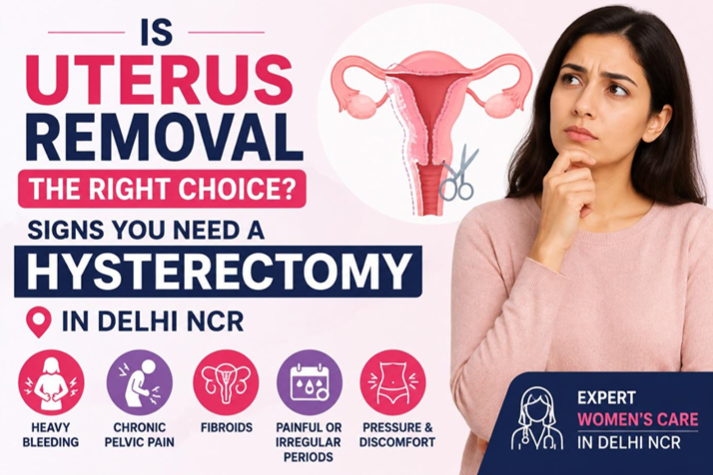
Is Uterus Removal the Right Choice? Signs You Need a Hysterectomy in Delhi NCR
Women’s health concerns can significantly impact daily life, emotional well-being, and overall quality of life. While many gynecological conditions can be managed through medication and minimally invasive treatments, some situations may require a hysterectomy, commonly known as uterus removal surgery.
If you have been experiencing persistent pelvic pain, heavy menstrual bleeding, or other reproductive health issues, you may be wondering whether a hysterectomy is the right option for you. Understanding the signs, benefits, risks, and available treatment options can help you make an informed decision.
This comprehensive guide shares expert insights on when a hysterectomy may be recommended and what women in Delhi NCR should know before considering the procedure.
What Is a Hysterectomy?
A hysterectomy is a surgical procedure performed to remove the uterus. Depending on the patient’s condition, the surgery may also involve the removal of the cervix, ovaries, or fallopian tubes.
Once the uterus is removed:
• Menstrual periods
permanently stop.
• Pregnancy is no longer possible.
• Certain gynecological symptoms may be significantly reduced or eliminated.
Hysterectomy is typically recommended only when other treatment options have been unsuccessful or when surgery offers the most effective solution for a serious medical condition.
Common Reasons a Hysterectomy May Be Recommended
Several gynecological conditions can lead a specialist to recommend uterus removal surgery.
1. Heavy and Uncontrolled Menstrual Bleeding
Excessive menstrual bleeding that affects daily activities, causes anemia, or does not respond to medication may indicate an underlying condition requiring surgical intervention.
Women who frequently experience:
• Prolonged periods
• Large blood clots
• Severe fatigue due to blood loss
• Frequent need for iron supplements should seek medical evaluation.
2. Large or Symptomatic Uterine Fibroids
Fibroids are non-cancerous growths that develop within the uterus. While many fibroids do not require treatment, larger fibroids can cause:
• Pelvic pressure
• Heavy bleeding
• Frequent urination
• Lower back pain
• Difficulty with daily activities
In cases where fibroids continue growing or significantly affect quality of life, a hysterectomy may be considered.
3. Chronic Pelvic Pain
Persistent pelvic pain can interfere with work, relationships, sleep, and emotional health.
When chronic pelvic pain is linked to uterine conditions and does not improve with conservative treatment, hysterectomy may offer long-term relief.
4. Severe Endometriosis
Endometriosis occurs when tissue similar to the uterine lining grows outside the uterus.
Symptoms often include:
• Severe menstrual cramps
• Pain during intercourse
• Pelvic pain
• Fertility challenges
For women with advanced endometriosis who have not responded to medication or other surgical treatments, hysterectomy may be recommended.
5. Adenomyosis
Adenomyosis develops when the inner lining of the uterus grows into the muscular wall of the uterus.
Common symptoms include:
• Heavy periods
• Severe menstrual pain
• Pelvic pressure
• Enlarged uterus
When symptoms become debilitating and other treatments fail, hysterectomy is often considered the most definitive solution.
6. Uterine, Cervical, or Ovarian Cancer
In many gynecologic cancer cases, hysterectomy plays a crucial role in treatment.
A specialist may recommend surgery to remove cancerous tissue and prevent disease progression. Early diagnosis and timely treatment can significantly improve outcomes.
7. Uterine Prolapse
Uterine prolapse occurs when weakened pelvic floor muscles allow the uterus to descend into the vaginal canal.
Women may experience:
• A feeling of heaviness in the pelvis
• Difficulty urinating
• Vaginal bulging
• Discomfort during daily activities
Severe prolapse may require surgical correction, including hysterectomy.
Signs You Should Consult a Gynecologist Immediately
You should not ignore the following symptoms:
• Heavy menstrual bleeding lasting longer than usual
• Severe pelvic pain
• Persistent abdominal pressure
• Pain during intercourse
• Unexplained fatigue
• Frequent urinary issues
• Bleeding between periods
• Postmenopausal bleeding
Prompt evaluation can help identify the root cause and determine the most appropriate treatment plan.
Is a Hysterectomy Always Necessary?
No. A hysterectomy is not always the first treatment option.
Depending on your diagnosis, a gynecologist may recommend:
• Hormonal therapy
• Medication
• Endometrial ablation
• Fibroid removal surgery (myomectomy)
• Laparoscopic procedures
• Lifestyle modifications
The best treatment approach depends on factors such as age, overall health, symptom severity, future pregnancy plans, and underlying medical conditions.
An experienced gynecologist will carefully evaluate all available options before recommending surgery.
Types of Hysterectomy Procedures
Total Hysterectomy
Removal of the uterus and cervix.
Partial Hysterectomy
Removal of the uterus while preserving the cervix.
Radical Hysterectomy
Removal of the uterus, cervix, surrounding tissues, and sometimes parts of the vagina, often performed for cancer treatment.
Minimally Invasive Hysterectomy
Modern techniques such as laparoscopic and robotic-assisted surgery may offer:
• Smaller incisions
• Reduced pain
• Faster recovery
• Shorter hospital stays
• Lower risk of complications
Recovery After Hysterectomy
Recovery time depends on the surgical approach used.
Most patients can expect:
• Temporary fatigue during the healing process
• Activity restrictions for several weeks
• Follow-up visits with their gynecologist
• Gradual return to normal daily activities
Following post-operative instructions is essential for a smooth recovery and optimal longterm results.
Benefits of Hysterectomy
For women with severe gynecological conditions, hysterectomy can provide:
• Permanent relief from heavy bleeding
• Elimination of uterine fibroid symptoms
• Reduced pelvic pain
• Improved quality of life
• Relief from chronic reproductive health issues
• Effective treatment for certain cancers
When performed for appropriate medical reasons, hysterectomy can be a life-changing procedure that restores comfort and confidence.
Expert Women's Health Care in Delhi NCR
Choosing the right gynecologist is one of the most important decisions when considering hysterectomy surgery. An experienced specialist can help determine whether uterus removal is truly necessary and guide patients through every stage of diagnosis, treatment, surgery, and recovery.
Dr. Shelly Singh is recognized for her patient-centered approach to women’s healthcare, offering comprehensive evaluation and personalized treatment plans for conditions such as fibroids, endometriosis, adenomyosis, abnormal uterine bleeding, and other gynecological concerns. Every patient receives individualized care based on her unique medical needs and long-term health goals.
Conclusion
A hysterectomy can be an effective treatment for women suffering from severe gynecological conditions that significantly impact their quality of life. However, the decision should always be based on a thorough medical evaluation and a clear understanding of all available treatment options.
If you are experiencing persistent pelvic pain, heavy bleeding, fibroids, endometriosis, or other reproductive health concerns, consulting an experienced gynecologist can help you determine the most appropriate path forward.
For women seeking expert gynecological care in Delhi NCR, Dr. Shelly Singh provides comprehensive assessments and personalized treatment recommendations designed to support long-term women’s health and well-being.
Book a consultation today to discuss your symptoms, explore treatment options, and take the next step toward better reproductive health.
Frequently Asked Questions (FAQs)
Yes. Most women return to their regular activities and experience significant improvement in symptoms after recovery.
Not necessarily. Menopause depends on whether the ovaries are removed during surgery.
Hysterectomy is generally considered safe when performed by an experienced gynecological surgeon and after proper medical evaluation.
Recovery varies depending on the surgical technique used but generally ranges from a few weeks to a couple of months.
Yes. Depending on the condition, medication, hormonal therapy, myomectomy, and minimally invasive procedures may be suitable alternatives.