Category Hysteroscopic

Hysteroscopy Aftercare: 10 Essential Tips for a Faster and Safer Recovery

Hysteroscopy is a minimally invasive gynecological procedure used to diagnose and treat conditions affecting the uterus. Whether performed for abnormal uterine bleeding, fibroids, polyps, infertility evaluation, or other gynecological concerns, proper aftercare plays a crucial role in ensuring a smooth and complication-free recovery.

While most women return to their normal routine within a few days, following the right post-procedure guidelines can help minimize discomfort, reduce the risk of infection, and promote faster healing.

In this comprehensive guide, Dr. Shelly Singh shares essential hysteroscopy aftercare tips to help patients recover safely and confidently.

Understanding Recovery After Hysteroscopy

Recovery time after hysteroscopy varies depending on whether the procedure was diagnostic or operative. Diagnostic hysteroscopy generally involves a shorter recovery period, while operative hysteroscopy may require additional healing time.

Common symptoms during the first few days may include:

  • Mild cramping
  • Light vaginal bleeding or spotting
  • Fatigue
  • Mild pelvic discomfort
  • Temporary bloating

These symptoms are usually normal and improve gradually.

10 Essential Hysteroscopy Aftercare Tips

1. Prioritize Rest During the First 24 Hours

Your body needs time to recover after the procedure, especially if anesthesia or sedation was used.

What You Should Do:

  • Take the day off from work.
  • Avoid strenuous activities.
  • Get adequate sleep.
  • Allow your body to heal naturally.

Most patients feel significantly better within 24–48 hours.

2. Manage Mild Pain and Cramping Properly

Mild uterine cramping is common after hysteroscopy.

Helpful Tips:

  • Use medications prescribed by your gynecologist.
  • Apply a warm heating pad to the lower abdomen.
  • Stay hydrated to reduce discomfort.

If pain becomes severe or worsens over time, seek medical attention immediately.

3. Expect Light Bleeding but Monitor It

Spotting or light vaginal bleeding may continue for several days.

Normal Signs:

  • Light pink or brown discharge
  • Mild spotting
  • Small blood clots occasionally

Contact Your Doctor If:

  • Bleeding becomes heavy
  • You soak a sanitary pad every hour
  • Large clots are passed repeatedly

Monitoring bleeding helps identify potential complications early.

4. Avoid Using Tampons

Following hysteroscopy, the cervix may remain slightly open for a short period, increasing the risk of infection.

Instead:

  • Use sanitary pads rather than tampons.
  • Change pads regularly.
  • Maintain good intimate hygiene.

Most gynecologists recommend avoiding tampons for at least one to two weeks or until advised otherwise.

5. Refrain from Sexual Intercourse Temporarily

The uterus and cervix need adequate time to heal after the procedure.

General Recommendation:

Avoid sexual intercourse for:

  • 1–2 weeks after diagnostic hysteroscopy
  • Longer if operative treatment was performed

Always follow your doctor’s personalized advice regarding resuming sexual activity.

6. Stay Hydrated and Eat Nutritious Foods

Proper nutrition can accelerate healing and support overall recovery.

Focus on:

  • Fresh fruits and vegetables
  • Protein-rich foods
  • Whole grains
  • Iron-rich foods if bleeding occurred

Drink:

  • Plenty of water
  • Coconut water
  • Clear fluids

Good nutrition helps restore energy and supports tissue repair.

7. Avoid Heavy Lifting and Intense Exercise

Although hysteroscopy is minimally invasive, overexertion can increase bleeding and discomfort.

Avoid:

  • Heavy gym workouts
  • Running
  • Weight lifting
  • High-impact activities

Light walking is usually encouraged as it promotes circulation and reduces the risk of blood clots.

8. Watch for Signs of Infection

While complications are uncommon, infection remains a possibility after any uterine procedure.

Warning Signs Include:

  • Fever above 100.4°F (38°C)
  • Foul-smelling vaginal discharge
  • Increasing pelvic pain
  • Chills
  • Persistent fatigue

Prompt treatment can prevent more serious complications.

9. Follow All Medication Instructions Carefully

If antibiotics, pain relievers, or hormonal medications have been prescribed, take them exactly as directed.

Important Reminders:

  • Complete the full antibiotic course.
  • Do not self-medicate.
  • Consult your gynecologist before taking additional medications.

Medication adherence significantly reduces recovery-related complications.

10. Attend Your Follow-Up Appointment

Many patients feel better quickly and skip their follow-up visit. However, this appointment is essential.

During Follow-Up:

Your doctor may:

  • Review procedure findings
  • Assess healing
  • Discuss biopsy results (if applicable)
  • Recommend further treatment if necessary

Regular follow-up ensures the best long-term outcomes.

When Can You Resume Normal Activities?

Recovery timelines vary from patient to patient.

Activity Typical Timeline
Walking Same day or next day
Office Work 1–2 days
Driving 24 hours after anesthesia wears off
Exercise 1–2 weeks
Sexual Activity Usually after 1–2 weeks
Tampon Use After doctor’s approval

Always follow the specific recommendations provided by your healthcare provider.

Warning Signs That Require Immediate Medical Attention

Seek urgent medical care if you experience:

  • Heavy vaginal bleeding
  • Severe abdominal pain
  • High fever
  • Difficulty breathing
  • Fainting
  • Foul-smelling discharge
  • Persistent nausea or vomiting

Early intervention can prevent serious complications.

Expert Insights from Dr. Shelly Singh

According to experienced gynecologists, most hysteroscopy patients recover without major complications when proper aftercare instructions are followed. Paying attention to rest, hygiene, nutrition, and follow-up care can significantly improve recovery outcomes.

Patients should never ignore unusual symptoms and should maintain open communication with their gynecologist throughout the recovery period.

Why Proper Hysteroscopy Aftercare Matters

Following the right aftercare practices can help:

  • Reduce infection risk
  • Minimize discomfort
  • Promote faster healing
  • Prevent complications
  • Improve overall treatment outcomes

A few simple precautions can make a significant difference in your recovery journey.

Schedule a Consultation

If you are planning a hysteroscopy procedure or have concerns about your recovery, consulting an experienced gynecologist is essential.

Dr. Shelly Singh and her team are committed to providing personalized women’s healthcare, comprehensive guidance, and expert post-procedure support to help patients recover safely and confidently.

Book your consultation today to receive expert advice tailored to your individual health needs.

Frequently Asked Questions (FAQs)

1. How long does it take to recover after a hysteroscopy?

Most women recover within a few days after a diagnostic hysteroscopy. Recovery from operative hysteroscopy may take one to two weeks, depending on the complexity of the procedure.

2. Is cramping normal after hysteroscopy?

Yes. Mild cramping is common and usually lasts for a few hours to several days after the procedure.

3. How much bleeding is normal after hysteroscopy?

Light spotting or mild bleeding is normal for a few days. Heavy bleeding or large clots should be reported to your doctor.

4. When can I return to work after hysteroscopy?

Many patients return to desk jobs within 24–48 hours. Physically demanding work may require additional recovery time.

5. Can I exercise after hysteroscopy?

Light walking is generally safe. Intense exercise and heavy lifting should be avoided until your doctor approves.

6. When can I have sex after hysteroscopy?

Most gynecologists recommend waiting at least one to two weeks or until bleeding has completely stopped and healing is confirmed.

7. What foods help recovery after hysteroscopy?

A balanced diet rich in protein, fruits, vegetables, whole grains, and iron-rich foods supports healing and recovery.

8. What are the signs of infection after hysteroscopy?

Fever, foul-smelling discharge, increasing pelvic pain, chills, and heavy bleeding may indicate infection and require medical evaluation.

9. Can hysteroscopy affect future fertility?

In many cases, hysteroscopy is performed to diagnose or treat conditions that may improve fertility. Your gynecologist can explain your specific situation.

10. When should I contact my doctor after hysteroscopy?

Contact your doctor immediately if you experience severe pain, heavy bleeding, fever, dizziness, fainting, or unusual vaginal discharge.

Medical Disclaimer: This article is intended for educational purposes only and should not be considered medical advice. Individual recovery experiences may vary. Always consult a qualified gynecologist for personalized diagnosis, treatment, and post-procedure recommendations.
 

Is Uterus Removal the Right Choice? Signs You Need a Hysterectomy in Delhi NCR

Is Uterus Removal the Right Choice? Signs You Need a Hysterectomy in Delhi NCR

Women’s health concerns can significantly impact daily life, emotional well-being, and overall quality of life. While many gynecological conditions can be managed through medication and minimally invasive treatments, some situations may require a hysterectomy, commonly known as uterus removal surgery.

If you have been experiencing persistent pelvic pain, heavy menstrual bleeding, or other reproductive health issues, you may be wondering whether a hysterectomy is the right option for you. Understanding the signs, benefits, risks, and available treatment options can help you make an informed decision.

This comprehensive guide shares expert insights on when a hysterectomy may be recommended and what women in Delhi NCR should know before considering the procedure.

What Is a Hysterectomy?

A hysterectomy is a surgical procedure performed to remove the uterus. Depending on the patient’s condition, the surgery may also involve the removal of the cervix, ovaries, or fallopian tubes.

Once the uterus is removed:
• Menstrual periods
permanently stop.
• Pregnancy is no longer possible.
• Certain gynecological symptoms may be significantly reduced or eliminated.

Hysterectomy is typically recommended only when other treatment options have been unsuccessful or when surgery offers the most effective solution for a serious medical condition.

Common Reasons a Hysterectomy May Be Recommended

Several gynecological conditions can lead a specialist to recommend uterus removal surgery.

1. Heavy and Uncontrolled Menstrual Bleeding

Excessive menstrual bleeding that affects daily activities, causes anemia, or does not respond to medication may indicate an underlying condition requiring surgical intervention.

Women who frequently experience:

• Prolonged periods
• Large blood clots
• Severe fatigue due to blood loss
• Frequent need for iron supplements should seek medical evaluation.

2. Large or Symptomatic Uterine Fibroids 

Fibroids are non-cancerous growths that develop within the uterus. While many fibroids do not require treatment, larger fibroids can cause:

• Pelvic pressure
• Heavy bleeding
• Frequent urination
• Lower back pain
• Difficulty with daily activities

In cases where fibroids continue growing or significantly affect quality of life, a hysterectomy may be considered.

3. Chronic Pelvic Pain

Persistent pelvic pain can interfere with work, relationships, sleep, and emotional health.

When chronic pelvic pain is linked to uterine conditions and does not improve with conservative treatment, hysterectomy may offer long-term relief. 

4. Severe Endometriosis

Endometriosis occurs when tissue similar to the uterine lining grows outside the uterus.

Symptoms often include:
• Severe menstrual cramps
• Pain during intercourse
• Pelvic pain
• Fertility challenges

For women with advanced endometriosis who have not responded to medication or other surgical treatments, hysterectomy may be recommended.

5. Adenomyosis

Adenomyosis develops when the inner lining of the uterus grows into the muscular wall of the uterus.

Common symptoms include:
• Heavy periods
• Severe menstrual pain
• Pelvic pressure
• Enlarged uterus

When symptoms become debilitating and other treatments fail, hysterectomy is often considered the most definitive solution.

6. Uterine, Cervical, or Ovarian Cancer

In many gynecologic cancer cases, hysterectomy plays a crucial role in treatment.

A specialist may recommend surgery to remove cancerous tissue and prevent disease progression. Early diagnosis and timely treatment can significantly improve outcomes.

7. Uterine Prolapse

Uterine prolapse occurs when weakened pelvic floor muscles allow the uterus to descend into the vaginal canal.

Women may experience:
• A feeling of heaviness in the pelvis
• Difficulty urinating
• Vaginal bulging
• Discomfort during daily activities

Severe prolapse may require surgical correction, including hysterectomy.

Signs You Should Consult a Gynecologist Immediately

You should not ignore the following symptoms:

• Heavy menstrual bleeding lasting longer than usual
• Severe pelvic pain
• Persistent abdominal pressure
• Pain during intercourse
• Unexplained fatigue
• Frequent urinary issues
• Bleeding between periods
• Postmenopausal bleeding

Prompt evaluation can help identify the root cause and determine the most appropriate treatment plan.

Is a Hysterectomy Always Necessary?

No. A hysterectomy is not always the first treatment option.

Depending on your diagnosis, a gynecologist may recommend:

• Hormonal therapy
• Medication
• Endometrial ablation
• Fibroid removal surgery (myomectomy)
• Laparoscopic procedures
• Lifestyle modifications

The best treatment approach depends on factors such as age, overall health, symptom severity, future pregnancy plans, and underlying medical conditions.

An experienced gynecologist will carefully evaluate all available options before recommending surgery.

Types of Hysterectomy Procedures

Total Hysterectomy
Removal of the uterus and cervix.

Partial Hysterectomy
Removal of the uterus while preserving the cervix.

Radical Hysterectomy
Removal of the uterus, cervix, surrounding tissues, and sometimes parts of the vagina, often performed for cancer treatment.

Minimally Invasive Hysterectomy
Modern techniques such as laparoscopic and robotic-assisted surgery may offer:
• Smaller incisions
• Reduced pain
• Faster recovery
• Shorter hospital stays
• Lower risk of complications

Recovery After Hysterectomy

Recovery time depends on the surgical approach used.

Most patients can expect:

• Temporary fatigue during the healing process
• Activity restrictions for several weeks
• Follow-up visits with their gynecologist
• Gradual return to normal daily activities

Following post-operative instructions is essential for a smooth recovery and optimal longterm results.

Benefits of Hysterectomy

For women with severe gynecological conditions, hysterectomy can provide:

• Permanent relief from heavy bleeding
• Elimination of uterine fibroid symptoms
• Reduced pelvic pain
• Improved quality of life
• Relief from chronic reproductive health issues
• Effective treatment for certain cancers

When performed for appropriate medical reasons, hysterectomy can be a life-changing procedure that restores comfort and confidence.

Expert Women's Health Care in Delhi NCR

Choosing the right gynecologist is one of the most important decisions when considering hysterectomy surgery. An experienced specialist can help determine whether uterus removal is truly necessary and guide patients through every stage of diagnosis, treatment, surgery, and recovery.

Dr. Shelly Singh is recognized for her patient-centered approach to women’s healthcare, offering comprehensive evaluation and personalized treatment plans for conditions such as fibroids, endometriosis, adenomyosis, abnormal uterine bleeding, and other gynecological concerns. Every patient receives individualized care based on her unique medical needs and long-term health goals.

Conclusion

A hysterectomy can be an effective treatment for women suffering from severe gynecological conditions that significantly impact their quality of life. However, the decision should always be based on a thorough medical evaluation and a clear understanding of all available treatment options.

If you are experiencing persistent pelvic pain, heavy bleeding, fibroids, endometriosis, or other reproductive health concerns, consulting an experienced gynecologist can help you determine the most appropriate path forward.

For women seeking expert gynecological care in Delhi NCR, Dr. Shelly Singh provides comprehensive assessments and personalized treatment recommendations designed to support long-term women’s health and well-being.

Book a consultation today to discuss your symptoms, explore treatment options, and take the next step toward better reproductive health.

Frequently Asked Questions (FAQs)

Yes. Most women return to their regular activities and experience significant improvement in symptoms after recovery.

Not necessarily. Menopause depends on whether the ovaries are removed during surgery.

Hysterectomy is generally considered safe when performed by an experienced gynecological surgeon and after proper medical evaluation.

Recovery varies depending on the surgical technique used but generally ranges from a few weeks to a couple of months.

Yes. Depending on the condition, medication, hormonal therapy, myomectomy, and minimally invasive procedures may be suitable alternatives.

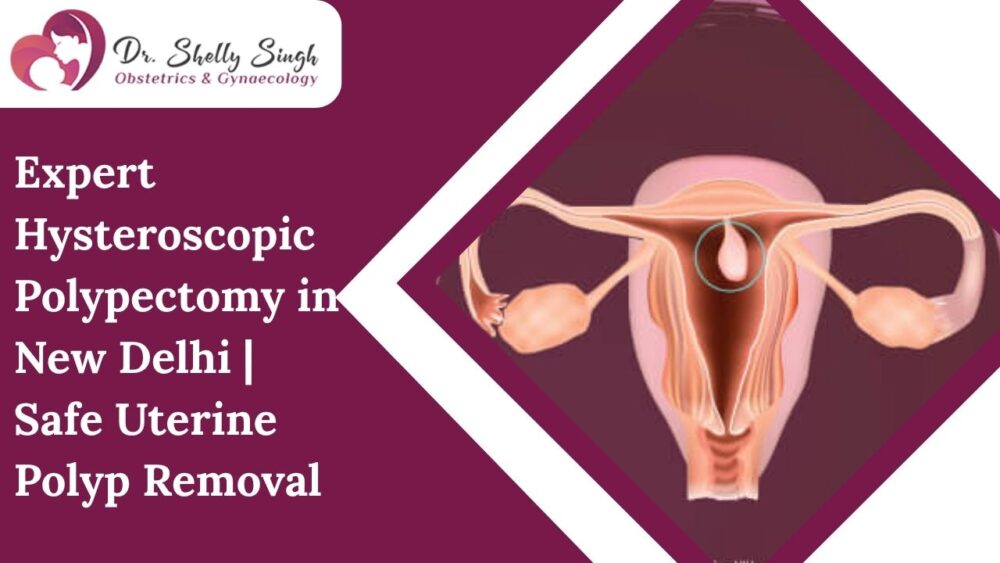
Expert Hysteroscopic Polypectomy in New Delhi: A Simple Solution for Complex Period and Fertility Problems

If your periods have become unpredictable or you’re facing unexplained fertility challenges, it’s time to look a little deeper with Expert hysteroscopic polypectomy in new Delhi. For many women, irregular bleeding, spotting between cycles, or repeated IVF failures are not random — they often have a cause that’s been overlooked.

One of the most common yet underdiagnosed culprits is a uterine polyp — a soft, usually benign growth on the lining of the uterus. And the most effective way to treat it? A minimally invasive procedure called hysteroscopic polypectomy. If you are seeking expert hysteroscopic polypectomy in New Delhi, this guide will help you understand what the procedure is, why it’s done, and where you can find the right care.

What Is Hysteroscopic Polypectomy?

Hysteroscopic polypectomy is a simple, no-incision procedure used to remove polyps from the uterus. Using a thin telescope-like device (hysteroscope) inserted through the vaginal canal, the doctor can clearly view the inside of the uterus and remove the growth with precision.

The best part? There are no external cuts, no stitches, and no overnight hospital stays. It’s a walk-in, walk-out solution performed under anesthesia. If you’re looking for expert hysteroscopic polypectomy in New Delhi, you’ll be happy to know that experienced specialists like Dr. Shelly Singh offer this advanced treatment with care, precision, and a patient-first approach.

 Expert hysteroscopic polypectomy in new Delhi

Why Would You Need a Hysteroscopic Polypectomy?

Uterine polyps can sometimes go unnoticed, but they often cause symptoms that interfere with daily life or fertility. You may need this procedure if you have:

  • Heavy or unusually long periods
  • Irregular menstrual cycles
  • Spotting or bleeding between periods
  • Trouble getting pregnant
  • Multiple failed IVF attempts
  • Miscarriages with no clear reason
  • A polyp detected during an ultrasound or hysteroscopy

These symptoms might not seem serious at first, but they often hint at something more. An expert hysteroscopic polypectomy in New Delhi can resolve these concerns quickly and with minimal discomfort.

What to Expect During and After the Procedure

During the procedure, a hysteroscope is gently inserted through the vaginal opening. The camera helps your doctor view the uterine lining and precisely remove any polyps. The process typically takes less than 30 minutes.

Afterward, most women go home the same day. Recovery is quick — most return to regular activity within 1–2 days.

 Expert hysteroscopic polypectomy in new Delhi

Following the procedure, many women experience:

  • Lighter, more regular periods
  • Relief from mid-cycle spotting
  • Improved chances of natural conception
  • Better IVF outcomes
  • Peace of mind knowing the uterus is clear of growths

Expert Care You Can Trust in New Delhi

If you are looking for expert hysteroscopic polypectomy in New Delhi, it’s important to choose a gynecologist with deep experience in women’s health and minimally invasive procedures. Dr. Shelly Singh stands out as one of the most trusted names in the field.

With over 25 years of experience, Dr. Singh is known for her compassionate care, clear communication, and successful outcomes in treating patients with uterine polyps, fibroids, infertility issues, and menstrual disorders.

Clinic Location:

C-30, Neeti Bagh, New Delhi – 110049
Landmark: Near Ansal Plaza, Delhi

Why Women Choose Dr. Shelly Singh for Hysteroscopic Polypectomy

  • Over 25 years of clinical excellence
  • Extensive experience with minimally invasive gynecological procedures
  • Thoughtful diagnosis and personalized treatment plans
  • Comfortable clinic setting with respectful, women-centric care
  • Honest advice focused on long-term reproductive wellness

Is Hysteroscopic Polypectomy the Right Choice for You?

If you’ve been living with cycle irregularities or struggling to conceive, it’s worth exploring whether a uterine polyp is standing in your way. In many cases, one simple, precise step can dramatically improve your quality of life and reproductive outcomes.

Seeking expert hysteroscopic polypectomy in New Delhi can save you months of uncertainty, repeated fertility treatments, or the burden of living with heavy, painful periods.

Frequently Asked Questions

Q: Is hysteroscopic polypectomy painful?
The procedure is performed under anesthesia, so you won’t feel any pain during it. Mild cramping may occur afterward but usually resolves quickly.

Q: How soon can I try for pregnancy after the procedure?
Most women are advised to wait for one menstrual cycle before trying to conceive, but this may vary based on your individual case.

Q: Are the polyps likely to come back?
While recurrence is possible, regular follow-ups help monitor your uterine health and prevent complications.

Q: Is the procedure covered by insurance?
Many health insurance plans cover diagnostic and therapeutic hysteroscopies. Check with your provider for confirmation.

conclusion

Sometimes, all it takes is one overlooked issue to throw everything off — from your monthly cycle to your chances of starting a family. Expert hysteroscopic polypectomy in New Delhi offers a safe, fast, and effective way to treat uterine polyps and help restore your reproductive health.

You don’t need to live with doubt or discomfort. With expert guidance from Dr. Shelly Singh, you can take back control and move forward with clarity and confidence.