
Miscarriage is a sensitive topic that many women find difficult to discuss. A miscarriage is the loss of a pregnancy before 20 weeks of gestation. Most miscarriages occur during the first trimester, and chromosomal abnormalities are the most common cause.
What Is a Miscarriage?
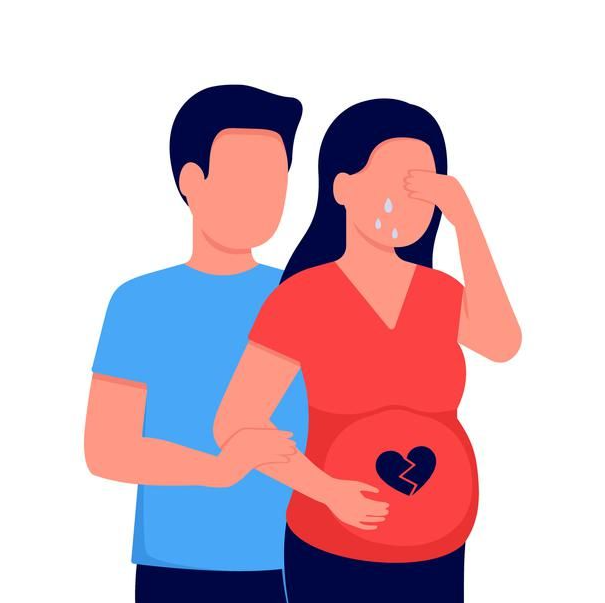
A miscarriage is the loss of a pregnancy before 20 weeks. In most cases, it happens very early in pregnancy.
Some women experience bleeding or pain, while others may not notice any physical symptoms. For many women, the loss is discovered during a routine check-up. That moment is often deeply emotional and difficult to forget.
Almost every woman asks the same question during her clinic visit: “Did I do something wrong?”
In most cases, the honest answer is no.
Why Do Miscarriages Happen?
The most common cause of miscarriage is a problem with the baby’s chromosomes. When this happens, the pregnancy cannot develop normally, and the body naturally ends it.
Other possible causes include:
- Health conditions such as diabetes or thyroid disorders
- Hormonal imbalances
- Problems with the uterus or cervix
Lifestyle habits like smoking or alcohol consumption can increase the risk of miscarriage.
However, normal daily activities—such as stress, working, walking, travelling, or exercising—do not cause miscarriage.
This is an important point for women to understand.
Signs That Need Medical Attention
Miscarriage does not look the same for every woman.
Some women notice vaginal bleeding, while others experience cramps. Some may pass clots or tissue, and in some cases, pregnancy symptoms suddenly disappear.
Any of these signs should be evaluated by a doctor. Even light bleeding should never be ignored.
Medical Care After a Miscarriage
Medical care after a miscarriage focuses on ensuring safety and supporting recovery.
Doctors usually recommend an ultrasound or blood tests to confirm that the body is healing properly. Sometimes, the body clears the pregnancy tissue naturally. In other cases, medication may be required. In certain situations, a minor medical procedure is advised.
Follow-up visits are very important. They help prevent complications and provide reassurance during recovery.
Doctors like Dr. Shelly Singh emphasize that physical healing is only one part of the recovery process.
Emotional Healing After Miscarriage
While physical recovery may take a few weeks, emotional healing often takes longer. It is completely normal to experience:
- Sadness
- Guilt
- Anger
- Fear about future pregnancies
Doctors stress that emotional well-being is just as important as physical health.
How to Cope Emotionally
1. Allow Yourself to Feel
There is no right or wrong way to grieve. Give yourself the time and space you need.
2. Talk to Someone You Trust
Sharing your feelings with a partner, friend, or family member can help.
3. Take Care of Yourself
Rest well, eat healthy food, and do gentle activities like walking or meditation.
4. Get Professional Help
If sadness or anxiety lasts too long, talking to a counselor can be very helpful.
Future Pregnancy After Miscarriage
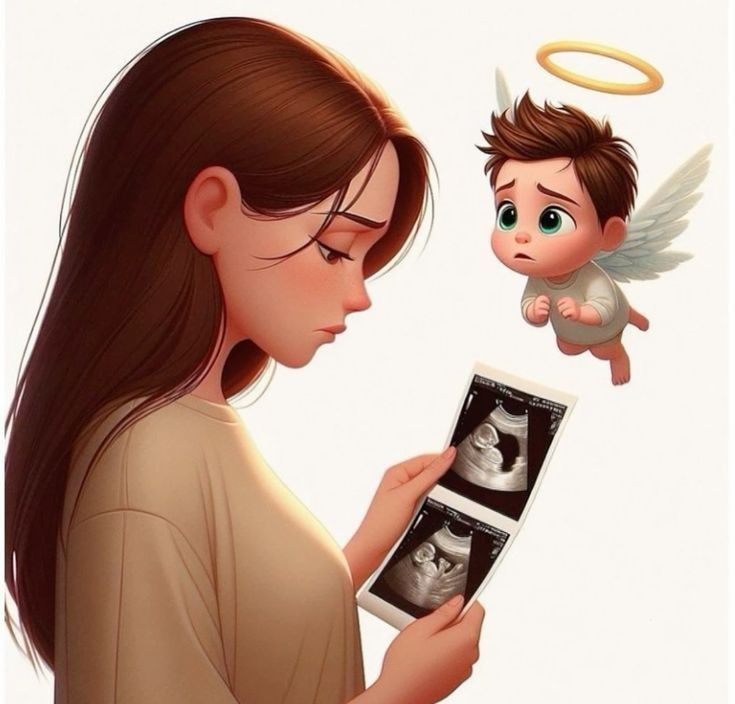
Having a miscarriage does not mean you cannot have a healthy pregnancy in the future. Most women go on to conceive and deliver healthy babies.
Once your body has fully recovered, a gynecologist can guide you on:
- When it is safe to try again
- How to prepare your body for pregnancy
- Steps to reduce future risks
Doctors like Dr. Shelly Singh often recommend pre-pregnancy counselling to support better planning and emotional reassurance.
Conclusion
Miscarriage is common, but the emotional pain it causes is very real. Understanding the reasons, receiving proper medical care, and prioritizing emotional health can support healing. With the right guidance and care, moving forward with hope is possible.