Long-Term Effects of PCOS: What Happens If It Is Not Treated?
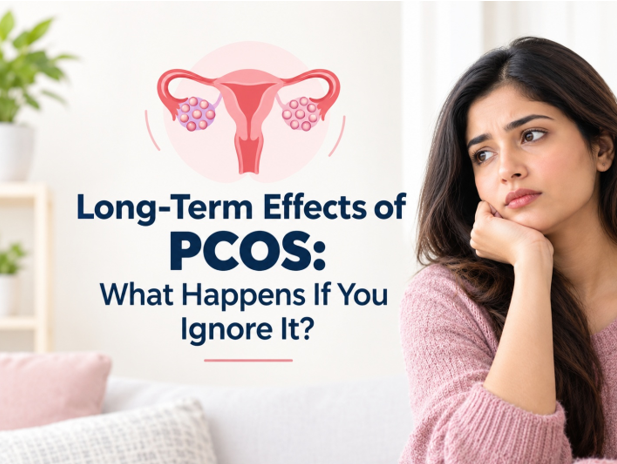
Many women in their 20s and 30s notice irregular periods, acne and unexplained weight gain. Often they are told “it is just stress”, so they wait. But the long-term effects of PCOS can touch your fertility, your heart, your sugar levels and even your mood.

PCOS or PMOS, as it is now called, is a common hormonal condition, and its long-term effects should not be ignored.

Here we explain the long-term effects of PCOS (or PMOS, as it is now called) Β in simple words, so you know what to watch for.

What Is PCOS and How Do You Know You Have It?

PCOS, or polycystic ovary syndrome (now also called PMOS, polyendocrine metabolic ovarian syndrome), is a hormonal problem. The ovaries make more male hormones than they should, and this disturbs ovulation and periods. It is very common in women of reproductive age.

Common PCOS symptoms include:

  • Irregular, late or missed periods
  • Acne and oily skin
  • Extra hair on the face or belly, thinning hair on the scalp
  • Weight gain, mostly around the belly
  • Dark, velvety patches on the neck or underarms
  • Difficulty getting pregnant

See two or three of these signs?
Do not wait, because early action limits the long-term effects of PCOS. Our guide on irregular periods treatment explains your cycle.

7 Long-Term Effects of PCOS If It Stays Untreated

PCOS is not only about periods. Left untreated for years, these are the long-term effects of PCOS that doctors worry about most.

1. Trouble Getting Pregnant

Without regular ovulation, an egg is not released every month. That is why PCOS is a leading cause of ovulation-related infertility. Many women with PCOS can conceive with proper treatment. If you have been trying for a year, read what to do when you are trying to conceive for more than 1 year or visit our infertility care page.

2. Insulin Resistance and Type 2 Diabetes

Many women with PCOS have insulin resistance. The body makes insulin, but it does not work well. Over time, this can lead to prediabetes and type 2 diabetes. Dark patches on the neck are an early hint.

3. Heart Disease, High BP and High Cholesterol

PCOS is linked with high blood pressure, high cholesterol and extra belly fat. Together, these raise the risk of heart problems later in life. This is one of the most serious long-term effects of PCOS, and it can stay silent for years.

4. Thick Uterine Lining and Cancer Risk

When periods are rare, the lining of the uterus keeps building up. Over many years, this can cause endometrial hyperplasia and raise the risk of uterine cancer. Heavy, long or very irregular bleeding should always be checked.

5. Weight Gain, Fatty Liver and Sleep Apnoea

Weight gain worsens PCOS, and PCOS makes weight loss harder. It becomes a cycle. Over time, this can lead to fatty liver and sleep apnoea (loud snoring and tired mornings).

6. Anxiety, Depression and Low Confidence

Hormone changes, acne, hair growth and fertility worries can hurt your mental health. This is real and treatable, so please do not ignore it.

7. Pregnancy Complications

If you conceive with untreated PCOS, there is a higher chance of miscarriage, gestational diabetes, high blood pressure and early delivery. Planning before pregnancy lowers these risks. You can also read this research article on PCOS from the National Library of Medicine (PMC) for a deeper medical view.

How Is PCOS Usually Managed?

PCOS has no one-time cure, but it can be controlled well. The earlier you start, the milder the long-term effects of PCOS will be. Treatment depends on each woman’s age, symptoms and plans. It usually includes:

  • Proper diagnosis: history, ultrasound, and blood tests for hormones, sugar and cholesterol
  • Cycle control: medicines to bring regular periods and protect the uterine lining
  • Fertility support: ovulation treatment and guidance when you plan a baby
  • Weight and sugar plan: simple diet and exercise advice that fits your routine
  • Regular follow-ups: yearly checks for sugar, BP and cholesterol

Dr. Shelly Singh has over 25 years of experience in gynaecology and obstetrics. She completed her MBBS from MAMC and her MD (Gold Medalist) from LHMC, New Delhi. Read more about Dr. Shelly Singh or see our gynaecology services for PCOS care.

Simple Habits to Reduce the Long-Term Effects of PCOS

  • Walk or exercise for 30 minutes, at least 5 days a week
  • Eat more fibre, protein and home-cooked food; cut down sugary drinks and packaged snacks
  • Aim for a healthy weight; even a 5% weight loss can help your cycles
  • Sleep 7 to 8 hours a night

When Should You See a Gynaecologist for PCOS?

Book a visit if you have any of these:

  • No period for 3 months, or cycles longer than 35 days
  • Trying to conceive for a year without success
  • Sudden weight gain with acne, hair growth or dark patches

Feeling low or anxious for weeks

Unsure? Check these top signs you need to visit a gynaecologist.

FAQs on the Long-Term Effects of PCOS

What are the long-term effects of PCOS?

The long-term effects of PCOS include infertility, type 2 diabetes, heart disease, high blood pressure, a thick uterine lining with higher cancer risk, fatty liver, sleep apnoea and low mood. Early treatment lowers these risks.

Can PCOS be cured completely?

Not fully, but it can be managed well. With medicines, healthy habits and regular follow-ups, many women keep their symptoms under control and many can conceive.

Does untreated PCOS always cause infertility?

No. Many women with PCOS do conceive. But without treatment, ovulation stays irregular, so pregnancy can take longer.

Which doctor should I see for PCOS in Delhi?

A gynaecologist is the right doctor for PCOS. Always choose a registered doctor. Clinic details are given at the end of this article.

Is PCOS now called PMOS?

Yes. PCOS, or PMOS as it is now called, is the same condition. The new name reflects that it affects hormones and metabolism, not only the ovaries.

Conclusion: Why Timely Medical Advice Matters

The long-term effects of PCOS are real, but they are not your fate. Neha started treatment and made small changes to her routine. Within months her cycles became regular, and today she is planning her family with confidence.

See these signs in yourself? If you notice these signs, consult a registered gynaecologist for proper diagnosis and advice.

About Dr. Shelly Singh

Dr. Shelly Singh did her MBBS from MAMC and earned her MD in Obstetrics and Gynaecology, as a gold medalist, from LHMC, New Delhi. She is the Director of Obstetrics and Gynaecology at Fortis La Femme, GK 2.

Medical Credentials:

Qualifications: MBBS, MD (Obstetrics & Gynaecology)

Registration No: DMC 16544

Call or WhatsApp: 9811555446

  • Neeti Bagh Clinic: C-30, Near Ansal Plaza, New Delhi-110049 (every day, 4 PM to 6 PM)
  • Online: Contact us

Clinic location on Google Maps._

(Visited 1 times, 1 visits today)

Leave A Comment

Your email address will not be published. Required fields are marked *