
Date Archives March 2026

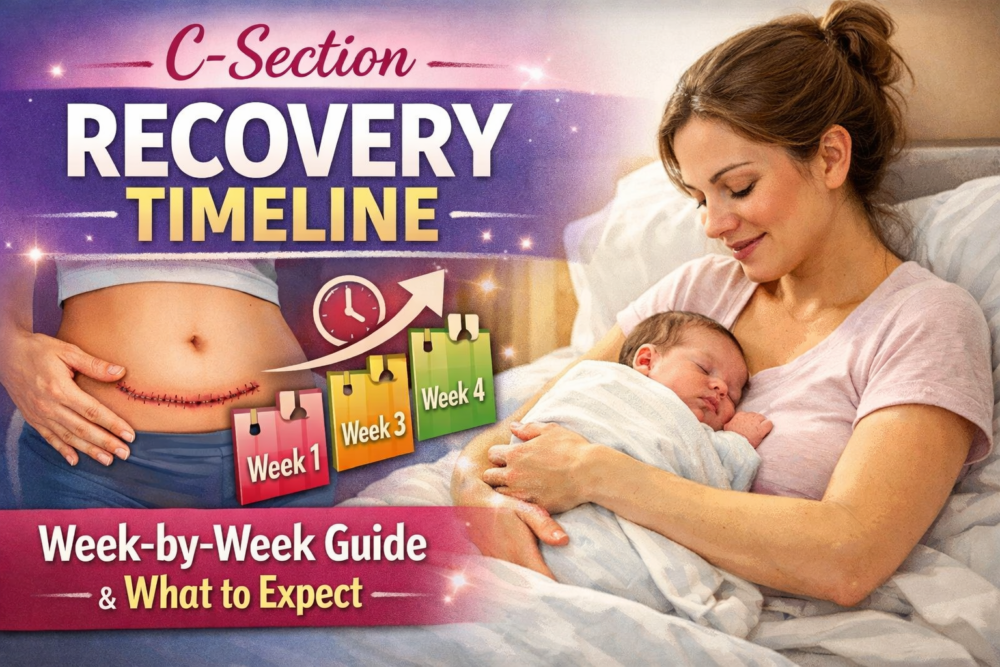
C-Section Recovery Timeline:Week-by-Week Guide & What to Expect

A C-section (cesarean delivery) is a major surgical procedure, and recovery requires time, care, and patience. For new mothers, understanding the c section recovery time can make the healing journey smoother and less
stressful.
In this guide, you’ll learn what to expect during recovery, a week-by-week timeline, and expert-backed advice from Dr Shelly Singh (20+ years experience) to help you heal safely
and confidently.
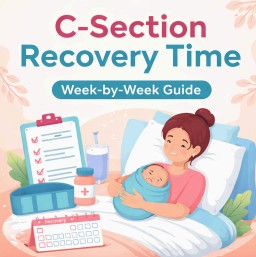
C-Section Recovery Time

C Section Recovery Time: What to Expect

Every woman’s recovery is different, but generally:
● Initial healing: 2–4 weeks
● Complete recovery: 6–8 weeks
● Internal healing: Up to 3 months
Since a C-section involves both childbirth and abdominal surgery, your body needs proper rest
and care to recover fully

Week-by-Week C Section Recovery Timeline

WeekWhat You May ExperienceWhat You Should Do
Week 1Pain, swelling, fatigue, limited movementRest, take prescribed medicines, avoid strain
Week 2Slight improvement, stitches start healingGentle walking, maintain hygiene
Week 3–4Reduced pain, improved mobilityLight activities, avoid heavy lifting
Week 5–6Significant healing, more strengthResume routine gradually
Week 6–8Near full recoveryDoctor check-up, start light exercise

C Section Stitches Recovery Time

C section stitches usually heal within 10 to 14 days, but the internal tissues take longer to recover.

Tips for proper healing:

  • Keep the incision clean and dry
  • Avoid tight or irritating clothing
  • Do not apply creams unless prescribed
  • Watch for infection signs (redness, swelling, discharge)

C Section Recovery Tips for Faster Healing

To improve your c section recovery time, follow these expert tips:

  • Get plenty of rest and sleep
  • Eat a balanced diet rich in protein, iron, and vitamins
  • Stay hydrated
  • Avoid lifting heavy objects
  • Support your abdomen when coughing or sneezing
  • Start gentle walking as advised

C Section Recovery Belt: Should You Use It?

A c section recovery belt can provide:

  • Support to abdominal muscles
  • Reduce discomfort while moving
  • Improve posture

However, always consult your doctor before using one to ensure it’s suitable for your recovery stage.

When to Call a doctor

Seek immediate medical attention if you experience:

  • Fever or chills
  • Severe abdominal pain
  • Redness, swelling, or discharge from stitches
  • Heavy vaginal bleeding

Expert Advice by Dr Shelly Singh

Dr Shelly Singh, MBBS, MD (Gold Medalist), is a highly experienced gynecologist in Delhi NCR with over 20 years of expertise in Obstetrics and Gynecology.

“C-section recovery is a gradual process. With proper care, rest, and medical guidance, most women recover smoothly within a few weeks.”

She is currently Director, Obstetrics and Gynecology at Fortis La Femme, GK 2, and specializes in high-risk pregnancy, infertility treatments, and advanced gynecological surgeries.

Why Choose Dr Shelly Singh?

  • 20+ years of experience in Obstetrics & Gynecology
  • Director at Fortis La Femme, GK 2
  • Expert in high-risk pregnancy and reproductive health
  • Specialized in endoscopic surgeries
  • Known for compassionate and personalized care

Services Offered

  • High-Risk Pregnancy Care
  • Prenatal & Postnatal Care
  • Endoscopic Surgeries (Hysterectomy, Fibroids, Ovarian Cysts)
  • Infertility Treatments and Surgery
  • Women’s Reproductive Health Care

Frequently Asked Questions (FAQs)

1.  How long does C section recovery take?

C section recovery time usually takes 6 to 8 weeks, depending on your overall health and care routine.

2.  How long do C section stitches take to heal?

Stitches generally heal within 10–14 days, but deeper healing takes more time.

3.  When can I start walking after a C-section?

Most women can begin gentle walking within 24 hours, as advised by their doctor.

4.  Can I use a recovery belt after C-section?

Yes, but only after consulting your doctor for proper guidance.

5.  When should I visit the doctor after delivery?

A routine check-up is usually scheduled at 6 weeks, or earlier if complications arise.

Conclusion

Understanding your c section recovery time helps you stay prepared and confident during the healing process. With proper care, nutrition, and expert guidance, recovery can be smoother and safer.

🚀 Book Appointment with Dr Shelly Singh

For expert guidance on C-section recovery and women’s health, consult Dr Shelly Singh for personalized care and support.

👉 Book your appointment today for safe and professional treatment.

Ovarian Cyst Symptoms: 7 Signs Women Should Not Ignore

Women’s bodies go through many hormonal changes throughout life. Sometimes these changes can lead to common gynecological conditions such as ovarian cysts. Many women develop ovarian cysts at some point in their lives, and in most cases they are harmless. However, certain ovarian cyst symptoms should not be ignored because they may indicate that medical evaluation is needed.

Recognizing early symptoms can help women seek timely care and avoid complications. In this article, Dr. Shelly Singh, a gynecologist with more than 20 years of experience in women’s health, explains the 7 warning signs of ovarian cysts every woman should know.

What Are Ovarian Cysts?

ovarian cyst treatment in Delhi

Ovarian cysts are fluid-filled sacs that develop on or inside the ovaries. The ovaries are an important part of the female reproductive system. They produce hormones such as estrogen and progesterone and release eggs during the menstrual cycle.

Many ovarian cysts develop naturally during the menstrual cycle and are known as functional cysts.

These cysts usually disappear on their own within a few weeks or months. However, some cysts may grow larger, cause symptoms, or require treatment.

Understanding ovarian cyst symptoms in women can help detect the condition early and prevent complications.

Pelvic Pain
Pelvic pain is one of the most common ovarian cyst symptoms. The pain is usually felt in the lower abdomen on one side of the body. Some women describe the pain as a dull ache, while others may experience sharp or sudden pain. The discomfort may become worse during physical activity, menstrual periods, or prolonged sitting. Persistent pelvic pain as an ovarian cyst symptom should not be ignored, especially if the pain continues for several days or becomes more intense over time.

Bloating or Abdominal Fullness

Another common sign of ovarian cysts is bloating or a feeling of heaviness in the abdomen. Women may notice that their stomach feels swollen or tight even when they have not eaten much.

This happens because a growing cyst can create pressure in the lower abdomen. If bloating continues for several days or occurs frequently, it may indicate that the cyst is increasing in size.

Irregular Menstrual Cycles

Changes in the menstrual cycle may also be related to ovarian cysts. Hormonal imbalance caused by cysts can affect the normal pattern of periods.

Women may experience delayed periods, heavy bleeding, painful menstruation, or irregular cycles. Some women may also notice spotting between periods.

If these menstrual changes occur regularly, it is important to consult a gynecologist for proper evaluation.

Pain During Intercourse

Some women with ovarian cysts may feel pain during sexual intercourse. This pain is usually felt deep in the pelvic region.

The discomfort may occur because the cyst presses against nearby tissues. Pain during intimacy can affect both physical comfort and emotional well-being, so it should be discussed with a doctor if it happens frequently.

Frequent Urination

Large ovarian cysts can press against the bladder. This pressure may cause the need to urinate more often than usual.

Women may also feel pressure in the lower abdomen or experience difficulty fully emptying the bladder. These symptoms occur because the cyst occupies space in the pelvic area.

Difficulty Getting Pregnant

Certain types of ovarian cysts can affect ovulation, and women may experience difficulty getting pregnant.

Large or persistent ovarian cysts may interfere with the normal release of eggs from the ovary. However, many women can still conceive successfully with proper medical care.

Sudden Severe Pain

Sudden and intense pain in the lower abdomen can be a serious warning sign. This may occur if an ovarian cyst ruptures or if the ovary twists around the cyst.

Other symptoms may include nausea, vomiting, dizziness, or fever. If such symptoms occur suddenly, immediate medical attention is necessary.

What Causes Ovarian Cysts?

Ovarian cysts can develop due to several factors. The most common cause is hormonal changes during the menstrual cycle.

Other possible causes include conditions such as endometriosis, pregnancy, or pelvic infections. In some cases, certain hormonal disorders can increase the risk of developing cysts.

Understanding the underlying cause helps doctors determine the most suitable ovarian cyst treatment in Delhi.

How Are Ovarian Cysts Diagnosed?

Diagnosis usually begins with a medical consultation and physical examination. A gynecologist may perform a pelvic examination to check for swelling or abnormalities.

An ultrasound scan is the most common test used to identify ovarian cysts. It helps doctors determine the size, location, and type of cyst.

In some situations, additional tests such as blood tests may be recommended to rule out other conditions.

Early diagnosis is important because it allows doctors to monitor the cyst and recommend appropriate treatment if needed.

Ovarian Cyst Treatment Options

Treatment for ovarian cysts depends on factors such as the size of the cyst, the symptoms, and the patient’s age.

In many cases, small cysts disappear naturally within a few menstrual cycles. Doctors may recommend regular monitoring through follow-up ultrasounds.

Medications may sometimes be used to regulate hormones and prevent new cysts from forming. If a cyst becomes large, persistent, or painful, minimally invasive surgery may be recommended to remove it safely.

Seeking early medical advice can help determine the most effective ovarian cyst treatment in Delhi.

When Should You See a Gynecologist?

Women should consult a gynecologist if they experience persistent pelvic pain, irregular periods, frequent bloating, or difficulty getting pregnant.

Sudden severe abdominal pain, nausea, or dizziness should never be ignored and requires immediate medical attention.

Regular gynecological checkups are important for maintaining reproductive health and detecting conditions like ovarian cysts early.

Frequently Asked Questions

  1. Can ovarian cysts go away without treatment?
    Yes. Many ovarian cysts disappear naturally within a few menstrual cycles.
  2. What does ovarian cyst pain feel like?
    It may feel like a dull ache or sharp pain in the lower abdomen, usually on one side.
  3. Are ovarian cysts common?
    Yes. Many women develop ovarian cysts during their reproductive years.
  4. Can ovarian cysts affect fertility?
    Some cysts may affect ovulation, but many women with ovarian cysts can still conceive successfully.
  5. How are ovarian cysts treated?
    Treatment may include monitoring, medication, or surgery depending on the size and symptoms of the cyst.

Consult Dr. Shelly Singh

If you are experiencing ovarian cyst symptoms such as pelvic pain, irregular periods, or abdominal bloating, it is important to seek expert medical guidance.

Dr. Shelly Singh, a gynecologist with over 20 years of experience, provides comprehensive care for women with ovarian cysts and other gynecological conditions.

Early diagnosis and timely treatment can help manage symptoms effectively and protect your reproductive health.

Book an appointment or call Dr. Shelly Singh today for expert consultation and personalized care.

Normal Delivery vs C-Section: Which Is Better for Mother and Baby?

Normal Delivery vs C-Section: Which Is Better for Mother and Baby?

Pregnancy brings joy, excitement, and also one important question: how should the baby be delivered? Many expecting mothers often ask whether a normal delivery is better or if a Csection is safer.

When discussing normal delivery vs C-section, the answer is not always the same for every woman. The right choice depends on the medical condition, pregnancy health, and expert medical advice.

According to experienced gynaecologists like Dr Shelly Singh, the safest delivery method is the one that protects both mother and baby based on individual circumstances — not trends or fear.

Normal Delivery vs C-Section

Understanding Normal Delivery

Normal delivery, also called vaginal birth, is the natural process in which the baby is delivered through the birth canal without surgical intervention.

Benefits of Normal Delivery

  • Shorter hospital stays
  • Faster recovery
  • Lower risk of surgical complications
  • Early initiation of breastfeeding
  • Better respiratory adaptation for the baby

Most healthy pregnancies are encouraged to attempt vaginal birth unless there are medical reasons to avoid it.

However, labour pain, prolonged labour, or foetal distress may require medical intervention.

Understanding C-Section (Cesarean Delivery)

A C-section is a surgical procedure in which the baby is delivered through an incision in the abdomen and uterus.

When Is a C-Section Necessary?

  • Placenta praevia
  • Breech baby position
  • Twin or multiple pregnancy complications
  • Previous uterine surgery
  • Fetal distress
  • High blood pressure or diabetes complications

Normal Delivery vs C-Section: Safety Comparison

When comparing normal delivery vs C-section, safety depends on the pregnancy condition rather than personal preference alone.

For the mother

Factor Normal Delivery C-Section
Recovery Faster Slower (4–6 weeks)
Infection Risk Lower Slightly Higher
Blood Loss Less More
Hospital Stay Short Longer

For the Baby

  • Babies born via normal delivery may have better lung function initially.
  • C-section babies may sometimes experience temporary breathing issues.
  • In emergency cases, a C-section can prevent serious complications.

Which Delivery Is More Painful?

The pain experience varies.

  • Normal delivery involves labour pain, but recovery is quicker.
  • A C-section avoids labour pain (if planned), but post-surgical pain lasts longer.

With modern pain management techniques, both methods are manageable under proper medical supervision.

Recovery Differences

In the debate of normal delivery vs C-section, recovery is a major factor.

  • Normal delivery recovery: 1–2 weeks for most daily activities
  • C-section recovery: 4–6 weeks due to surgical healing

Women who undergo a C-section are advised to avoid heavy lifting and intense physical activity initially.

Long-Term Considerations

Repeated C-sections may increase risks in future pregnancies, such as:

  • Placenta accreta
  • Uterine rupture
  • Surgical adhesions

Normal delivery, when medically safe, generally carries fewer long-term risks. However, attempting vaginal birth when not advised can also be dangerous.

Expert Opinion: What Do Gynecologists Recommend?

Most experienced specialists, including Dr. Shelly Singh, emphasise that the goal is always a safe mother and a healthy baby.

  • If the pregnancy is low-risk, a normal delivery is usually preferred.
  • If complications arise, a C-section is the safer option.

The decision should never be based on fear, social pressure, or convenience. It must be guided by medical evaluation and professional monitoring.

Can You Choose Your Delivery Method?

Many women ask if they can choose between a normal delivery and a C-section.

While preferences matter, doctors assess:

  • Pelvic adequacy
  • Baby’s size and position
  • Medical history
  • Pregnancy complications Ultimately, safety takes priority over choice.

Final Verdict: Which Is Better?

There is no universal winner in normal delivery vs C-section.

  • Normal delivery is generally safer for low-risk pregnancies.
  • A C-section is safer when medical complications exist.

The best delivery method is personalised, carefully evaluated, and supervised by an experienced gynaecologist.

Every pregnancy is unique — and so is every birth story.

FAQ Section

Q1. Is a normal delivery safer than a C-section?

In low-risk pregnancies, normal delivery is usually safer and involves quicker recovery.

Q2. Is a C-section more painful than a normal delivery?

A C-section avoids labour pain but involves post-surgical recovery pain.

Q3. Can I have a normal delivery after a previous C-section?

In selected cases, VBAC (Vaginal Birth After Caesarean) may be possible after medical evaluation.

Q4. Which delivery is better for the baby?

Both are safe when medically indicated. The safest option depends on the pregnancy condition.

Looking for the best gynaecologist in Delhi NCR? Contact Dr Shelly Singh today!!!

Vaginal Infections in Women: Causes, Symptoms, Treatment

Vaginal Infections in Women: Causes, Symptoms, Treatment & Prevention

Vaginal infections are one of the most common women’s health concerns affecting females of all age groups. While many infections are mild, ignoring symptoms can lead to discomfort and long-term complications. Maintaining proper hygiene, understanding early warning signs, and consulting an experienced gynecologist in Delhi can ensure timely diagnosis and effective treatment.
Dr. Shelly Singh, a trusted women’s health specialist in Delhi, provides personalized care and advanced treatment options for vaginal infections to help women regain comfort and confidence.

Common Causes of Vaginal Infections

Understanding the causes helps in prevention and long-term management

1. Bacterial Vaginosis (BV)

• Caused by an imbalance in
natural vaginal bacteria
• Symptoms include abnormal
discharge, odor, and irritation

2. Yeast Infection (Candidiasis)

• Occurs due to overgrowth of
Candida fungus
• Causes itching, burning sensation, and thick white discharge

3. Sexually Transmitted Infections (STIs)

• Includes Chlamydia, Gonorrhea, and Trichomoniasis
• May lead to vaginal pain, discharge, and serious health risks if untreated

4. Hormonal Changes

• Pregnancy, menopause, and menstruation can affect vaginal pH
• Reduced immunity increases infection risk

5. Poor Hygiene & Irritation

• Harsh soaps, perfumed products, and tight clothing
• Excess moisture and poor hygiene habits

Symptoms of Vaginal Infections

Early recognition leads to faster recovery. Watch for:
• Abnormal vaginal discharge (white, gray, yellow, or greenish)
• Strong or unpleasant odor
• Vaginal itching or irritation
• Burning sensation during urination
• Pain during sexual activity
If you experience any of these symptoms, consult a gynecologist in Delhi immediately for proper diagnosis.

Treatment Options for Vaginal Infections

Treatment depends on infection type
and severity.

Antifungal Medications

Used for yeast infections in the form
of creams, gels, or oral tablets.

Antibiotics

Prescribed for bacterial infections and certain STIs by a qualified doctor

Lifestyle & Hygiene Improvements

• Maintain intimate hygiene
• Wear breathable cotton underwear
• Avoid scented products and harsh soaps

Regular Gynecological Checkups

Routine screening at a women’s health clinic in Delhi helps prevent recurrence and detect infections early.

Dr. Shelly Singh offers customized treatment plans designed according to each patient’s health condition and medical history.

Prevention Tips for Vaginal Infections

• Maintain proper intimate hygiene
• Use mild, fragrance-free products
• Wear loose and breathable cotton underwear
• Practice safe sexual habits and regular STI testing
• Avoid douching or excessive washing
• Schedule regular gynecological consultations

Why Choose Dr. Shelly Singh – Gynecologist in Delhi NCR

• Extensive experience in women’s healthcare
• Advanced diagnostic and treatment methods
• Confidential, compassionate patient care
• Personalized treatment plans
• Focus on prevention and long-term wellness

Conclusion

Vaginal infections are common but manageable with early diagnosis and proper medical care. Understanding symptoms, maintaining hygiene, and consulting an experienced gynecologist in Delhi NCR can help prevent complications and ensure faster recovery. If you are experiencing discomfort or unusual symptoms, consult Dr. Shelly Singh for expert guidance and safe treatment options. Early care leads to better health, comfort, and confidence.