
Posts by Dr. Shelly Singh

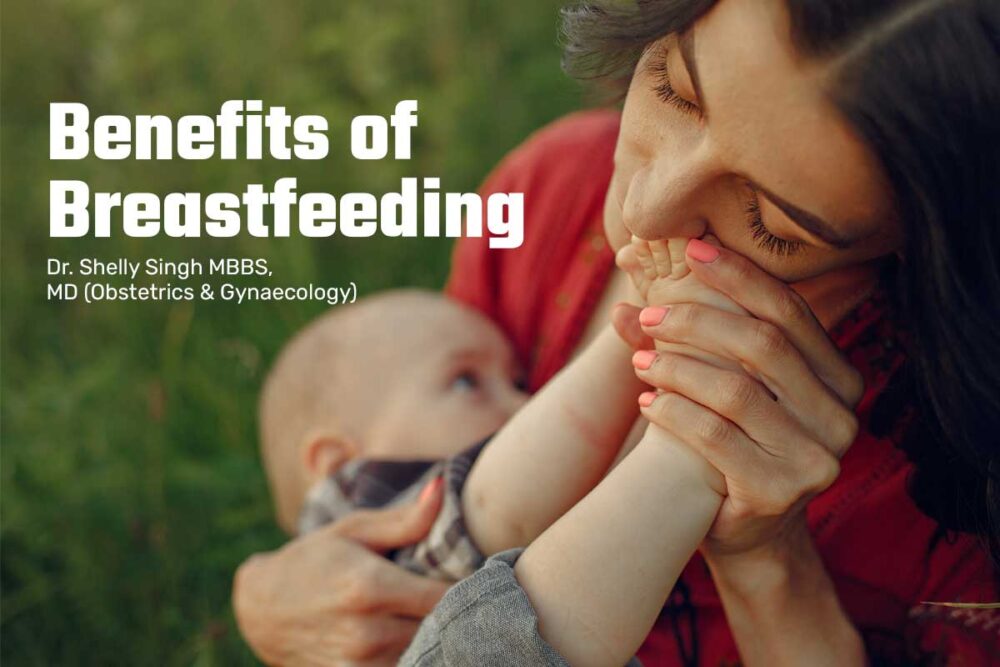
Benefits of Breastfeeding

Why breastfeed? 

There are numerous benefits of breastfeeding for the mom and baby, some of which extend lifelong. 

The biggest reason is that nature intended it this way . Breast milk contains just the right amount of macro and micronutrients, antioxidants, enzymes, immune properties and antibodies from the mom. The mother’s mature immune system prepares antibodies against common microbes and these antibodies are released in the mother’s milk. They coat the lining of the baby’s gastrointestinal system and protect them against illnesses, often for life . Moreover, breast milk is at the right temperature and is not infected, unlike bottles and nipples. 

HUMAN MILK IS NATURALLY BEST FOR HUMAN BABIES.

Breastfeeding moms lose weight earlier. They burn around 500 extra calories per day and become fitter earlier. 

Moreover the uterus of breastfeeding moms contracts and returns to pre-pregnant normal size earlier. Blood loss following delivery is also less due to the same reason.

Lesser chances of anaemia.

There are fewer chances of urinary tract infection. 

As the mom bonds with the baby with this skin to skin contact, there are happy hormones that are released and that leads to fewer chances of Post Partum blues and depression. There is a greater feeling of self-esteem and confidence which is emotionally rewarding.

Breastfed babies cry less and this shapes their behaviour for life. These moms are able to read their babies cues more and are more relaxed. 

It is easier to travel without the issues of carrying bottles and associated products like formula feeds. 

Whatever be the class of women, this is definitely a much more pocket-friendly alternative to feeding. 

For a lifetime, moms who breastfeed are protected from breast cancer, ovarian cancer, endometriosis, osteoporosis , diabetes and hypertension, to name a few illnesses. 

Aren’t these reasons good enough reasons to breastfeed ….


Now let’s consider the benefits to the baby.

Babies whose moms breastfeed them have less diarrhoea, constipation, gastroenteritis and preterm necrotising enterocolitis.

They have a stronger respiratory system and fewer chances of colds, pneumonia and other related illnesses

Lesser chances of ear infections like otitis media 

Lesser chances of bacterial meningitis, eye infections and better vision.

There is overall better health and less hospitalisation. 


These babies will grow up to be healthier children in later years too with less likelihood of allergies, asthma, eczema, obesity, childhood diabetes and a host of other benefits. If I start enumerating all the benefits it would probably take me all day.


So why not breastfeed? The obvious benefits are healthier, fitter moms with fitter, emotionally balanced babies and children; physically and mentally sound for a lifetime. And a more pocket-friendly, eco-friendly, natural option! To my mind, it’s totally a win-win practice!  Give up the thought of the bottle and give your baby that nectar now! 


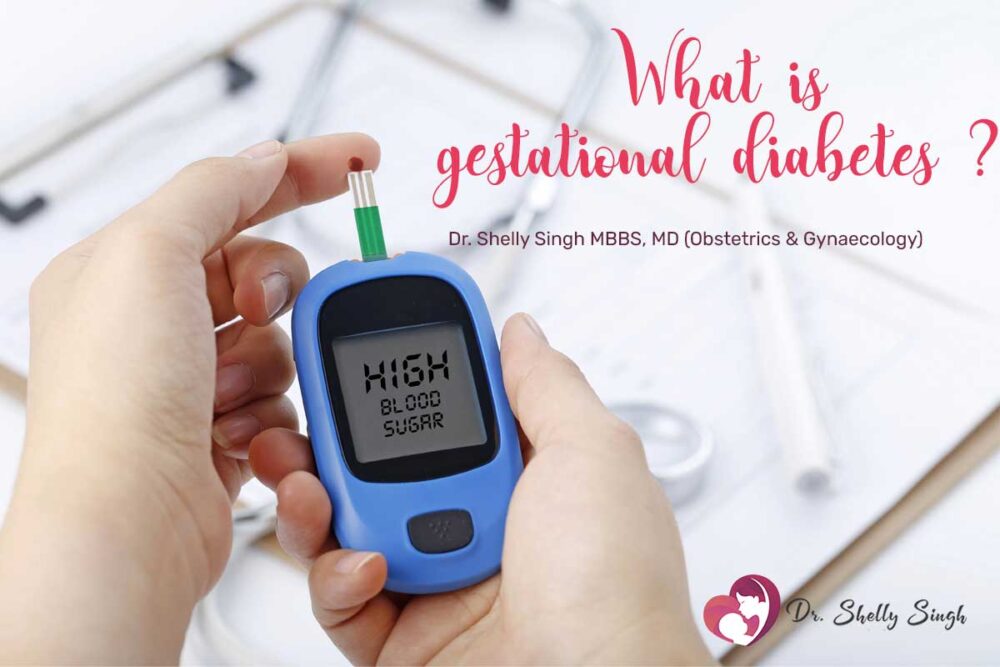
WHAT IS GESTATIONAL DIABETES?

Sheetal (name changed) ,a 30-year-old Primigravida ,went for a blood test called an OGTT with 75 glucose load at 24 weeks pregnancy and was appalled when the results showed high blood sugars. She had a family history of Diabetes in both parents but prior to her pregnancy, she never had high blood sugars.

Sheetal is a typical case of Gestational DM, which is diagnosed for the first time during pregnancy. There is good news though. This affects your health and your baby’s but you can control it easily by diet, exercise, lifestyle modifications and occasionally medication. The bad news however is that it may lead to Type 2 Diabetes later in life and your baby too may suffer from childhood obesity and Diabetes.

RISK FACTORS

  • Obesity
  • Family history of DM
  • Race: We Asians are at a higher risk compared to Whites
  • If you’ve had a previous pregnancy with GDM or Prediabetes
  • If you’ve delivered a baby with a birth weight of 4.1 kg or more

WHAT ARE THE SYMPTOMS OF GDM?

There aren’t many symptoms except maybe increased thirst or urination. Most times it’s only detected when we test for sugars at 24-28 weeks or in the case of high-risk patients, at the first antenatal visit.

COMPLICATIONS:

Let’s divide these into complications for you and for your baby

For your baby, it may lead to

  • Increased birth weight
  • Birth injuries like shoulder dystocia and collar bone fractures etc.
  • 3 times greater risk of a Caesarean delivery
  • 4 times greater risk of NICU care
  • Hypoglycemia and some other biochemical derangements after delivery
  • Breathing difficulties, Respiratory Distress Syndrome
  • Stillbirths
  • Greater chance of obesity and DM later in life

For you, it may lead to

  • Increased chance of difficult vaginal delivery owing to a big baby
  • Vaginal and perineal tears
  • Caesarean delivery
  • Future DM

PREVENTION OF GDM:

As with most lifestyle illnesses prevention and first-line treatment is by lifestyle changes. Eating a healthy diet rich in green vegetables and fruits

lean meat, whole grains high in nutrition and low in calories and fats. Simple carbohydrates like sugars and desserts are to be limited. Regular meals and snacks with small portion sizes are desired. Talk to your nutritionist or doctor to help you with a diet chart.

Exercising 5-6 times a week for at least 30-45 minutes, unless contraindicated by your doctor is most vital.

Cutting alcohol and smoking completely is required and maintaining a healthy weight even before you become pregnant is vital to ease your journey with GDM.

You should not gain more weight than recommended.

TREATMENT

As mentioned above , lifestyle modifications are crucial to controlling high blood sugars in GDM, which in turn reduce the complications of the disease.

You will need to buy a glucometer and monitor your blood sugar levels 4 or more times a day.

Medication like Insulin or oral hypoglycaemic drugs may be needed depending on your blood sugar control or lack of it; the dose being adjusted accordingly.Most times it is only 10-20% patients who need medication.

Your baby’s growth is monitored by serial ultrasounds and other tests including checking for the amniotic fluid volume and Dopplers to determine blood flows.

Delivery is done at around 38 weeks or even later if all is well; your doctor is the best judge of it and you must have a frank and detailed chat with her about the birth plan . Sometimes, however a preterm delivery may happen owing to complications of the disease.

Following delivery ,your blood sugars will be checked , one OGTT will be repeated 6 weeks later and then you will need follow up at least every 2-3 years if not more frequently .


REMEMBER GDM IS EASILY CONTROLLED WITH DIET,EXERCISE, HEALTHY LIVING AND MEDICINES AND PREVENTION IS ALSO BY LIFESTYLE CHANGES. LETS STAY FIT AND BEAT THESE LIFESTYLE ILLNESSES -LETS BEGIN BEFORE PREGNANCY;IN FACT,LETS BEGIN NOW!

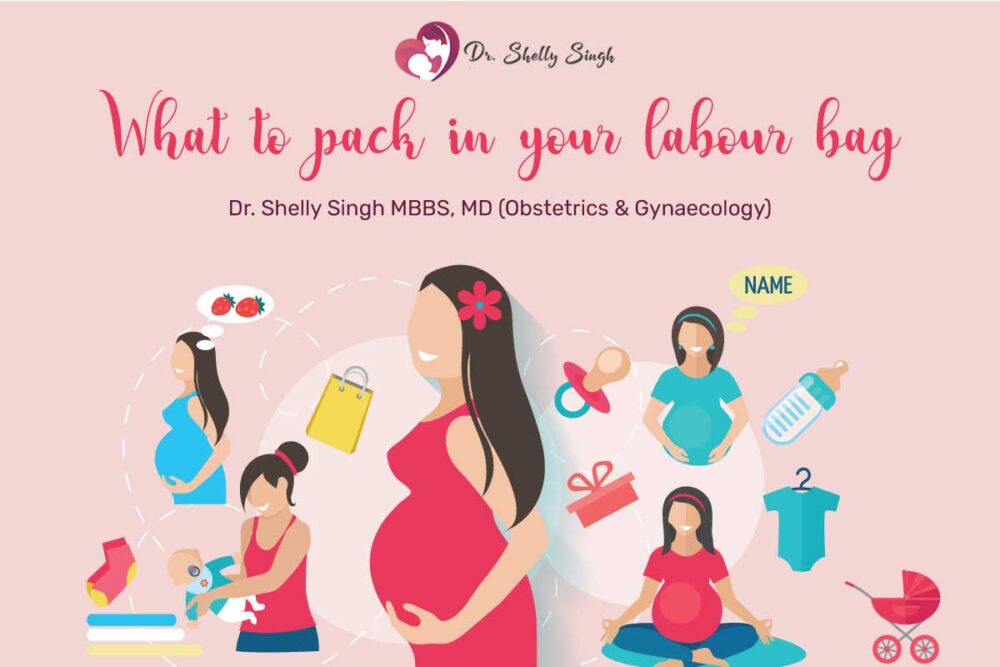
What to pack in your labour bag

Congratulations. Now that you are 36-37 weeks pregnant, you must keep your labour bag packed and ready just in case you go into labour before that or in case your doctor tells you that you need to deliver before your EDD for some reason. 

Let’s keep this short and simple. A checklist that you need to keep handy. Just tick off these in your labour bag. Ready, steady, GO…..

FOR YOU

  • All your medical files and reports
  • Your Insurance card and ID copies
  • Birth plan, if any
  • Cash or Credit /Debit cards

YOUR CLOTHES

  • Loose flowing gowns or loungewear [if you don’t want to wear the hospital gown]-Front opening ones are best
  • Nursing bras your size
  • Breast pads
  • Comfortable panties, cotton ones
  • Slip-on shoes or chappals
  • Warm socks, if it’s cold.  [The labour room AC may be quite cold too]
  • Towels
  • Something that helps you relax, like music or books
  • Sanitary pads [large absorbable ones]
  • Clothes to go home in 
  • Most hospitals have a post-delivery photo op too before you get discharged, so get the pretty maternity outfits you want to be clicked in

TOILETRIES

  • Comb or hairbrush
  • Toothbrush and paste
  • Your favourite shampoo and conditioner
  • Moisturiser, face cream and lip balm 
  • Body lotion or oil 
  • Your favourite massage oil
  • Hairbands and scrunchies
  • Deo spray 
  • Glasses, contact lenses, lens solution and lens case 

ACCESSORIES

Nipple balm or butter,if you prefer to use one [though I prescribe desi ghee or your own milk lightly rubbed over the nipple as an emollient]

Phone charger 

FOR YOUR BABY

  • Thin, soft clothes or warm rompers and layers if its winter
  • Baby suits, vests and sleepsuits
  • Caps 
  • Mittens
  • Socks
  • Nappies or disposable diapers
  • Sheets for the little one-for their cot and for wrapping them in
  • Baby quilts or blankets
  • An outfit for going home in 
  • A baby car seat

FOR YOUR PARTNER

  • Toiletries and shaving kit
  • Clothing and PJS/ comfortable lounge clothes
  • Pillow and light sleeping bag [if needed ]
  • Laptop
  • Mobile phone and charger

All You Need To Know About Covid Vaccination For Pregnant Women

The long-term effects and safety of the vaccine on the foetus and child have yet not been established.


-Dr. Shelly Singh, MBBS, MD (Obstetrics and Gynecology) Senior Consultant – Obstetrics & Gynecology, Rosewalk Hospital, Delhi

Which group of pregnant women are at risk?

All pregnant women are at risk and they should definitely get the vaccine. A special mention for women who are:

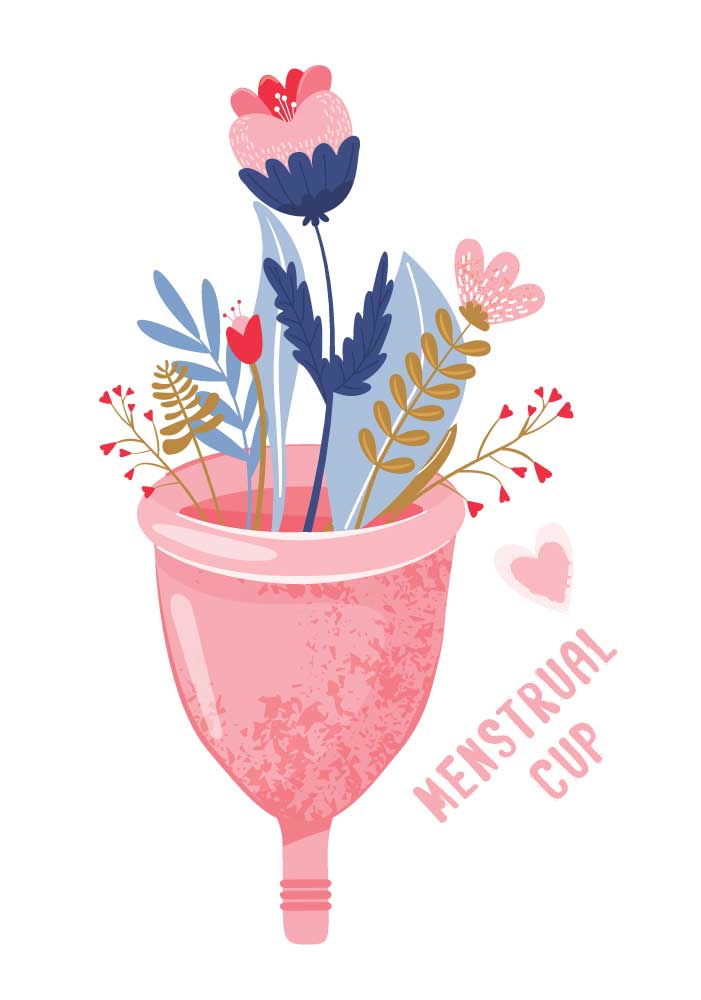
Menstrual Cups- A More Sustainable Way of Feminine Hygiene

What is a Menstrual Cup? 

Menstrual cups are small, flexible, funnel-shaped cups made of silicone or rubber that are inserted inside the vagina to collect menstrual blood. They’ve been around since the 1930s but did not gain favour till recently when they’ve resurfaced as an eco-friendly method of feminine hygiene. 

Why use menstrual cups? 

If you’re interested in menstrual cups do speak to your gynaecologist. 

  • Menstrual cups are pocket friendly. They cost much less than the sanitary napkins and tampons you need to buy every month. 
  • They are safer to use compared to tampons as they collect rather than absorbing blood. They hold much more blood and need to be changed after 6-12 hours depending on the flow. Tampons, on the other hand, need to be changed 4-8 hourly. 
  • Tampons can cause the Toxic Shock Syndrome; since cups don’t absorb blood they are less likely to be a source of infection by bacterial invasion. 
  • These menstrual cups cause less odour unlike sanitary pads and tampons as they don’t absorb blood which comes in contact with environmental air that causes a bad smell. 
  • They are more eco friendly. Most can be used for up to 1 year or longer ( though some are disposable too); that means fewer trees cut and less waste in landfills due to pads, cloths and tampons. 
  • You can wear menstrual cups with an IUD during place though the thread of the IUD may need to be cut shorter so that it doesn’t get pulled out with the cup.
  • You can use it during sex as well. Most well-fitted cups are not even felt by you or your partner during intercourse. 

What are the disadvantages of using Menstrual Cups? 

  • They may be difficult to insert or remove initially till practice makes perfect.
  • The removal of a cup may be messy especially in public toilets and some people may be embarrassed doing the same. You need to carry bottles of water and tissue paper to clean them. Also, you may initially find it tough to pinch the base of the cup to release the vacuum and then pull at the stem. 
  • It may be tough to find the right fit. 
  • They may cause vaginal irritation if they are not cleaned or cared for properly.

How to use the menstrual cup?

Menstrual cups are available online and in different sizes. You need to get a size that’s appropriate for you. Please speak to your health care provider regarding the same. 

You need to wash your hands, apply a water-based lube or water to the rim of the cup,  fold the cup ( different styles of folding seen in the images) and insert it inside the vagina rim up. The cup is then rotated and it sits in the vagina just below the cervix after a vacuum is created. 

Once it is properly placed it is very comfortable and you won’t feel it . The seal of the cup is such that leaks are prevented. 

How to remove the cup? 

You need to empty the cup 6-12 hours later depending on the flow. Wash your hands, insert the index finger and thumb inside the vagina , feel the stem of the cup and reach up to the base. Pinch the base, release the vacuum and then pull at the stem bringing the cup out . This can now be emptied of blood, washed and re-inserted inside.

Reusable cups can be used from 6 months to 10 years while disposable ones can be thrown away after use.

Price of the menstrual cup? 

Most menstrual cups available online come at a price of 200 Rs up to around 1000 Rs. They come with a cloth bag in which the cup can be stored when not in use. 

So make an informed choice – your body, your choices! The menstrual cup is indeed a way of empowering yourself, of clean and safe periods and a hygienic and more eco-friendly and sustainable way of life! 

Make your daughter ready to hit her periods

I’ve been asked to keep this really short and sweet. 

So let me, in my capacity as a mum myself and a gynaecologist try and make it a bit easier for you to educate your girls about the first period or “menarche”. Here’s what you can tell her. You may begin by making a diagram of the uterus ( your biology books will help ) or take the help of the net.


What are periods? 

Periods are bleeding along with shedding of some tissue of the uterus which happen every month in a young lady who can now bear a baby . Tell her that periods will come every 21-45 days. They may last 4-7 days. And they’re not more than 2-3 tablespoonfuls. She may fear she’ll gush like a tap. Reassure her that it’s not that much at all. Also when you tell her this openly she does not think it’s shameful or scary. You may tell her that you too have them and that she’s now joined the league of young women. 


When will she have her first periods? 

Generally at 11-12 years, though it may happen as early as 10 years and as late as 16 years depending on her body clock. We expect periods 2 years after the development of breast buds and about 6 months after pubic and armpit hair. 


What will happen if she starts bleeding suddenly in school? 

It’s a good idea to keep an emergency kit in her school bag or locker. This contains a panty liner, a sanitary pad and a clean panty. Most schools also have sanitary napkins handy so a trusted teacher and nurse in the infirmary may help. Tell her not to be scared of “ leaking” and if it happens she can just throw that panty away and use a fresh one. Also, tell her that other girls in her class are also going through similar changes and they can watch each other’s backs. 


What should she use during periods? 

There are some wonderful pictures on parenting sites on the net that show sanitary pads, tampons and menstrual cups. You can be a hands-on mum by showing her a sanitary pad that can be stuck on the panty using one of your own. It’s best, to begin with, these. Tampons can also be used but it’s better to use them slightly later once she gets used to her periods. You must teach her how to insert tampons( the teen ones which are narrowest) since it seems terrifying to insert these. 

You have to teach her hygiene. Tampons and pads must be changed every 4-8 hours depending on the flow. And she must wash herself every time she uses the washroom; keep herself clean since menstrual blood can lead to infection and bad odour. Disposal of napkins and tampons must be taught to your young one. It’s important to wrap it in a newspaper and dispose of this in the bin rather than flushing it down. 


What are the other things that can accompany periods? 

Tell her that there may be cramps, backache, thigh pain and headaches that may happen. But these can easily be cured with simple pain killers or a hot water bottle on the abdomen. Exercising may also help to take care of all this. 

In a nutshell, tell her this is part of a normal growing up process.  Empower her to continue with normal activities including sports and involve her in the beautiful world of youthfulness. Your little girl is now a young lady …. and do remember your own attitudes about menses will train her for life. So here’s to knowledgeable mommies with their assured, educated and empowered adolescent daughters capable of taking on menstruation and everything that comes with it! 

All You Need To Know About Covid Vaccination For Pregnant Women

-Dr. Shelly Singh, MBBS, MD (Obstetrics and Gynecology) Senior Consultant – Obstetrics & Gynecology, Rosewalk Hospital, Delhi

Which group of pregnant women are at risk?

All pregnant women are at risk and they should definitely get the vaccine. A special mention for women who are:

  • Health line workers
  • Obese
  • Suffering from comorbid conditions
  • Hypertensive
  • Diabetic
  • More likely to get an infection due to living in areas that have a high load of cases
  • Older than 35 years of age
  • Have a history of clotting in the limbs
  • Exposed to people outside the household
  • Living in crowded areas and unable to practice social distancing

COVID Vaccination in Pregnancy

There’s good news for many pregnant girls who have been expectantly waiting for the COVID vaccine. The Ministry of Health and Family Welfare has given us the green signal for vaccinating this vulnerable section of women.

Which group of pregnant girls need the vaccine?

All pregnant girls should get the vaccine

AND 

  1. A special mention for girls who are:
  2. Healthline workers
  3. Obese
  4. Suffering from comorbid conditions
  5. Hypertensive
  6. Diabetic

More likely to get an infection due to living in areas that have a high load of cases

Older than 35 years of age

Have a history of clotting in the limbs

Exposed to people outside the household

Living in crowded areas and unable to practice social distancing

This set of pregnant girls definitely need the vaccine as they are at a higher risk of acquiring the disease and developing complications of COVID infection. 

Also remember that girls who have had COVID in this pregnancy, still need the vaccination though it can be stalled after delivery.

Which vaccine is better?

Covishield or Covaxin-whichever is available

How to go about it?

Both, registration on the Co Win App or on-site registration is required.0.5 ml of the vaccine is given intramuscularly in the upper arm. After receiving the vaccine it is mandatory to stay at the vaccination site for half an hour so that doctors can monitor side effects if any.

Side Effects 

  • These are generally minor and last for 1-3 days
  • Pain at the vaccination site
  • Headache
  • Fever
  • Muscle pain 
  • Weakness 
  • A feeling of being unwell

Major side effects to watch for:

Within 20 days of vaccination the vaccinated girls must watch out for:

  • Severe headache with or without vomiting 
  • Seizures
  • Vomiting
  • Blurring of vision
  • Chest pain 
  • Shortness of breath
  • Severe abdominal pain 
  • Small pinpoint haemorrhages
  • Weakness or paralysis on either side of the body
  • Pain, swelling and tenderness of the calf

These are red flag signs for which expectant mothers or their families must inform the healthcare workers immediately; the good news is that these side effects are extremely rare.

The long term effects and safety of the vaccine on the foetus and child have yet not been established.

Myths that need to be busted

  • One gets the disease after vaccination 
  • One turns positive after the jab
  • The DNA gets altered
  • After getting the disease pregnant girls don’t need to be vaccinated

Let’s bust all these myths and join hands to bust this disease together. Prevention, as we all know, is better than cure. And what is more important than protecting ourselves while we carry our precious bundles of joy? Stay safe, stay positive, stay informed!


Decoding the COVID Vaccine

Currently, as we all know there are three vaccines available for use in India- COVISHIELD,  COVAXIN and SPUTNIK.

We began vaccinating our large population from January 16th this year and 6 months into the vaccine we are reasonably sure of their efficacy in preventing serious disease. The vaccine has been rolled out in phases and now includes the 18 + population including breastfeeding and new moms. It also gets the nod from ICMR for pregnant girls from the 25 th of June; in the latest development, we have also been given the go-ahead signal from the MOHFW, Government of India, as I write today.

LET’S TALK ABOUT THE VACCINES

Covaxin is indigenously developed in India; manufactured by the Bharat Biotech in collaboration with ICMR and the National Institute of Virology. It is an inactivated viral vaccine containing the whole virion inactivated virus which can’t infect a person but which prods the immune system to form antibodies against it.

Covishield is a vaccine developed by the Oxford Astra Zeneca and manufactured by the Serum Institute of India. This has been prepared using viral vector technology. A chimpanzee adenovirus-ChAdOx1 has been used to carry the spike protein of the virus into human cells. This again does not infect the person getting the vaccine but mounts an antibody response. Vectors are “vehicles” which carry this genetic material inside the cells.

Sputnik V is the Russian developed vaccine made by the Gamaleya Research Institute of Epidemiology which will be manufactured by Dr. Reddy’s laboratories. This uses the human adenovirus 26 and 5 to act as vectors for the Coronavirus spike protein.

Doses and timing of these

Both Covaxin and Covishield are given in 2 doses. 0.5 ml is administered intramuscularly into the deltoid muscle. Covaxin is given at an interval of 4-6 weeks apart and Covishield is prescribed at an interval of 12-16 weeks.

Sputnik vaccine is a double dose vaccine, also administered as an intramuscular dose. The interval between both doses is likely to be 21 days.

Even if one has had COVID, the vaccine must still be taken, however, delay the jab to 3 months after recovery from the disease.

If one gets COVID after the first dose of vaccine, it is recommended that one gets the second dose at the scheduled date provided one has no symptoms and the quarantine period is over.

Efficacy

The efficacy of Covaxin is around 81% in phase 3 trials whereas that of Covishield is around 90% . The efficacy of the Sputnik vaccine is 91.6 % as per global studies.

The chances of getting the disease after 2 doses of Covaxin are 0.4% and of Covishield are 0.3%

Side Effects

Pain at the site of injection, fever, headache, joint pain and weakness are common side effects of the vaccine which generally go away after 1-3 days. Rashes, nausea and vomiting are some other side effects.

Some serious side effects may be allergic reactions, breathing difficulties, palpitations, throat and face swelling but these are rare.

Some myths that need busting

  • COVID vaccine can infect one with the disease
  • COVID vaccine can cause one to become positive for infection
  • COVID vaccine can alter one’s DNA
  • COVID vaccine can’t be taken during one’s periods
  • The vaccine will decrease one’s fertility
  • After recovering from the disease one doesn’t require vaccination

Talk to your doctor; let’s all dispel myths and fears about the vaccine and move ahead in our fight against this terrible disease. 


WE WILL EMERGE VICTORIOUSLY; ALL WE NEED TO DO IS TO JOIN HANDS 

REMEMBER PREVENTION IS ALWAYS BETTER THAN CURE

Tips on Prenatal yoga by Dr. Shelly Singh

Pregnancy…. It comes with its share of mixed feelings , elation , enthusiasm , positive anticipation as also fear , irritation and a host of other emotions you can’t label as positive. In these current COVID times we are all reeling under the stress and psychological trauma of this disease and its associated impact. 

I always reiterate the need for eating healthy and exercise. And what better than yoga? 

When is the best time during pregnancy to start yoga? 

You can start at any time as early as you like after talking to your doctor. Some girls may start in the second trimester though once the morning sickness of the first trimester has passed.

Health benefits of Prenatal Yoga: 

  • Your body remains flexible and supple. This always helps in labour and normal delivery.
  • Yoga and Pranayam also help in deep breathing and relieve you of stresses. It is one of the oldest forms of relaxation.
  • Yoga also helps in relieving some common problems of pregnancy like leg cramps, backache, constipation, leg oedema, nausea and gastritis.
  • Yogasanas help you recover faster post-delivery

Health benefits of Prenatal Yoga: 

  • Your body remains flexible and supple. This always helps in labour and normal delivery.
  • Yoga and Pranayam also help in deep breathing and relieve you of stresses. It is one of the oldest forms of relaxation.
  • Yoga also helps in relieving some common problems of pregnancy like leg cramps, backache, constipation, leg edema , nausea and gastritis.
  • Yogasanas help you recover faster post-delivery. 

What yogasanas are allowed and beneficial during pregnancy ? 

  • Cat stretch or Marjariasana
  • Konasana
  • Warrior pose or Veerbhadrasana
  • Triangle pose or Trikonasana
  • Butterfly pose or Badhakonasana
  • Shavasana
  • Yoga Nidra or Yogic sleep

Pranayamas or breathing exercises

  • Meditation 
  • These are huge stressbusters

Yogasanas not allowed in pregnancy:

  • Boat Pose
  • Cobra Pose
  • Superman Pose
  • Plough Pose
  • Sitting half spinal twist pose

Always remember


  • To begin with a warm-up and end with cool down
  • Set realistic goals for yourself after talking to your obstetrician.
  • To avoid asanas with inversion poses 
  • To avoid asanas that need you to lie on your back and hold it for long as the pregnant uterus puts pressure on the large blood vessels of the body and causes less blood supply to the brain leading to dizziness. 
  • Do standing poses as they strengthen the legs and increase their tone, improving circulation and even leg cramps
  • Reduce time holding asanas in the third trimester and do more of pranayam and meditation .
  • Stay cool and hydrated 
  • Wear well stretching yoga maternity gear.
  • Always enrol with an instructor who is well versed with prenatal yoga only after you get the go ahead from your doctor . Sometimes, exercises are completely prohibited like in cases of threatened miscarriage, bleeding in pregnancy, placenta previa, preterm labour etc. 
  • Listen to your body and do your yogic practice and exercises only till the point where you are not fatigued. 
  • Also let your instructor and doctor know about any associated medical condition during your past or current pregnancy . 
  • Moreover if you experience any pain or these red flag signals I’ve mentioned just stop immediately and consult your doctor. 
  • Let your yoga practice in pregnancy be fun , slow and relaxing rather than an intense workout.