Posts by Dr. Shelly Singh

Anaemia in Pregnancy

50 per cent of pregnant girls in India suffer from anaemia. 

When you suffer from anaemia, your blood does not have healthy Red blood cells to carry oxygen to your tissues and your baby. Your body uses Iron to make Haemoglobin, the protein that carries oxygen in the RBCs. 

Types of anaemia in pregnancy are Iron deficiency anaemia, Folate deficiency anaemia and Vitamin B 12 anaemia. 

What are the risk factors for anaemia? 

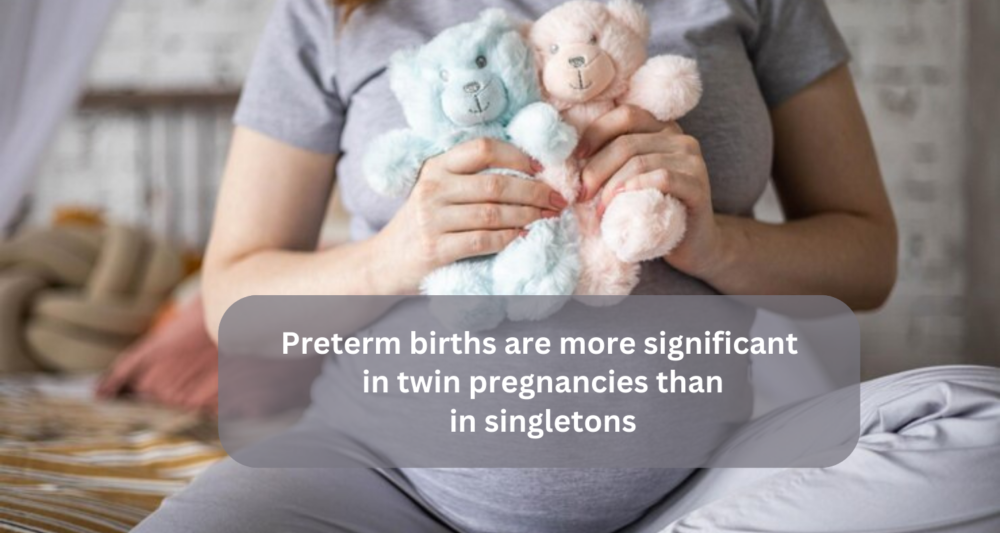
If you’re anaemic before you become pregnant, don’t have an iron-rich diet, are vegan or vegetarian, have twins or multiple order pregnancy, have pregnancies too close together, have severe vomiting in pregnancy, malabsorption syndromes, chronic infections like malaria, TB, worm infestations or conditions like Thalassemia or excessive menstrual loss prior to pregnancy, you are more liable to get anaemia in pregnancy. 


What are the symptoms of anaemia? 

Easy fatiguability, weakness, dizziness, palpitations, rapid heartbeat, breathlessness, trouble concentrating, pale lips and nails are common features of anaemia. 

What are the risks to the foetus if you are anaemic? 

There is a greater chance of preterm birth and low birth weight babies. 

You run a risk of post Partum haemorrhage necessitating blood transfusion, your baby may be anaemic as well. 

Untreated folate deficiency may lead to babies with neural tube defects. 

How does your doctor diagnose the same? 

Blood tests like Complete haemogram, Peripheral smear for the type of anaemia, Vitamin B 12 and Folate levels, HPLC tests to rule out Thalassemia, stool tests to detect ova and cysts due to worm infestations are ordered. In the very first antenatal visit itself, your doctor takes your history, does a clinical examination and orders your blood test that can detect anaemia. 

How is anaemia prevented and treated? 

Iron supplements that contain 60-100 mg of elemental iron, Folic acid 500 micrograms and Vitamin C that helps in iron absorption need to be taken. 

Always remember never to take Iron capsules along with Calcium or with antacids as these reduce Iron absorption in the gut. Also taking too much tea and coffee also reduce Iron absorption. 

Taking a diet rich in iron like green leafy vegetables -spinach, methi, sarsoan, kale, broccoli, lean red meat, fish, eggs, poultry, cereals fortified with Folic acid reduces the chances of anaemia. 

A course of deworming medicines also helps in treating anaemia caused due to worm infestations. 

If you are intolerant to oral Iron or suffer from malabsorption you may need parental ( intramuscular or intravenous iron ) 

Sometimes severe anaemia may require blood transfusion as well. 

Let’s do our bit to fight the menace of anaemia. Let’s work towards a brighter pregnancy.

Mastitis

Mastitis is an inflammation of breast tissue that is commonest in breastfeeding girls and may be associated with infection. This inflammation causes redness, wedge-shaped swelling, warmth and breast pain. 

It may cause flu-like symptoms too. Fever, chills and rigors are common. 

Mastitis can also occur in non-lactating women and also in men. 

Sometimes there may be chronic mastitis and occasionally a rare form of cancer called inflammatory cancer may mimic mastitis in older women. Patients with reduced immunity like those who have Diabetes, AIDS, those on steroids and drugs which suppress immunity can have mastitis. 


Why does this problem occur? 

A blocked milk duct due to incomplete feeding can cause one of the milk ducts to get clogged. Bacteria entering these ducts due to cracked nipples, mostly from the baby’s mouth can cause the same. Incorrect positioning of the baby while feeding and improper latching can also cause cracks in the nipple. 

In postmenopausal women, there is clogging of the ducts due to cells and debris that can precipitate this infection.


What are the risk factors? 

Previous bouts of mastitis when lactating , wearing too tight a bra , improper nursing techniques, poor nutrition , hygiene and smoking are risk factors . 


What are the signs and symptoms? 

Pain in the breast, generally on one side, redness, swelling, a breast lump, general malaise or high-grade temperature with chills. 


Complications? 

There may be a collection of pus or an abscess that may be caused due to mastitis. This may then require surgical drainage. 


What is the solution? 

Most times your doctor can make a diagnosis on physical examination. If there’s pus discharge from the nipple signifying an abscess, it will require a culture of breast milk or nipple discharge. 

Inflammatory Cancer may require an ultrasound of the breasts or mammography. 


Treatment 

Antibiotics, painkillers, hot compresses before completely emptying the breast and cold compresses after painful lactation, massaging the breast when feeding or pumping from the affected area towards the nipple are some of the tips in treatment. 

Proper latching techniques and continuing to breastfeed even alongside mastitis helps. Breastfeeding from the affected side first when your baby is hungrier helps to empty the breast due to stronger suckling.

Proper rest and hydration also help. 

Most times it resolves within days to a couple of weeks. If it does not, you must meet your doctor.

Cervical stitch

What is a cervical stitch and why is it done?

Cervical stitch application or cervical cerclage is the placement of a stitch at the cervix ( the neck of the uterus) . This is done to prevent you from going into preterm labour ( prior to 37 weeks of pregnancy)

or having a miscarriage after 16 weeks of pregnancy. In the preterm period, the cervix should normally belong, firm and closed. However, due to some reasons, it may shorten and open up.


Who are candidates for application of a cervical stitch application or cervical cerclage?

If you have a history of previously having had a miscarriage after 16 weeks.

If there’s a history of preterm delivery in a previous pregnancy.

If there’s a history of PPROM which means leaking due to the water bag breaking prematurely in a previous pregnancy (prior to 37 weeks)

If you have a history of prior cerclage due to painless cervical dilatation in the second trimester 

If on ultrasound at 16-24 weeks in your current pregnancy, your cervix has a length of 25 mm or less.

If you’ve had some surgery on the cervix like a cone biopsy

You are a good candidate for cervical cerclage.


Are there some contraindications to cervical cerclage?

The cervical stitch is not applied in case you already have active leaking due to breakage of the water bag

You have active vaginal bleeding

You are already in established preterm labour with uterine contractions

You have signs of infection

You have twins or higher-order pregnancy

You have a fetal congenital abnormality that is not compatible with life


When is a cervical stitch placed?

This is done at 12-14 weeks of pregnancy and may even be applied up to 24 weeks.

A “ rescue cerclage” is an emergency cerclage that may be placed even later if the cervix has become really short and membranes are bulging through the short and open cervix, threatening to abort or leading to preterm delivery. This type of stitch carries more risks and doesn’t work always.


How can this stitch be placed?

Most times it is done vaginally; rarely it may need to be placed abdominally if the cervix is too short, lacerated or it is technically difficult to place by the vaginal route.


Are there any alternatives to cervical cerclage?

Vaginal progesterone pessaries or gels are an alternative to this and occasionally both cervical cerclage and progesterone vaginal capsules may be needed together .


What are the risks of cervical cerclage ?

Bleeding

Infection

Rupture of the water bag leading to leaking

Precipitation of preterm labour or mid-trimester abortion

Injury to the bladder or cervix

Sometimes it may not be possible at all to place the cervical stitch as the cervix is too short or too open .


Is there anything you need to be watchful about post cervical cerclage?

If you have spasmodic crampy pains , bleeding , leakage of an intense watery fluid , smelly discharge , you must talk to your obstetrician right away .


When is this stitch removed?

The stitch is removed at 37 weeks or earlier if you go into labour . If you go into labour when the stitch is still in place , you must inform your doctor .

How to prepare for delivery

You’re close to term now and it’s time to prepare for delivery . There’s a mix of excitement , fear and anxiety , I’m sure . And as is said, being mentally prepared and knowledgable is half the battle won .

Take antenatal classes which are available in most hospitals . If they aren’t ,just talk at length with your obstetrician .

What is done in these classes is this- a simple preparation for labour and delivery . A wellness specialist will talk to you about exercises such as squats and ball exercises, appraise you about breathing techniques and the right posture and help condition you towards the labour pains. Mind you , contractions are painful but knowing what to expect and how to deal with them go a long way . Most classes are couples classes where your husband or partner can also be your “ coach”. Enlightening your partner about how to ease your pain, how to breathe , teaching them positions which can help you reduce the pain ,help a great deal. When you know you have a partner in the whole process of labour , that’s shared responsibility towards the delivery process. Hospitals also have the choice of “ doulas” who help you physically , mentally and emotionally in your journey towards delivering your little bundle of joy . Working through contractions and staying in control are strategies which help in a more positive birth experience .

 Discuss with your obstetrician about the signs and symptoms of onset of labour . How Braxton Hicks contractions finally give way to labour pains , how to time contractions , their frequency and intensity which should guide you to head to hospital . There are other signs like leaking of liquor and a blood stained mucous discharge called “ show” that you must know of . Your birth plan must be discussed with your doctor . Whether you’d prefer a natural delivery without aided medication , or normal or painless delivery with epidural analgesia or whether there needs to be a Caesarean delivery, should there be complications or risks to you or the baby should all be discussed? You must discuss the pros and cons of epidural analgesia and also other pain relief techniques like the use of an inhalational gas to reduce pain. Talk about episiotomy and its aftercare too.

Remember, however, that this birth plan can always be changed or tweaked a bit; for instance, if you can’t bear these labour pains, you can always switch to epidural analgesia from a thought out plan of no aided medication.

These classes also take the opportunity of teaching you about breastfeeding and how to prepare for lactation; and the challenges you may expect.

  Another important aspect is to keep exercising. Walking, stretching, prenatal yoga and swimming are all great ways to keep your muscles and ligaments in shape and toned. They also help in a normal delivery apart from helping release the feel good hormones – the endorphins. You must continue to exercise 5-6 times a week for at least 30 minutes , unless your doctor forbids you from the same for some medical reasons .

   Focus on relaxation . Some form of meditation , yoga and pranayam helps to soothe frayed nerves. The long and tedious process of labour can definitely be made easier by maintaining calm and positivity .

  Sleep well and adequately . Sleeping at least 8 hours in the night and 1-2 hours in the afternoon help you relax . So let go of those late night Netflix shows and WhatsApp chats. Another important piece of advise – please do not scare yourself by all Facebook or Google posts about unpleasant delivery experiences someone may have had . Also try to dissociate yourself from friends with bad delivery tales to recount.Your moms also had their deliveries a long , long time ago and so much has changed since then . Don’t let negative experiences pale your positivity . The best persons to speak to now are your obstetrician , partner and your wellness consultant . Keep that spark alive and clarify any doubts, discuss anything that’s bothering you .


  Eat right . Eating small portions of a nutritious diet which contains green vegetables , fruits , lean protein , whole grains,milk and milk products is important . And keep yourself well hydrated . Water, lime water, coconut water, nutritious soups are great ways of keeping yourself hydrated .

   Make sure your hospital bag is now packed and ready . Most hospitals and doctor’s clinics have a checklist of all things that are needed for you , your little one as well as for your partner . These are as detailed as instructing you to carry not just your loose fitting gowns, nursing bras, baby’s clothes but also your toiletries and chargers for phones .

 By this time your doctor will have revised your history and have ordered whatever blood work , investigations are to be done and special instructions chalked out .

   Get help and take care of logistics . You may need to get your mom to look after your elder baby or look after your home . You might need to book a “japa” to help you post delivery . Plan to stock your supplies so that once you’re back from the hospital after delivery you don’t have to fret about the groceries.

Also, set up your nursery and home to welcome the baby and make it safe and comfortable for your angel.

  Birthing is indeed an overwhelming experience but being prepared to handle everything that comes your way and knowing all the choices available definitely help you to be an empowered couple.

Wishing you a safe and wonderful journey ahead!

Bone health after Menopause

What is osteoporosis?

A reduction in bone mass and strength that weakens bones increasing the risk of fractures is known as osteoporosis.

Bones are living, growing tissues. There are 2 layers – an outer compact or dense shell called cortical bone and a trabecular or spongy inner layer of bone.

Why does osteoporosis occur?

Up to the age of 30 women builds more bone than lose it . Postmenopause, in fact after the age of 30 itself, there is some bone loss.

In the perimenopausal age group, oestrogen deficiency leads to this spongy part of the bone becoming weaker. The “ holes” in the trabecular spongy bone become larger causing the weakening of the bones.

Premature menopause ( before the age of 40 years )leads to even greater loss of bone for the same reason . That’s why fractures are common in peri and post menopausal ladies ; the slightest trauma leads to the same .

Women are four times more prone than men to get osteoporosis .

Asian and White women are more likely to have osteoporosis than African women; so are petite and small built women .

Genetic issues play a role . A family history shows weak bones run in families . Your moms or grand moms and sisters may have a history of osteoporosis

Some medical causes like cancer and stroke ; also autoimmune disorders are likely to do the same .

Steroid intake is also linked to weak bones .

How can you prevent osteoporosis ?

A regular exercise programme 5-6 times a weak which includes weight bearing exercises like walking , running , jogging , hiking,sports like tennis, dancing etc. Also strength training and weight lifting is also needed to build muscle mass and increase bone strength .

20 minutes of exposure to the sun helps in absorption of Vitamin D which again helps to improve bone strength .

Eating food rich in Calcium and Vitamin D such as milk , dairy products, greens like broccoli and kale, fish , fortified foods like cereals and breads help .

Eating Calcium supplements (1200 grams) everyday as well as Vitamin D supplements are essential . 600 IU is the daily recommended dose after menopause .

Also remember that smoking has to be stopped and alcohol intake must be reduced in case you want to prevent osteoporosis .

There are some medications that are also available to help boost bone health .


Remember menopause is not a pause to living a healthy life . Take care of your bone health and start it NOW.What is osteoporosis?

A reduction in bone mass and strength that weakens bones increasing the risk of fractures is known as osteoporosis.

Bones are living, growing tissues. There are 2 layers – an outer compact or dense shell called cortical bone and a trabecular or spongy inner layer of bone.

Why does osteoporosis occur?

Upto the age of 30 women build more bone than losing it . Post menopause , in fact after the age of 30 itself , there is some bone loss.

In the perimenopausal age group , oestrogen deficiency leads to this spongy part of the bone becoming weaker . The “ holes” in the trabecular spongy bone become larger causing weakening of the bones .

Premature menopause ( before the age of 40 years )leads to even greater loss of bone for the same reason . That’s why fractures are common in peri and post menopausal ladies ; the slightest trauma leads to the same .

Women are four times more prone than men to get osteoporosis .

Asian and White women are more likely to have osteoporosis than African women; so are petite and small built women .

Genetic issues play a role . A family history shows weak bones run in families . Your moms or grand moms and sisters may have a history of osteoporosis

Some medical causes like cancer and stroke ; also autoimmune disorders are likely to do the same .

Steroid intake is also linked to weak bones .

How can you prevent osteoporosis?

A regular exercise programme 5-6 times a week which includes weight-bearing exercises like walking, running, jogging, hiking,sports like tennis, dancing etc. Also strength training and weight lifting is also needed to build muscle mass and increase bone strength .

20 minutes of exposure to the sun helps in absorption of Vitamin D which again helps to improve bone strength .

Eating food rich in Calcium and Vitamin D such as milk , dairy products, greens like broccoli and kale, fish , fortified foods like cereals and breads help .

Eating Calcium supplements (1200 grams) everyday as well as Vitamin D supplements are essential . 600 IU is the daily recommended dose after menopause .

Also remember that smoking has to be stopped and alcohol intake must be reduced in case you want to prevent osteoporosis .

There are some medications that are also available to help boost bone health .


Remember menopause is not a pause to living a healthy life . Take care of your bone health and start it NOW.

Breast feeding lowers the risk of breast cancer

We are all aware of the numerous benefits of breastfeeding. Not many however may be aware of the reduced risk of breast cancer with breastfeeding. On this Breast cancer awareness month October, let me tell you a bit about these benefits.

The baby must be exclusively breastfed for 6 months, as recommended by the WHO and most paediatric and gynaecological associations including IAP. This means that the baby needs no water, formula or liquids and solids. Breastfeeding provides the baby with all the energy and nutrients they need. After 6 months, solid and semi-solid food can slowly be introduced into the baby’s diet while you continue to breastfeed the baby. The longer you breastfeed, the more is the protection against breast cancer. In fact, a study found that for every one year that the baby is breastfed, the risks of breast cancer go down by 4 % or so. This study compared women who breastfed their babies compared to those who didn’t. Moreover, there’s also protection against ovarian cancer. There is a 63% less chance of this cancer for women who feed their babies for one year and the risk further reduces if you feed them for longer than one year.A study of more than 60,000 women published in an international journal also found that women with a family history of breast cancer reduced their risk of getting the disease before menopause by around 60%. So if there is a family history of breast cancer, there’s even greater benefits and need for breastfeeding. There’s also a greater body of evidence that shows that breastfeeding also reduces the chance of more aggressive and difficult to treat cancers.


Also, remember that there is a lower chance of both premenopausal and postmenopausal breast cancer. The reason for this is that during pregnancy, childbirth and lactation, the menstrual periods stop. When there are no periods, there are hormonal changes. Estrogen, the hormone that is believed to cause breast and ovarian cancer goes down, thereby limiting the risks. And obviously, the longer these periods of no menstruation, the more the protection afforded. In addition, when women breastfeed, for some time there is no ovulation; so lessened chances of ovarian cancer. During pregnancy and breastfeeding, there is also some shedding of breast tissue cells. This removes cells with potential DNA damage, again reducing the chances of breast cancer.

And there’s one more reason. When pregnant and breastfeeding, you eat a more healthy diet that is rich in antioxidants, fruits, green vegetables and whole grains and nuts. There is ideally no intake of alcohol and smoking, both of which are known to cause cancer. There is a greater focus on leading a healthier life, including exercising. Breastfeeding also helps in burning calories and reducing weight. Ideal body weight and lack of obesity are also known to reduce the risk of not just breast cancer but many other cancers as well.

Breastfeeding, as we all know, also protect against obesity, diabetes, high blood pressure.


Now lets talk about benefits for a breast fed baby. Mother’s milk is laden with antibodies which protect babies against gut , ear , eye and respiratory infections including childhood asthma. These babies have less chances of type 1 diabetes and childhood obesity. Less obese babies have a lesser chance of many cancers like postmenopausal breast, uterine, oesophageal, rectal and kidney cancers. Longer the baby is breast fed , lesser the chances of many allergies. Aren’t these a lot of reasons to breast feed your baby.


Do remember to keep doing breast self-examinations, clinical breast examinations by your doctor, ultrasound of the breast after the age of 25 years and also mammography after the age of 40 years.

Breast cancer is a deadly disease but breast milk is the elixir that can beat this terrible cancer. So despite the challenges to breastfeeding, pledge to breastfeed and take care of your own health NOW!

Lets talk about the methods of contraception beyond old school

Let’s deviate a bit from the classical methods of contraception and talk about some of the new kids on the block .

Some of the newer methods are the contraceptive patches, vaginal rings , implants, injectables and intrauterine system containing hormones.

They may not have taken the Indian woman by the storm but its important she knows about them and takes a calculated choice about using them.

CONTRACEPTIVE PATCH:

The contraceptive patch is a combined estrogen and progesterone patch which can be applied on the skin of the shoulder, upper back, abdomen, buttock or upper arm. They are very similar in composition to oral contraceptive pills but good for women who don’t want to or forget to take the pill every day. These need to be applied every week for 3 weeks are removed after that and a fresh one is applied after a gap of one week. In this 4 th week when the patch is not applied, the user will get her menstrual period. Ideally, this should be started on the first day of the period and if it is started on any other day, additional backup is needed for a week.

Some additional benefits include a lesser menstrual blood flow, lesser iron deficiency anaemia and lesser cramps. They can be used during bathing, swimming, sports etc.

However, some studies have shown a slightly higher chance of clots in the legs, though these are not proven in other trials. People who are obese with a BMI greater than 30 kg/m2 should not use them.

INTRAUTERINE CONTRACEPTIVE DEVICE AND SYSTEM CONTAINING PROGESTERONE

The IUCDS which contain copper have become sleeker, they can now be used even in young girls who have not yet  borne children . Earlier it was contraindicated in this group of girls. It is a method which is low maintenance. These can be inserted by the health care provider for a period of 3-10 years and unlike the oral pills one doesn’t  need to take them everyday. There is a risk of pelvic infection, especially if one has multiple sexual partners, there may be heavier periods and if it fails, a chance of tubal ectopic pregnancy as well.

The hormone containing IUD is the MIRENA which is effective in a number of associated conditions like heavy bleeding, cramping , endometriosis and correction of anemia owing to its property  of reduced blood flow.

The common side effects though ,are irregular bleeding or spotting , which generally get better after 3-4 months of use. They may also cause stoppage of bleeding or amenorrhoea .

They are highly effective and no fuss, and a lot of women are switching over to these as a method of contraception.


IMPLANTS

Contraceptive implants contain a rod around 4 cm long which contains the hormone etonogestrel. It is inserted by a doctor certified to carry out a minor procedure ,under local anaesthesia ,in your  non dominant upper arm, under the skin. It is easily felt by the recipient if properly inserted. This method too is a hormonal method, small quantities of the hormone released every day . It is removed after 3 years by another simple procedure. This implant is recommended for women who are breast feeding, in whom oestrogen is contraindicated and in women who prefer a non fussy, get it forget it approach.

Side effects include irregular spotting and occasionally stoppage of menstruation . It can be removed at any time if you wish to become pregnant or if you desire removal due to side effects.It has a quick return to fertility and while it is used it has very good efficacy. It is a preferred method in the west, though not so much in India currently .

INJECTABLE CONTRACEPTIVES

These have been available for many years and consist of the progesterone DMPA which is inserted once in every 3 months. The compliance of this has been poor due to the side effects of irregular spotting and amenorrhoea. Some weight gain has also been reported.

VAGINAL RING

Another method soon to hit the markets is the contraceptive vaginal ring which is a soft ring that contains hormones, inserted high up in the vagina. It is used for 3 weeks and then removed for 1 week in which the user gets her periods. It is easy to insert and remove and is not uncomfortable. It is not felt by her partner either at the time of sexual intercourse.

Remember to talk to your doctor to help you make a choice depending on your personality, lifestyle, goals and objectives. Associated conditions too. Also be assured that if one method doesn’t suit you, there are many others in this bouquet.

CONTRACEPTION – HOW TO CHOOSE WHATS BEST FOR YOU

There is a whole basket of birth control methods that are available, often so confusing. My aim is to run you through some of these so that you can choose what is appropriate for you. The best person to guide you is your doctor.Choose what is best for you.Also, do not worry, if one does not suit you; there are many alternatives that you can try till you find one that is good for you.

The methods available are :

  • Condoms [male]
  • Condoms [female]
  • Caps
  • Diaphragms
  • Combined pills
  • Progesterone only pills
  • Contraceptive implant
  • Contraceptive injection
  • Contraceptive patch
  • Intrauterine device [ copper containing and hormone containing]
  • Vaginal ring
  • Rhythm method

Permanent methods:

  • Tubectomy
  • Vasectomy

Condoms and other barrier methods like cervical caps and diaphragms prevent sexually transmitted diseases as well.

WHO CAN USE THE COMBINED PILL?

Combined estrogen and progesterone pills help by preventing ovulation [release of the egg], by preventing the egg to be fertilised by the sperm or by making cervical mucous thick. When used correctly, the pill is 99% effective in preventing pregnancy.

Your doctor will take a proper history and rule out contraindications to take the pill. The pill may not be good for you if:

  • You are a smoker and are 35 years or older
  • Stopped smoking less than a year ago and are 35 years of age or more
  • Are extremely overweight
  • Take certain medicines which may interact with these pills
  • Have had blood clots in a vein or a stroke
  • Have a family history of blood clots or stroke
  • Have heart disease or severe hypertension
  • Have severe migraines or depression
  • Have breast cancer or genital cancer
  • Gall bladder disease
  • Diabetes

Immediately post-delivery when you are breastfeeding your baby

You will highly benefit from these pills even if you have heavy bleeding, fibroids, ovarian cysts, endometriosis, PCOS, symptoms of PMS and many other problems like acne and abnormal hair growth.

Remember, though that these pills do not protect against STDs

WHO IS A GOOD CANDIDATE FOR A CONTRACEPTIVE IMPLANT OR HORMONE CONTAINING IUD?

If you forget to take a pill everyday and find doing so very troublesome , a hormone containing implant or IUD is good for you . It can be inserted for a period of 3-5 years . Also, it is indicated where estrogen is not indicated especially for girls who are breast feeding . It reduces heavy bleeding and period pain .

Remember however that it requires insertion by a doctor .

WHO CAN USE THE PROGESTERONE ONLY PILL?

If you’re above 35 years of age, a smoker , are breast feeding your baby and don’t have a problem about taking the pill everyday or with irregular bleeding or spotting or no periods (amenorrhea ) while you use this POP.

WHO NEEDS A PERMANENT METHOD OF BIRTH CONTROL?

A vasectomy or tubectomy is suited for someone who’s completed their family and does not want any more children. These methods are generally irreversible; they have a small chance of reversal depending on many factors. You must be very sure before you opt for these procedures.

There is a method that suits everyone ; just let your doctor find the one which will help you prevent an unwanted pregnancy and unnecessary and occasionally risky terminations

Benefits of Breastfeeding

Why breastfeed? 

There are numerous benefits of breastfeeding for the mom and baby, some of which extend lifelong. 

The biggest reason is that nature intended it this way . Breast milk contains just the right amount of macro and micronutrients, antioxidants, enzymes, immune properties and antibodies from the mom. The mother’s mature immune system prepares antibodies against common microbes and these antibodies are released in the mother’s milk. They coat the lining of the baby’s gastrointestinal system and protect them against illnesses, often for life . Moreover, breast milk is at the right temperature and is not infected, unlike bottles and nipples. 

HUMAN MILK IS NATURALLY BEST FOR HUMAN BABIES.

Breastfeeding moms lose weight earlier. They burn around 500 extra calories per day and become fitter earlier. 

Moreover the uterus of breastfeeding moms contracts and returns to pre-pregnant normal size earlier. Blood loss following delivery is also less due to the same reason.

Lesser chances of anaemia.

There are fewer chances of urinary tract infection. 

As the mom bonds with the baby with this skin to skin contact, there are happy hormones that are released and that leads to fewer chances of Post Partum blues and depression. There is a greater feeling of self-esteem and confidence which is emotionally rewarding.

Breastfed babies cry less and this shapes their behaviour for life. These moms are able to read their babies cues more and are more relaxed. 

It is easier to travel without the issues of carrying bottles and associated products like formula feeds. 

Whatever be the class of women, this is definitely a much more pocket-friendly alternative to feeding. 

For a lifetime, moms who breastfeed are protected from breast cancer, ovarian cancer, endometriosis, osteoporosis , diabetes and hypertension, to name a few illnesses. 

Aren’t these reasons good enough reasons to breastfeed ….


Now let’s consider the benefits to the baby.

Babies whose moms breastfeed them have less diarrhoea, constipation, gastroenteritis and preterm necrotising enterocolitis.

They have a stronger respiratory system and fewer chances of colds, pneumonia and other related illnesses

Lesser chances of ear infections like otitis media 

Lesser chances of bacterial meningitis, eye infections and better vision.

There is overall better health and less hospitalisation. 


These babies will grow up to be healthier children in later years too with less likelihood of allergies, asthma, eczema, obesity, childhood diabetes and a host of other benefits. If I start enumerating all the benefits it would probably take me all day.


So why not breastfeed? The obvious benefits are healthier, fitter moms with fitter, emotionally balanced babies and children; physically and mentally sound for a lifetime. And a more pocket-friendly, eco-friendly, natural option! To my mind, it’s totally a win-win practice!  Give up the thought of the bottle and give your baby that nectar now! 


WHAT IS GESTATIONAL DIABETES?

Sheetal (name changed) ,a 30-year-old Primigravida ,went for a blood test called an OGTT with 75 glucose load at 24 weeks pregnancy and was appalled when the results showed high blood sugars. She had a family history of Diabetes in both parents but prior to her pregnancy, she never had high blood sugars.

Sheetal is a typical case of Gestational DM, which is diagnosed for the first time during pregnancy. There is good news though. This affects your health and your baby’s but you can control it easily by diet, exercise, lifestyle modifications and occasionally medication. The bad news however is that it may lead to Type 2 Diabetes later in life and your baby too may suffer from childhood obesity and Diabetes.

RISK FACTORS

  • Obesity
  • Family history of DM
  • Race: We Asians are at a higher risk compared to Whites
  • If you’ve had a previous pregnancy with GDM or Prediabetes
  • If you’ve delivered a baby with a birth weight of 4.1 kg or more

WHAT ARE THE SYMPTOMS OF GDM?

There aren’t many symptoms except maybe increased thirst or urination. Most times it’s only detected when we test for sugars at 24-28 weeks or in the case of high-risk patients, at the first antenatal visit.

COMPLICATIONS:

Let’s divide these into complications for you and for your baby

For your baby, it may lead to

  • Increased birth weight
  • Birth injuries like shoulder dystocia and collar bone fractures etc.
  • 3 times greater risk of a Caesarean delivery
  • 4 times greater risk of NICU care
  • Hypoglycemia and some other biochemical derangements after delivery
  • Breathing difficulties, Respiratory Distress Syndrome
  • Stillbirths
  • Greater chance of obesity and DM later in life

For you, it may lead to

  • Increased chance of difficult vaginal delivery owing to a big baby
  • Vaginal and perineal tears
  • Caesarean delivery
  • Future DM

PREVENTION OF GDM:

As with most lifestyle illnesses prevention and first-line treatment is by lifestyle changes. Eating a healthy diet rich in green vegetables and fruits

lean meat, whole grains high in nutrition and low in calories and fats. Simple carbohydrates like sugars and desserts are to be limited. Regular meals and snacks with small portion sizes are desired. Talk to your nutritionist or doctor to help you with a diet chart.

Exercising 5-6 times a week for at least 30-45 minutes, unless contraindicated by your doctor is most vital.

Cutting alcohol and smoking completely is required and maintaining a healthy weight even before you become pregnant is vital to ease your journey with GDM.

You should not gain more weight than recommended.

TREATMENT

As mentioned above , lifestyle modifications are crucial to controlling high blood sugars in GDM, which in turn reduce the complications of the disease.

You will need to buy a glucometer and monitor your blood sugar levels 4 or more times a day.

Medication like Insulin or oral hypoglycaemic drugs may be needed depending on your blood sugar control or lack of it; the dose being adjusted accordingly.Most times it is only 10-20% patients who need medication.

Your baby’s growth is monitored by serial ultrasounds and other tests including checking for the amniotic fluid volume and Dopplers to determine blood flows.

Delivery is done at around 38 weeks or even later if all is well; your doctor is the best judge of it and you must have a frank and detailed chat with her about the birth plan . Sometimes, however a preterm delivery may happen owing to complications of the disease.

Following delivery ,your blood sugars will be checked , one OGTT will be repeated 6 weeks later and then you will need follow up at least every 2-3 years if not more frequently .


REMEMBER GDM IS EASILY CONTROLLED WITH DIET,EXERCISE, HEALTHY LIVING AND MEDICINES AND PREVENTION IS ALSO BY LIFESTYLE CHANGES. LETS STAY FIT AND BEAT THESE LIFESTYLE ILLNESSES -LETS BEGIN BEFORE PREGNANCY;IN FACT,LETS BEGIN NOW!