Home

Unable to Conceive? Causes of Infertility in Women | Dr. Shelly Singh (20+ Yrs)

Unable to Conceive? Not Getting Pregnant? Know the Causes of Infertility

Trying to get pregnant and seeing negative results month after month can be emotionally draining. Many women blame themselves or assume something is seriously wrong, even when they are doing everything “right.” The truth is that many factors influence fertility. And in most cases, infertility is both diagnosable and treatable.
Understanding the causes of infertility empowers women to make informed decisions about the right treatment, instead of feeling confused or helpless. Dr. Shelly Singh, a senior women’s health specialist with over 20+ years of clinical experience, explains the most common reasons behind infertility in women and when medical evaluation becomes important.

What Does Infertility Mean for Women?

Infertility in women is diagnosed when pregnancy does not occur after one year of regular, unprotected intercourse. For women above 35 years, evaluation is recommended after six months. Infertility does not always mean a permanent inability to conceive. In many cases, itsimply means the body needs medical support. Identifying the causes of infertility early allows timely intervention and improves the chances
of a healthy pregnancy

Common Causes of Infertility in Women

Ovulation-Related Problems

One of the most common causes of female infertility is irregular or absent ovulation.
Conditions such as PCOS, thyroid imbalance, or hormonal disturbances can prevent the ovary from releasing eggs regularly, reducing the chances of fertilization. Women with irregular menstrual cycles often fall into this category and should not ignore
these signs.

Blocked Fallopian Tubes

The fallopian tubes are essential for fertilization. Infections, pelvic inflammatory disease, previous abdominal surgeries, or genital tuberculosis can damage or block these tubes. When this happens, fertilization becomes difficult even if ovulation is normal. This is an important yet often missed contributor to the causes of infertility in Indian women

Uterine Conditions

Fibroids, polyps, or abnormalities in the shape of the uterus can interfere with embryo
implantation. Some women may not experience pain or heavy bleeding, which is why these issues often remain undiagnosed until fertility tests are done. Such structural problems are a frequent answer to the reason for not getting pregnant despite
regular cycles

Hormonal Imbalance

Hormones regulate ovulation, implantation, and pregnancy maintenance. Even mild hormonal changes can disrupt fertility. Common women’s infertility symptoms related to hormonal imbalance include acne, excessive hair growth, weight fluctuations, and irregular periods. Hormonal evaluation is essential when investigating the causes of infertility.

Age-Related Decline

Fertility naturally declines with age. After 35 years, both egg quality and quantity have
reduced. increasing the time required to conceive. Many women start asking why pregnancy is not happening when age becomes a hidden factor. Early consultation helps manage agerelated fertility challenges effectively.

Lifestyle and Emotional Factors

Stress, poor diet, lack of sleep, obesity, smoking, and alcohol consumption can negatively affect ovulation and hormone balance. Several reasons for not getting pregnant can be corrected through lifestyle modification combined with medical treatment.

Signs That May Indicate Infertility

Some women have no obvious symptoms, while others may notice warning signs. Common
women’s infertility symptoms include:
• Irregular or absent periods
• Very painful menstruation
• Excessive facial or body hair
• Sudden weight gain or loss
• Chronic pelvic discomfort
Ignoring these signs may delay the diagnosis of the causes of infertility

Why Early Diagnosis Is Important

Waiting too long can reduce treatment success. If you are wondering why pregnancy is not
happening, consulting a fertility expert early allows for accurate diagnosis and personalized
care.
Early diagnosis helps identify:
• Hidden female infertility causes
• Treatable hormonal or anatomical problems
• The most suitable treatment option for your body

How Dr. Shelly Singh Approaches Female Infertility

With over 20+ years of experience, Dr. Shelly Singh follows a compassionate, evidencebased approach. Every patient undergoes:
• Detailed medical and menstrual history evaluation
• Hormonal and blood investigations
• Pelvic ultrasound and imaging
• Lifestyle and nutritional assessment
This ensures that treatment targets the real causes of infertility, not just temporary symptoms.

Treatment Options for Female Infertility

Treatment depends on the underlying diagnosis and may include:
• Ovulation induction therapy
• Hormonal correction
• Treatment of uterine or tubal conditions
• Lifestyle and weight management guidance
• Advanced fertility treatments when required
Once the causes of infertility are addressed, many women conceive naturally or with minimal medical support.

Frequently Asked Questions

The most common causes of infertility include ovulation disorders, blocked tubes, uterine abnormalities, hormonal imbalance, and increasing age.

A woman should seek help after one year of trying, or after six months if she is over 35 or has known female infertility causes.

Yes. Most infertility cases are treatable once the exact causes of infertility are identified through proper evaluation

Yes. Chronic stress can disrupt hormonal balance and ovulation, contributing to infertility and other women’s infertility symptoms.

If you are struggling to conceive, expert guidance can make a meaningful difference. Dr.Shelly Singh provides personalized fertility care with a focus on accurate diagnosis and ethical treatment.

Consult Dr. Shelly Singh in South Delhi for a comprehensive fertility evaluation and care.Looking for the Best Gynecologist in South Delhi? Contact Dr. Shelly Singh today!!!

Period Pain or Endometriosis? How to Know Difference

Many women experience period pain as a normal part of their monthly cycle, but when the pain becomes unusually intense or begins to interfere with daily life, it may be more than just routine menstrual discomfort. One of the conditions that often goes undiagnosed for years is endometriosis. Because its symptoms can resemble typical period pain. Many women are unsure when to seek medical help.

Understanding the difference between normal period cramps and endometriosis is essential for early diagnosis and timely treatment. Dr. Shelly Singh, a gynecologist with extensive experience in women’s health, often explains that listening to your body and recognizing unusual symptoms is the first step toward effective care.

Understanding Normal Period Pain

Period pain, also known as menstrual cramping, occurs when the uterus contracts to shed its lining. These contractions may cause discomfort, pressure, or mild to moderate pain in the lower abdomen, back, or thighs. For most women, the pain is manageable and lasts one to three days.

Characteristics of normal period pain:

  •  Begins just before or at the start of the menstrual period
  •  Usually improves with rest, heat, and mild pain relievers
  •  Does not interrupt daily activities or work
  •  Pain remains consistent from cycle to cycle
  •  No additional symptoms such as severe nausea or heavy bleeding

Normal period pain is unpleasant but predictable and manageable.

What Is Endometriosis?

Endometriosis is a condition in which tissue similar to the lining of the uterus begins to grow
outside the uterus. These growths may form on the ovaries, fallopian tubes, bladder, bowel, or
pelvic lining. Because this tissue behaves like uterine lining, it can thicken and break down each
month, but it has no way to exit the body. This leads to inflammation, pain, and scar tissue formation.
Dr. Shelly Singh often highlights that endometriosis is common but frequently misunderstood or diagnosed late. Many women assume their pain is normal, even when it is not.

Signs Your Pain May Be Endometriosis

Endometriosis pain is usually more intense and persistent than typical menstrual cramps. It may start earlier, last longer, and involve symptoms that affect more than just the pelvic area.

Key symptoms of endometriosis include:

  • Severe pelvic pain that worsens over time
  • Pain that begins several days before the period starts
  • Pain during or after sexual intercourse
  • Painful bowel movements or urination, especially during periods
  • Heavy menstrual bleeding or bleeding between cycles
  • Persistent fatigue
  • Nausea or gastrointestinal discomfort
  • Difficulty getting pregnant

While some women may experience mild symptoms, others may struggle with intense pain that affects their ability to work, study, or perform routine activities.

How Period Pain and Endometriosis Pain Differ

Understanding the difference between the two is essential:

Period Pain

  • Lasts one to three days
  • Responds well to heat or mild pain relievers
  • Does not worsen significantly over time
  • Does not cause severe bowel or bladder symptoms

Endometriosis

  • Can last throughout the month, not only during periods
  • Does not improve much with standard pain medication
  • Often worsens year after year
  • May affect sexual intercourse, urination, or bowel movements
  • Can lead to fertility challenges

If the pain is progressively increasing or affecting daily life, it may signal endometriosis rather than normal menstrual discomfort.

Causes and Risk Factors for Endometriosis

Although the exact cause is still being studied, several factors may contribute to endometriosis:

  • Family history of endometriosis
  • Starting menstruation at an early age
  • Short menstrual cycles
  • Heavy or long menstrual periods
  • Conditions affecting menstrual flow
  • Immune system concerns

Dr. Shelly Singh explains that having one or more of these risk factors does not guarantee
endometriosis, but awareness can support early evaluation.

How Endometriosis Is Diagnosed

Diagnosis can sometimes be challenging because symptoms overlap with other conditions. A
Gynecologists like Dr. Shelly Singh may use a combination of the following approaches:

  1. Detailed Medical History
    Understanding the pattern, intensity, and duration of symptoms.
  2. Physical Examination
    Checking for tenderness or abnormalities in the pelvic area.
  3. Imaging Tests
    Ultrasound or magnetic resonance imaging can help detect cysts, endometriotic growths, or scars.
    tissue.
  4. Laparoscopy
    A minimally invasive procedure that allows direct viewing of endometrial tissue outside the uterus. This is considered the most accurate method for diagnosis. Early diagnosis offers better treatment outcomes and improves quality of life.

Treatment Options for Endometriosis

Treatment depends on the severity of the condition, the location of the tissue growth, and whether the patient wishes to become pregnant. Common treatment approaches include:

Enodmetriosis Treatement
  • Pain Management
    Prescribed pain relievers or hormones
    Therapy may help reduce discomfort.
  • Hormonal Treatment
    These methods help reduce or stop
    menstrual cycles, which may slow the
    growth of endometriosis tissue.
  • Surgical Treatment
    Laparoscopic surgery may be
    recommended to remove endometrial
    tissue, scar tissue, or cysts. This is often
    helpful for women dealing with severe pain or fertility challenges.

Lifestyle and Supportive Care
1) Heat therapy
2) Light exercise
3) A balanced diet
4) Adequate sleep
Dr. Shelly Singh believes that personalized care plans often offer the best results, combining medical treatment with lifestyle adjustments.

When to Seek Medical Help

You should consult a gynecologist if you experience:
  • Pain that stops you from working or performing normal tasks
  • Pain that does not improve with common pain relievers
  • Pain that worsens each month
  • Pain during sexual intercourse
  • Difficulty becoming pregnant
  • Heavy bleeding or irregular cycles

These symptoms should not be ignored, as timely care can prevent complications and improve long-term health.

Final Thoughts

While period pain is common, it should not be disabling. If your pain feels different, more intense, or persistent, it may be a sign of endometriosis. Listening to your body and seeking guidance early can make a significant difference. Dr. Shelly Singh emphasizes that no woman should feel forced to live with severe menstrual pain. Understanding your symptoms and choosing the right treatment plan can help restore comfort, improve fertility outcomes, and enhance overall well-being.

Looking for the Best Gynecologist in South Delhi? Contact Dr. Shelly Singh today!!!

How to Prepare Your Body for a Healthy Pregnancy—Step-by-Step Guide by Dr. Shelly Singh

Planning a pregnancy is one of the most important decisions in a woman’s life. Preparing your body in advance helps ensure a smoother conception, a healthier pregnancy, and a safer delivery. Dr. Shelly Singh, one of the most trusted gynecologists and obstetricians in South Delhi, shares a complete step-by-step guide to help you get ready for a healthy pregnancy.

1. Begin with a Preconception Consultation

Before trying to conceive, schedule a preconception visit with your gynecologist. During this consultation, Dr. Shelly Singh will:

  • Review your medical history, including thyroid issues, diabetes, hypertension, PCOS, menstrual irregularities, previous surgeries, or past pregnancy complications.
  • Evaluate your family medical history to identify any hereditary or genetic risks.
  • Discuss vaccination status to ensure you are protected against infections that can affect pregnancy.
  • Recommend essential pre-pregnancy tests like blood work, hormonal evaluation, infection screening, and a general physical checkup.

Preconception counselling ensures you are physically prepared and reduces risks once you conceive.

2. Focus on Nutrition & Essential Supplements

What you eat before pregnancy directly affects fertility,hormonal balance, and fetal development later. Dr. Singh advises:

  • Include fresh fruits, vegetables, whole grains, lean proteins, nuts, seeds, and dairy in your diet.
  • Cut down on junk food, excessive sugar, caffeine, items.
  • Start folic acid at least 2–3 months before trying to conceive. It helps prevent neural tube defects and supports healthy fetal growth.
  • Maintain good hydration and adopt regular meal patterns.

A nutrient-rich diet builds a strong foundation for a ahealthy pregnancy.

3. Maintain a Healthy Weight & Stay Physically Active

Your weight and fitness level play a major role in conception and pregnancy health. Dr. Singh suggests:

  • Aim for a healthy BMI—both underweight and overweight women may face fertility challenges.
    • Exercise regularly: walking, prenatal yoga, light cardio, and stretching are ideal. Avoid extreme workouts or sudden weight-loss plans, as they can disturb ovulation.
    • Stay consistent with moderate activity to boost metabolism and balance hormones.

A fit, active body adapts better to pregnancy changes.

4. Avoid Harmful Habits & Environmental Toxins

To prepare your body for a baby, it’s important to eliminate habits and exposures that may

affectfertility or pregnancy:

  • Quit smoking and second-hand smoke.
    • Stop alcohol and recreational drug use completely. Reduce exposure to chemicals, pesticides, harsh cleaning agents, and unnecessary radiation.
    • Practice safe hygiene, avoid undercooked foods, and minimize contact with potential infection sources.

These steps significantly improve your chances of a healthy conception.

5. Prioritize Mental Health, Stress Management & Sleep

A healthy pregnancy begins with a healthy mind. Dr. Shelly Singh emphasizes:

  • Managing stress through meditation, breathing exercises, yoga, or hobbies.
    • Ensuring 7–8 hours of quality sleep every night. Maintaining emotional balance and open communication with your partner.
    • Building a supportive environment at home and work.

Mental wellness directly supports hormonal balance and boosts fertility.

6. Understand the Benefits of Pre-Pregnancy Preparation

Preparing your body before conception offers several long-term benefits:

  • Lower risk of pregnancy complications
    • Better fertility outcomes Healthier fetal
    • development Reduced chances of birth
    • defects Improved physical and
    • emotional well-being
    • Smoother antenatal journey and safer delivery

When your body is well-prepared, your pregnancy begins on a strong, healthy foundation.

Final Guidance from Dr. Shelly Singh

Preparing for pregnancy is a thoughtful journey that combines medical care, lifestyle modification, and emotional readiness. With expert guidance and the right steps, you can begin this phase with confidence and good health.

If you’re planning to conceive soon, Dr. Shelly Singh offers personalized pre-pregnancy counselling, fertility assessment, nutritional guidance, and pregnancy planning to support you every step of the way.

Looking for the Best Gynecologist in Delhi NCR? Contact Dr. Shelly Singh Today!!!

World Prematurity Day: How New Mothers Can Reduce the Risk of Preterm Birth

Premature birth (before 37 weeks) is the leading cause of death in children under five
globally. While not all cases are preventable, adopting key health and lifestyle strategies,
emphasized by specialists like Dr. Shelly Singh, can significantly lower the risk.

  1. Pre-Conception Health is Key
  • Manage Chronic Issues: Ensure
    conditions like diabetes, high blood
    pressure, and thyroid disorders are
    controlled before getting pregnant.
    Unmanaged conditions are a significant
    risk factor. Healthy Weight & Timing: Achieve a healthy BMI and waitat least 18 months between pregnancies to allow your body to recover and replenish
    nutrient stores fully.
  • Folic Acid: Start taking folic acid (400
    mcg) and a prenatal vitamin at least one
    month before conception.
  1. Prioritize Prenatal Care—Preterm Birth Care
  • Early & Regular Visits: Begin prenatal care as soon as possible. Early detection
    allows specialists to identify risk factors like a short cervix or infection.
  • Progesterone Therapy: If you have a high risk or a history of preterm birth, your
    doctor may prescribe progesterone (injections or suppositories), which has been
    shown to reduce the risk of recurrence.
  • Infection Screening: Regularly screen and treat infections (like UTIs or bacterial
    vaginosis), as they can often trigger preterm labor.

3. Essential Lifestyle Modifications

  • No Smoking or Alcohol: Quit all smoking (including vaping) and avoid alcohol
    entirely. Smoking significantly elevates the risk.
  • Stay Hydrated: Drink plenty of water, as dehydration can sometimes stimulate
    uterine contractions.
  • Manage Stress: Use techniques like yoga or meditation to manage chronic, severe
    stress.
  • Modify Activity: Avoid jobs that require prolonged standing or excessive physical
    strain, or discuss modifications with your doctor.

Conclusion: Key Tests and Diagnostics

While lifestyle changes are crucial, specialized testing is the most effective way for doctors to
diagnose and manage a mother’s individual risk of preterm birth. Specialists like Dr. Shelly
Singh sometimes uses a combination of these clinical tools to guide treatment:

1. Cervical Length Monitoring

  • Test: Transvaginal Ultrasound (TVU).
  • Purpose: Measures the length of the cervix between 16 and 24 weeks. A measurement less than 25 mm is a significant predictor of spontaneous preterm birth.
  • Action: If a short cervix is detected, treatments like progesterone therapy or a cervical cerclage (a stitch placed to keep the cervix closed) may be initiated immediately.

2. Fetal Fibronectin (fFN) Test

  • Test: Fetal Fibronectin Test.
  • Purpose: Detects the presence of fFN protein between 22 and 34 weeks if preterm
    Labor symptoms are present.
  • Interpretation: A negative result strongly indicates that the mother is unlikely to
    deliver within the next one to two weeks, which can safely prevent unnecessary
    hospitalization. A positive result prompts closer monitoring.

3. Infection Screening & Treatment

  • Tests: Urine culture and screening for Bacterial Vaginosis (BV) or other
    vaginal/cervical infections.
  • Purpose: Infections, even asymptomatic ones, can trigger the inflammatory cascade
    that leads to premature rupture of membranes and preterm labor.
  • Action: Aggressive and immediate antibiotic treatment is crucial once an infection is
    diagnosed, as clearing the infection can stop the progression to preterm delivery.
    Final Word
    By combining proactive health management with timely diagnostic testing, such as those
    recommended by experts like Dr. Shelly Singh, new mothers and their doctors can effectively
    identify risks early, implement targeted interventions, and significantly improve the odds of
    carrying their baby to full term. Don’t wait—early testing is the best defense against
    prematurity.

Looking for the Best Gynecologist in Delhi NCR? Contact Dr. Shelly Singh today!!!

9th Month Pregnancy Care Tips for a Safe Delivery

The ninth month of pregnancy marks the final and most delicate stage of your journey toward motherhood. Your baby is almost ready to arrive, and your body needs extra support and attention. According to experienced obstetricians like Dr Shelly Singh, maintaining good prenatal care, a healthy lifestyle, and emotional balance during this time is key to ensuring a safe and positive delivery experience.

1.   Don’t Skip Your Weekly Prenatal Check- ups

Weekly consultations allow your doctor to:

  • Monitor your baby’s position and heartbeat
  • Track your weight and blood pressure
  • Identify any early signs of labour or complications

Dr Shelly Singh advises every expecting mother to keep up with these visits and share any discomforts or unusual symptoms immediately.

2.   Eat Small, Balanced Meals

Digestion slows down in the final month, so opt for smaller, nutrient-dense meals. Include:

  • Seasonal fruits and green vegetables
  • Iron and calcium-rich foods (leafy greens, dairy, eggs)
  • Light home-cooked meals

Avoid oily or spicy dishes that cause heartburn. As Dr Shelly Singh highlights, “Your baby depends on your nourishment—choose every bite wisely.”

3.   Keep Moving Safely

Light walking and gentle stretching help reduce swelling and maintain flexibility.

  • Avoid sitting for long periods
  • Use pillows to support your back and legs
  • Practice pelvic tilts and breathing exercises

These small habits can make a big difference in easing labor later.

4.   Prioritize Rest and Sleep

Getting comfortable might be tricky, but it’s crucial for your health.

  • Sleep on your left side to improve blood circulation
  • Use pregnancy pillows for support
  • Create a peaceful bedtime routine

5. Stay Hydrated

Hydration reduces fatigue and prevents early contractions.

  • Drink 8–10 glasses of water daily
  • Add coconut water or fresh juices for electrolytes
  • Avoid caffeine and aerated drinks

If you notice swelling or sudden weight gain, inform your doctor right away.

2.   Practice Relaxation and Breathing

Relaxation techniques such as deep breathing, meditation, or prenatal yoga keep you calm and prepare your body for labour.

According to Dr Shelly Singh, “Mental readiness can make labour smoother and less stressful.”

3.   Pack Your Hospital Bag

Prepare in advance to avoid last-minute stress. Pack essentials like:

  • ID proofs, medical records, and reports
  • Comfortable maternity wear and slippers
  • Baby clothes and toiletries
  • Snacks, charger, and a small towel

Also, discuss your birth plan with your partner and doctor beforehand.

4.   Recognize Labour Signs

Call your doctor immediately if you experience:

  • Regular contractions every few minutes
  • Water breaking
  • Vaginal bleeding or discharge
  • Continuous lower back pain

Early recognition helps ensure a safe delivery for both mother and baby.

5.   Emotional Well-Being Matters

Hormonal changes, anxiety, and anticipation can affect your mood. Stay connected with your loved ones, avoid stress, and trust your body’s natural process.

Dr Shelly Singh emphasizes: “A calm mind supports a healthy delivery.”

FAQs – 9th Month Pregnancy Care

Q1. What should I avoid during the 9th month of pregnancy?

Avoid heavy lifting, prolonged standing, junk food, and late-night stress. Focus on rest and balanced meals.

Q2. How can I prepare for a normal delivery naturally?

Mild walks, breathing exercises, good posture, and regular check-ups can help your body prepare for normal labour.

Q3. When should I visit the hospital in the 9th month?

If contractions become regular, your water breaks, or you notice unusual discharge or bleeding, visit immediately.

Q4. Can I travel in the 9th month of pregnancy?

It’s generally best to avoid long travel. Always consult your gynecologist before planning any trip

Q5. Is Vaginal Delivery Safe in the 9th Month?

Vaginal delivery is usually safe during the ninth month, provided there are no medical complications such as:

  • Breech baby position
  • Placenta previa
  • High-risk pregnancy conditions

Your gynecologist will assess your health and baby’s condition to determine the safest delivery method for you.

Final Thoughts

The ninth month is all about preparation, patience, and positivity. Stay connected with your gynecologist, listen to your body, and make time for rest and emotional balance. With the right care and guidance, your delivery can be smooth, safe, and memorable.

If you’re expecting and need expert prenatal care or counselling, schedule a consultation with Dr Shelly Singh, one of the leading obstetricians and gynecologists dedicated to women’s health and safe deliveries.

Looking for the Best Gynecologist in Delhi NCR? Contact Dr.Shelly Singh Today!!!

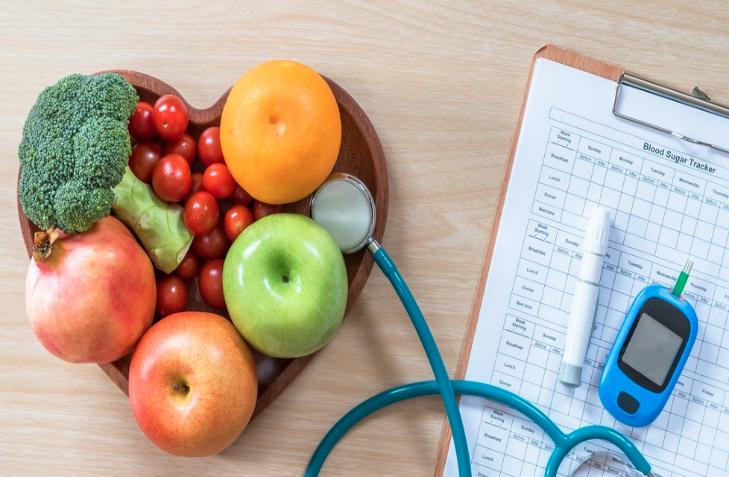
Diabetes During Pregnancy: Why Awareness Matters for Every Mother

Pregnancy is a beautiful journey, but it also comes with physical and hormonal changes that require special care. One such concern is diabetes during pregnancy, also known as gestational diabetes. As an experienced gynecologist in South Delhi, Dr. Shelly Singh emphasizes that awareness and early management are key to ensuring the health of both mother and baby.

What Is Diabetes During Pregnancy?

Diabetes during pregnancy occurs when blood sugar levels rise higher than normal during gestation. This condition can affect women who have never had diabetes before and usually develops in the second or third trimester.

Why Awareness Is Important

Many women may not realize they have gestational diabetes until routine tests reveal it. Lack of awareness can lead to complications such as:

  • High birth weight in babies
  • Premature delivery
  • High blood pressure during pregnancy
  • Cesarean delivery or delivery complications

By staying informed and undergoing regular prenatal checkups, women can identify risks early and take preventive steps.

How Diabetes Affects Mother and Baby

Uncontrolled diabetes during pregnancy can lead to health risks for both mother and child. Mothers may experience increased fatigue, infections, or delivery challenges, while babies may face low blood sugar levels or breathing issues after birth.

With proper antenatal monitoring and regular checkups, both mother and baby can stay safe and healthy throughout the pregnancy journey.

Symptoms of Diabetes During Pregnancy

Most women do not notice major symptoms. However, some may experience:

  • Unusual tiredness or fatigue
  • Increased thirst or hunger
  • Frequent urination
  • Blurred vision

If you notice any of these signs, consult your gynaecologist immediately.

How Is It Diagnosed?

Doctors usually recommend a glucose tolerance test between 24 to 28 weeks of pregnancy.
If you have risk factors, your doctor may advise earlier testing. Early diagnosis helps manage the condition effectively and ensures a safe pregnancy.

Management and Care

Managing pregnancy and diabetes requires a balanced approach that includes:

  • Regular blood sugar monitoring
  • A nutritious, well-balanced diet
  • Gentle exercise suited for pregnancy
  • Routine antenatal visits and diagnostic tests
  • Continuous medical guidance and lifestyle adjustments

Proper awareness, early diagnosis, and consistent care make it possible to maintain good health for both mother and baby.

Nutritious

Expert Guidance at Dr. Shelly Singh’s Clinic

Dr. Shelly Singh offers comprehensive pregnancy care for women with diabetes, prioritizing safety, comfort, and long-term wellness. Her approach combines medical precision with compassionate support, ensuring mothers feel confident and cared for during every stage of pregnancy.

FAQs

1. Can I have a normal delivery if I have gestational diabetes?
Yes, with proper care and sugar control, many women can have a normal delivery.

2. Will my baby be affected by my diabetes?
With regular checkups and controlled sugar levels, most babies are born healthy.

3. Should I check my sugar levels after delivery?
Yes, post-delivery sugar tests are important to ensure your blood sugar returns to normal.

Conclusion

Awareness is the foundation of a healthy pregnancy. Understanding how diabetes in pregnancy affects your body—and taking timely medical advice—can prevent complications and ensure a smoother journey to motherhood.

If you’re expecting and want expert guidance on managing diabetes during pregnancy, schedule a consultation with Dr. Shelly Singh today. With personalized care and dedicated support, she helps every mother experience a safe and healthy pregnancy.

Looking for the Best Gynecologist in Delhi NCR? Contact Dr.Shelly Singh Today!  

Can Pollution Affect Fertility? What Every Woman Must Know About AQI and Fertility

Air pollution has become a silent threat, affecting far more than just our lungs. With the Air Quality Index (AQI) worsening, pollutants in the air are now linked to hormonal imbalance, menstrual disturbances, reduced egg and sperm quality, and declining fertility. Many women today experience stress, irritability, and fatigue without realizing that environmental toxins may be playing a major role.

How Air Pollution Affects the Reproductive System

When we breathe polluted air, harmful particles and chemicals enter the bloodstream. These pollutants create oxidative stress and inflammation, which can damage reproductive cells and disrupt hormone function.

Major pollutants that affect fertility include:

  • PM2.5 and PM10 (Particulate matter)
  • Sulphur Dioxide (SO2)
  • Nitrogen Dioxide (NO2)
  • Carbon Monoxide (CO)
  • Ozone (O3)

These substances are known to be gametotoxic, meaning they can damage eggs and sperm.

Impact on Women’s Fertility

For a healthy pregnancy, a woman needs both good egg quality and ovarian reserve (number of eggs available).
However, pollutants like PM2.5 have been shown to reduce ovarian reserve, leading to lower AMH levels and fewer antral follicles.

Pollution can cause:

  • Hormonal imbalances
  • Irregular or painful periods
  • Poor ovulation (or no ovulation)
  • Difficulty in conception
  • Higher risk of miscarriage

Some pollutants act as endocrine disruptors, meaning they mimic or block reproductive hormones, disturbing menstruation and pregnancy pathways. The uterine lining may also be affected, reducing the chances of successful embryo implantation, even during IVF.

The “Environmental Fertility Loop”

High pollution → oxidative stress → poor egg & sperm quality → hormonal imbalance → reduced fertility → increased stress → worsened reproductive health.

This cycle continues unless we actively intervene.

What Can Be Done?

According to Dr. Shelly Singh, awareness and early action are key. Women and couples who are planning pregnancy or undergoing fertility treatment should:

  • Monitor AMH and ovarian reserve early
  • Improve antioxidant intake (e.g., Vitamin E, Vitamin C, Omega-3)
  • Use indoor air filters & N95 masks outdoors
  • Reduce exposure to vehicle-heavy areas
  • Follow medical guidance for hormonal and reproductive health

Final Thought

Air pollution is not just an environmental or respiratory problem — it is a reproductive health challenge affecting the future of families. By recognizing its impact and seeking early, personalized medical care, we can break this environmental fertility loop and ensure healthier generations ahead.

Looking for the Best Gynecologist in Delhi NCR? Contact Dr.Shelly Singh Today!!!

Top Body Parts Affected During Pregnancy– Dr. Shelly Singh

Pregnancy is a beautiful journey, but it also brings many body changes during pregnancy. As your body prepares to nurture new life, several areas undergo transformation — some visible, others more subtle. Understanding these pregnancy physical changes can help you stay comfortable, confident, and healthy throughout your pregnancy.

Under the guidance of Dr. Shelly Singh, a leading gynecologist in South Delhi, here’s what you can expect — and how to care for your body during this special time.

1. The Hormonal Shift – The Root of All Changes

Hormones such as estrogen, progesterone, and relaxin surge during pregnancy, affecting nearly every system in your body. These hormonal shifts can cause mood swings, fatigue, skin changes, and muscle relaxation.

Hormonal Shift

Solution:

  • Maintain a regular sleep routine and a balanced diet.
  • Stay hydrated and include fiber-rich foods to manage digestion.
  • Gentle yoga or meditation can help balance mood and energy.
  • Schedule regular prenatal visits with Dr. Shelly Singh to monitor hormonal health.

2. Breasts and Chest – Preparing for Motherhood

Your breasts begin preparing for breastfeeding early in pregnancy. You may notice tenderness, heaviness, enlargement, or darkened nipples and more visible veins.

Solution:

  • Wear a well-fitting maternity or sports bra for support.
  • Avoid harsh soaps on the nipples.
  • A gentle massage with natural oils can relieve discomfort.
  • Maintain good posture to reduce strain on your upper back.
 Breasts and Chest

3. Abdomen and Pelvic Region – The Centre of Transformation

As the baby grows, your belly expands and abdominal muscles stretch. Some women may experience mild round ligament pain or separation of abdominal muscles (diastasis recti). Pelvic floor muscles also bear extra pressure.

Solution:

  • Practise light stretching and pelvic tilts as advised by doctor.
  • Perform Kegel exercises to strengthen pelvic floor muscles.
  • Use a maternity support belt if needed.
  • Moisturize your belly daily to reduce stretch marks and skin itchiness.

4. Back and Spine – The Posture Struggle

Shifts in posture due to belly growth can cause back pain or discomfort in the lower spine.

Back and Spine

Solution:

  • Sit with a straight back and use lumbar support.
  • Avoid standing for prolonged periods; wear flat, supportive shoes.
  • Gentle prenatal yoga or stretches can help maintain flexibility.
  • Use a warm compress or prenatal massage after consulting doctor.

5. Legs and Feet – Bearing the Weight

Increased weight and fluid retention can lead to swelling, cramps, or varicose veins in the legs and feet.

Solution:

  • Elevate your legs whenever possible.
  • Stay active with short walks or gentle prenatal exercises.
  • Sleep on your left side to improve circulation.
  • Drink plenty of water and limit excessive salt.
  • Avoid sitting with crossed legs for long periods.
Legs and Feet – Bearing the Weight

6. Skin, Hair, and Face – The Beauty and the Blemishes

Hormonal changes can affect your skin, hair, and nails — giving some women a natural glow and others acne or pigmentation (melasma). Hair may grow faster or become more brittle.

Solution:

  • Follow a gentle, pregnancy-safe skincare routine.
  • Always use sunscreen to prevent pigmentation.
  • Eat antioxidant-rich foods for skin health.
  • Consult your doctor before using any new creams or treatments.

7. Emotional and Cognitive Changes – Mind and Mood

Emotional ups and downs, irritability, or forgetfulness are common due to hormonal fluctuations.

Emotional and Cognitive Changes – Mind and Mood

Solution:

  • Take breaks, rest well, and prioritize mental health.
  • Share your feelings with your partner or loved ones.
  • Try journaling, meditation, or light prenatal exercises to relieve stress.
  • Seek professional help if you feel persistently anxious or depressed.

8. How to Manage and Support Your Changing Body

Caring for yourself helps your body adapt and reduces discomfort.

Tips for a Healthy Pregnancy:

  • Eat balanced meals rich in iron, calcium, and protein.
  • Stay hydrated and manage gradual weight gain.
  • Get sufficient sleep and rest on your side to aid circulation.
  • Keep all prenatal appointments for ongoing monitoring of both mother and baby.

9. When to Seek Medical Advice

Some changes require prompt attention. Contact your gynecologist if you notice:

  • Sudden or severe swelling in the hands, face, or feet
  • Persistent headaches or vision changes
  • Unusual pain, bleeding, or fluid leakage
  • Reduced fetal movements

Early consultation ensures both your safety and your baby’s well-being.

10. FAQs – Common Questions About Pregnancy Body Changes

1. When do most physical changes begin?
Most changes start in the first trimester, with more noticeable effects in the second and third trimesters.

2. Is back pain normal during pregnancy?
Yes. Mild to moderate back pain is common and can be eased with posture care, stretching, and rest.

3. How can I manage swelling in my feet?
Elevate your legs, stay active, and wear comfortable shoes. Proper hydration can also reduce swelling.

4. Will my body return to normal after delivery?
Many changes gradually reverse postpartum. Gentle exercise, healthy eating, and adequate rest help regain strength and tone.

Conclusion

Pregnancy brings extraordinary body changes — each preparing your body for the miracle of life. While discomforts are normal, most can be managed with care, rest, and professional guidance.

With Dr. Shelly Singh, one of Delhi NCR’s leading gynecologist you can navigate every phase of pregnancy with confidence, comfort, and expert care.

Book a consultation today to ensure the best care for you and your baby throughout your pregnancy journey.

Top Risk Factors for Breast Cancer and How to Reduce Them

Breast cancer is a significant health concern for women worldwide, including in Delhi NCR. Understanding the top risk factors for breast cancer and implementing preventive measures can significantly reduce the likelihood of developing this disease. In this comprehensive guide, we’ll explore these risk factors and provide actionable steps to mitigate them, with expert insights from Dr. Shelly Singh, a renowned Gynecologist in Delhi NCR.

Understanding the Top Risk Factors for Breast Cancer

Several factors contribute to the risk of developing breast cancer. While some are beyond our control, many are influenced by lifestyle choices and environmental exposures.

1. Age and Gender

The risk of breast cancer increases with age, particularly after 50. Women are at a higher risk, though men can also develop breast cancer.

2. Family History and Genetics

Having a first-degree relative (mother, sister, or daughter) with breast cancer doubles the risk. Inherited mutations in genes like BRCA1 and BRCA2 also elevate risk levels.

3. Hormonal Factors

Early menstruation (before 12) and late menopause (after 55) extend lifetime exposure to estrogen, increasing breast cancer risk.

4. Lifestyle Choices

Excessive alcohol consumption, smoking, and a sedentary lifestyle are modifiable risk factors that can be controlled through conscious lifestyle changes.

5. Radiation Exposure

Previous radiation therapy to the chest area, especially during childhood, can increase the risk of developing breast cancer later in life.

How to Reduce Your Risk: Expert Advice from Dr. Shelly Singh

Early detection and regular monitoring are key to lowering the risk of breast cancer. Dr. Shelly Singh recommends the following strategies:

  • Breast Self-Awareness
    Become familiar with the look and feel of your breasts to notice any unusual changes early. Monthly self-checks can help detect lumps or other abnormalities.
  • Breast Examination by a Doctor
    Schedule regular clinical breast exams with a gynecologist or breast specialist. A professional exam can identify issues that may not be noticeable during self-checks.
  • Ultrasound of the Breasts
    For women with dense breast tissue or higher risk, a breast ultrasound is a safe and effective way to detect abnormalities early.
  • Annual Mammography
    Mammograms remain one of the most reliable methods for early detection of breast cancer. Women over 40 or at higher risk should have a mammogram every year.
  • MRI of the Breast
    In high-risk cases, an MRI can provide detailed imaging to detect tumors that may not appear on a mammogram or ultrasound.

Importance of Early Detection in Delhi NCR

In Delhi NCR, where lifestyle-related risk factors are prevalent, early detection becomes even more critical. Regular screenings and awareness can lead to early-stage detection, which is often more treatable.

FAQs

Q1: What are the primary risk factors for breast cancer?
 The primary risk factors include age, gender, family history, hormonal factors, lifestyle choices, and previous radiation exposure.

Q2: Can lifestyle changes reduce the risk of breast cancer?
 Yes, adopting a healthy lifestyle by maintaining a healthy weight, engaging in regular physical activity, limiting alcohol consumption, and breastfeeding can significantly reduce the risk.

Q3: How often should I get screened for breast cancer?
 Women aged 40 and above should undergo regular mammograms every 1-2 years. However, individuals with a family history of breast cancer should consult Dr. Shelly Singh for personalized screening recommendations.

Q4: Is breast cancer preventable?
 While not all cases of breast cancer are preventable, many risk factors can be managed through lifestyle changes and regular screenings.

Call to Action:

 Schedule a consultation with Dr. Shelly Singh today to discuss your breast cancer risk and preventive strategies tailored to your needs.

Heart Health and Menopause: Why Women Need Extra Care

Menopause is a natural phase in every woman’s life, usually occurring between the ages of 45 and 55. While it brings hormonal changes and physical adjustments, one often-overlooked concern is heart health and menopause: why women need extra care. Women face an increased risk of cardiovascular issues during and after menopause due to declining estrogen levels. This blog will help you understand the link between menopause and heart health and offer practical tips to safeguard your heart.

Understanding the Connection Between Menopause and Heart Health

During menopause, estrogen levels drop, which plays a protective role in heart health. Reduced estrogen can lead to:

  • Increased blood pressure

  • Unfavorable cholesterol changes

  • Higher risk of heart disease

According to Dr Shelly Singh, women should prioritize heart health during this stage because early preventive care can reduce long-term risks.

Key Risk Factors for Women

Women in menopause may face unique heart risks, including:

  1. Hormonal Changes – Reduced estrogen affects arterial flexibility.

  2. Weight Gain – Menopause often causes abdominal fat accumulation, increasing cardiovascular risk.

  3. Lifestyle Factors – Sedentary lifestyle, stress, and unhealthy eating habits amplify risks.

  4. Family History – Genetic predisposition makes monitoring crucial.

Understanding these risk factors helps women take actionable steps toward better heart health.

Signs That Your Heart May Be at Risk

Recognizing early symptoms of heart problems can save lives. Keep an eye out for:

  • Persistent chest discomfort or pressure

  • Shortness of breath even during light activity

  • Unexplained fatigue or irregular heartbeats

  • Swelling in the feet, ankles, or legs

Regular check-ups with your doctor are crucial for early detection and prevention of serious heart complications. Don’t wait—listen to your heart.

Practical Tips for Maintaining Heart Health During Menopause

1. Balanced Diet

A heart-friendly diet rich in fruits, vegetables, whole grains, and lean proteins can significantly reduce risks. Limit processed foods, excess sugar, and salt.

2. Regular Exercise

Engaging in at least 30 minutes of moderate exercise, like walking or swimming, helps maintain healthy blood pressure and cholesterol levels.

3. Stress Management

Chronic stress can worsen heart conditions. Yoga, meditation, and mindfulness are highly effective stress-reducing strategies.

4. Routine Health Check-ups

Regular monitoring of blood pressure, cholesterol, and heart rate is vital. Women should consult Dr Shelly Singh for personalized heart health plans.

5. Healthy Lifestyle Choices

Quit smoking, limit alcohol intake, and ensure adequate sleep. These factors play a crucial role in preserving heart health and menopause: why women need extra care.

The Role of Hormone Replacement Therapy (HRT)

Hormone replacement therapy can be an effective way for some women to manage menopause symptoms while supporting heart health. By restoring estrogen levels, HRT may enhance arterial flexibility and help lower cardiovascular risk. However, it may not be suitable for everyone, particularly those with certain medical conditions, and should always be prescribed and monitored by a qualified healthcare professional. Consulting Dr. Shelly Singh can help determine whether HRT is a safe and appropriate option for your individual health needs, alongside other heart-protective strategies.

Why Early Intervention Matters

Ignoring heart health during menopause can lead to severe conditions such as heart attacks, strokes, or chronic heart disease. Early detection, lifestyle modifications, and medical supervision from experts like Dr Shelly Singh can make a significant difference.

FAQs

Q1: Does menopause always increase heart disease risk?
 Not always, but declining estrogen levels during menopause do increase susceptibility. Lifestyle changes can mitigate this risk.

Q2: How often should women check their heart health during menopause?
 It is recommended to have at least annual cardiovascular check-ups, including blood pressure, cholesterol, and ECG tests.

Q3: Can diet alone prevent heart disease during menopause?
 While diet is crucial, combining it with exercise, stress management, and regular health check-ups provides the best protection.

Q4: Why is heart health a concern during menopause?

During menopause, hormonal changes can increase the risk of heart disease, making regular check-ups essential.

Call To Action

Call Dr Shelly Singh today in Delhi NCR for a comprehensive heart health consultation and personalized preventive strategies!