Home

Normal Delivery vs C-Section: Which Is Better for Mother and Baby?

Normal Delivery vs C-Section: Which Is Better for Mother and Baby?

Pregnancy brings joy, excitement, and also one important question: how should the baby be delivered? Many expecting mothers often ask whether a normal delivery is better or if a Csection is safer.

When discussing normal delivery vs C-section, the answer is not always the same for every woman. The right choice depends on the medical condition, pregnancy health, and expert medical advice.

According to experienced gynaecologists like Dr Shelly Singh, the safest delivery method is the one that protects both mother and baby based on individual circumstances — not trends or fear.

Normal Delivery vs C-Section

Understanding Normal Delivery

Normal delivery, also called vaginal birth, is the natural process in which the baby is delivered through the birth canal without surgical intervention.

Benefits of Normal Delivery

  • Shorter hospital stays
  • Faster recovery
  • Lower risk of surgical complications
  • Early initiation of breastfeeding
  • Better respiratory adaptation for the baby

Most healthy pregnancies are encouraged to attempt vaginal birth unless there are medical reasons to avoid it.

However, labour pain, prolonged labour, or foetal distress may require medical intervention.

Understanding C-Section (Cesarean Delivery)

A C-section is a surgical procedure in which the baby is delivered through an incision in the abdomen and uterus.

When Is a C-Section Necessary?

  • Placenta praevia
  • Breech baby position
  • Twin or multiple pregnancy complications
  • Previous uterine surgery
  • Fetal distress
  • High blood pressure or diabetes complications

Normal Delivery vs C-Section: Safety Comparison

When comparing normal delivery vs C-section, safety depends on the pregnancy condition rather than personal preference alone.

For the mother

Factor Normal Delivery C-Section
Recovery Faster Slower (4–6 weeks)
Infection Risk Lower Slightly Higher
Blood Loss Less More
Hospital Stay Short Longer

For the Baby

  • Babies born via normal delivery may have better lung function initially.
  • C-section babies may sometimes experience temporary breathing issues.
  • In emergency cases, a C-section can prevent serious complications.

Which Delivery Is More Painful?

The pain experience varies.

  • Normal delivery involves labour pain, but recovery is quicker.
  • A C-section avoids labour pain (if planned), but post-surgical pain lasts longer.

With modern pain management techniques, both methods are manageable under proper medical supervision.

Recovery Differences

In the debate of normal delivery vs C-section, recovery is a major factor.

  • Normal delivery recovery: 1–2 weeks for most daily activities
  • C-section recovery: 4–6 weeks due to surgical healing

Women who undergo a C-section are advised to avoid heavy lifting and intense physical activity initially.

Long-Term Considerations

Repeated C-sections may increase risks in future pregnancies, such as:

  • Placenta accreta
  • Uterine rupture
  • Surgical adhesions

Normal delivery, when medically safe, generally carries fewer long-term risks. However, attempting vaginal birth when not advised can also be dangerous.

Expert Opinion: What Do Gynecologists Recommend?

Most experienced specialists, including Dr. Shelly Singh, emphasise that the goal is always a safe mother and a healthy baby.

  • If the pregnancy is low-risk, a normal delivery is usually preferred.
  • If complications arise, a C-section is the safer option.

The decision should never be based on fear, social pressure, or convenience. It must be guided by medical evaluation and professional monitoring.

Can You Choose Your Delivery Method?

Many women ask if they can choose between a normal delivery and a C-section.

While preferences matter, doctors assess:

  • Pelvic adequacy
  • Baby’s size and position
  • Medical history
  • Pregnancy complications Ultimately, safety takes priority over choice.

Final Verdict: Which Is Better?

There is no universal winner in normal delivery vs C-section.

  • Normal delivery is generally safer for low-risk pregnancies.
  • A C-section is safer when medical complications exist.

The best delivery method is personalised, carefully evaluated, and supervised by an experienced gynaecologist.

Every pregnancy is unique — and so is every birth story.

FAQ Section

Q1. Is a normal delivery safer than a C-section?

In low-risk pregnancies, normal delivery is usually safer and involves quicker recovery.

Q2. Is a C-section more painful than a normal delivery?

A C-section avoids labour pain but involves post-surgical recovery pain.

Q3. Can I have a normal delivery after a previous C-section?

In selected cases, VBAC (Vaginal Birth After Caesarean) may be possible after medical evaluation.

Q4. Which delivery is better for the baby?

Both are safe when medically indicated. The safest option depends on the pregnancy condition.

Looking for the best gynaecologist in Delhi NCR? Contact Dr Shelly Singh today!!!

Vaginal Infections in Women: Causes, Symptoms, Treatment

Vaginal Infections in Women: Causes, Symptoms, Treatment & Prevention

Vaginal infections are one of the most common women’s health concerns affecting females of all age groups. While many infections are mild, ignoring symptoms can lead to discomfort and long-term complications. Maintaining proper hygiene, understanding early warning signs, and consulting an experienced gynecologist in Delhi can ensure timely diagnosis and effective treatment.
Dr. Shelly Singh, a trusted women’s health specialist in Delhi, provides personalized care and advanced treatment options for vaginal infections to help women regain comfort and confidence.

Common Causes of Vaginal Infections

Understanding the causes helps in prevention and long-term management

1. Bacterial Vaginosis (BV)

• Caused by an imbalance in
natural vaginal bacteria
• Symptoms include abnormal
discharge, odor, and irritation

2. Yeast Infection (Candidiasis)

• Occurs due to overgrowth of
Candida fungus
• Causes itching, burning sensation, and thick white discharge

3. Sexually Transmitted Infections (STIs)

• Includes Chlamydia, Gonorrhea, and Trichomoniasis
• May lead to vaginal pain, discharge, and serious health risks if untreated

4. Hormonal Changes

• Pregnancy, menopause, and menstruation can affect vaginal pH
• Reduced immunity increases infection risk

5. Poor Hygiene & Irritation

• Harsh soaps, perfumed products, and tight clothing
• Excess moisture and poor hygiene habits

Symptoms of Vaginal Infections

Early recognition leads to faster recovery. Watch for:
• Abnormal vaginal discharge (white, gray, yellow, or greenish)
• Strong or unpleasant odor
• Vaginal itching or irritation
• Burning sensation during urination
• Pain during sexual activity
If you experience any of these symptoms, consult a gynecologist in Delhi immediately for proper diagnosis.

Treatment Options for Vaginal Infections

Treatment depends on infection type
and severity.

Antifungal Medications

Used for yeast infections in the form
of creams, gels, or oral tablets.

Antibiotics

Prescribed for bacterial infections and certain STIs by a qualified doctor

Lifestyle & Hygiene Improvements

• Maintain intimate hygiene
• Wear breathable cotton underwear
• Avoid scented products and harsh soaps

Regular Gynecological Checkups

Routine screening at a women’s health clinic in Delhi helps prevent recurrence and detect infections early.

Dr. Shelly Singh offers customized treatment plans designed according to each patient’s health condition and medical history.

Prevention Tips for Vaginal Infections

• Maintain proper intimate hygiene
• Use mild, fragrance-free products
• Wear loose and breathable cotton underwear
• Practice safe sexual habits and regular STI testing
• Avoid douching or excessive washing
• Schedule regular gynecological consultations

Why Choose Dr. Shelly Singh – Gynecologist in Delhi NCR

• Extensive experience in women’s healthcare
• Advanced diagnostic and treatment methods
• Confidential, compassionate patient care
• Personalized treatment plans
• Focus on prevention and long-term wellness

Conclusion

Vaginal infections are common but manageable with early diagnosis and proper medical care. Understanding symptoms, maintaining hygiene, and consulting an experienced gynecologist in Delhi NCR can help prevent complications and ensure faster recovery. If you are experiencing discomfort or unusual symptoms, consult Dr. Shelly Singh for expert guidance and safe treatment options. Early care leads to better health, comfort, and confidence.

First Signs of Pregnancy: Week by Week Symptoms Women Know

First Signs of Pregnancy: Week by Week Symptoms Every Woman Should Know

Pregnancy frequently starts with small bodily and emotional adjustments that many women may forget. Understanding early pregnancy signs week by week allows ladies to recognise early signs and seek timely medical advice. Gynaecologists like Dr Shelly Singh often emphasise that each pregnancy is unique, and signs can range from one person to another. This easy week-wise guide explains the early signs and symptoms in an easy-to-understand
way so women can feel more aware and confident about their health.

Weeks 1–2: Early Changes Begin

During the initial phase, many ladies might not notice apparent symptoms. However, subtle changes such as mild
fatigue, moderate mood swings, and breast sensitivity may be seen. Tracking early pregnancy signs and symptoms week by week can help girl differentiate regular hormonal adjustments from possible pregnancy signs. Some ladies may also experience light spotting or mild cramps, which may be mistaken for upcoming periods. Listening to your body during this stage is important.

Week 3: First Noticeable Signs

By the third week, fertilisation may have occurred. Early signs can include increased tiredness, slight nausea, and a heightened sense of smell. When observing early pregnancy signs week by week, girls may notice changes in their appetite or unusual food preferences. Hormonal changes during this period may also cause emotional fluctuations or slight headaches, which are completely normal in early pregnancy.

Week 4: Missed Period and Stronger Symptoms

Around the fourth week, a missed period becomes one of the most common indicators. Other notable early pregnancy signs week by week may include:
• Tender or swollen breasts
• Frequent urination
• Mild lower stomach pain
• Increased fatigue
At this stage, many women consider taking a pregnancy test to confirm their condition.

Common Early Pregnancy Symptoms Most Women Experience

Understanding early pregnancy symptoms week by week helps in identifying common symptoms, including:
• Nausea or morning sickness
• Food cravings or aversions
• Light dizziness
• Mood swings
• Increased sensitivity to smell
These symptoms usually appear gradually and may vary in intensity. Some women may have very mild symptoms, while others experience stronger physical changes.

When Should You Visit a Gynaecologist?

Recognising early pregnancy symptoms week by week is helpful; however, professional medical advice is important for confirmation and guidance. Gynaecologists like Dr Shelly Singh normally suggest visiting a doctor after a positive pregnancy test or if symptoms become concerning. Consult a doctor immediately if you notice:
• Severe stomach pain
• Heavy bleeding
• Persistent vomiting
• High fever
Early consultation ensures both maternal and foetal health are monitored from the beginning.

Tips for Managing Early Pregnancy Symptoms

Tracking early pregnancy signs week by week allows women to manage early discomfort effectively. Some helpful tips include:
• Eat small, frequent meals
• Stay hydrated
• Get adequate rest
• Avoid strong smells if nausea increases
• Maintain light physical activity as recommended by a doctor
Simple lifestyle changes can make early pregnancy more comfortable and less stressful.

Final Thoughts

Understanding early pregnancy signs and symptoms week by week allows women to become more aware of their bodies and take timely action when needed. While early symptoms provide important clues, proper diagnosis and guidance from a qualified gynaecologist remain essential for a healthy pregnancy journey.
Every pregnancy experience is different, and staying informed with reliable medical advice ensures better care for both mother and baby.

Looking for the best gynaecologist in Delhi NCR? Contact Dr Shelly Singh
today!!!

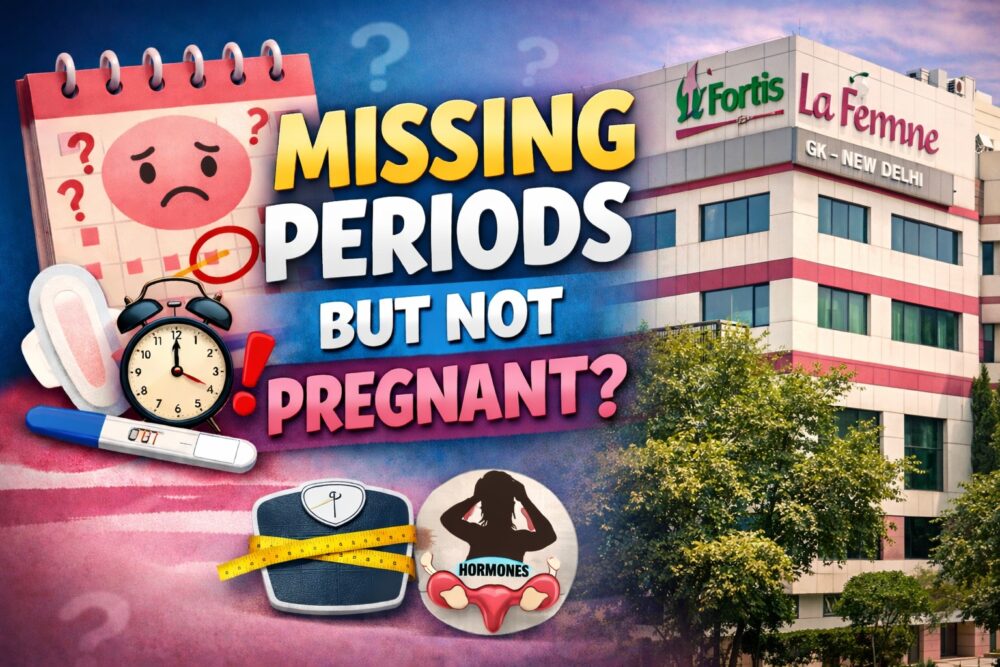
Missing Periods but Not Pregnant: 10 Possible Reasons

Missing your periods can be distressing—especially when pregnancy tests come back negative. Many women visit hospitals feeling worried, anxious, and confused about what’s

happening to their bodies. The truth is,
missing periods but not pregnant is a
common issue and is often linked to
underlying health or lifestyle factors.
As a trusted gynecologist in Delhi, Dr.
Shelly Singh regularly helps women
identify the cause of delayed 

or missed periods and provides personalized treatment plans. Let’s understand the 10 most common reasons behind missed periods and why timely medical care is
important.

1) Stress and Emotional Imbalance

High stress levels can disrupt the hormonal signals between your brain and ovaries. Work pressure, personal issues, anxiety, or lack of sleep may delay ovulation, leading to missed periods. If stress is ongoing, consult a specialist for missing periods but not pregnant treatment in Delhi to prevent long-term menstrual irregularities.

2) Hormonal Imbalance

Hormones play a vital role in regulating the menstrual cycle. Thyroid disorders, elevated prolactin levels, or estrogen imbalance can easily cause missed periods.
A detailed hormonal evaluation by an experienced women’s health doctor in Delhi can help identify the exact issue.

3) Polycystic Ovary Syndrome (PCOS)

PCOS is one of the most common causes of irregular or missed periods. Symptoms may include:
• Acne
• Excess facial hair
• Weight gain
• Irregular menstrual cycles
Early diagnosis and lifestyle-based treatment can effectively manage PCOS and help restore regular periods.

4) Sudden Weight Loss or Weight Gain

Extreme changes in body weight affect estrogen production. Rapid dieting, excessive workouts, or obesity can interfere with ovulation and result in missed periods. Medical guidance is essential if periods are delayed for more than two months.

5) Excessive Exercise

Over-exercising without proper nutrition puts stress on the body, leading to menstrual cycle disturbances. Athletes and fitness enthusiasts often experience this issue

6) Thyroid Disorders

Both hypothyroidism and hyperthyroidism are often overlooked causes of missed periods. Symptoms may include fatigue, hair loss, mood changes, and menstrual irregularities. Thyroid testing is an important part of irregular periods treatment.

7) Certain Medications

Some medications—such as antidepressants, hormonal contraceptives, chemotherapy drugs, or emergency contraceptive pills—can affect the menstrual cycle. Never stop or change medication without consulting your gynecologist

8) Perimenopause

Women in their late 30s or 40s may experience irregular cycles as the body transitions toward menopause. Missed periods during this phase are common but should still be medically evaluated.

9) Chronic Medical Conditions

Conditions like diabetes, celiac disease, or autoimmune disorders can interfere with hormone levels and menstrual health. Managing the underlying condition often helps restore cycle regularity.

10) Post-Pregnancy or Breastfeeding

If you’ve recently delivered a baby or are breastfeeding, it’s normal for periods to be delayed for several months. However, prolonged absence of menstruation should be assessed by a gynecologist in Delhi.

When Should You See a doctor?

You should seek medical advice if:
• Periods are absent for more than 2 months
• Pregnancy tests are negative
• You experience severe pain or heavy bleeding
• Menstrual cycles are frequently irregular
Early diagnosis helps prevent complications related to fertility and hormonal health

Expert Care for Missed Periods in Delhi

Dr. Shelly Singh is a highly experienced gynecologist known for her compassionate,
evidence-based approach to women’s health. If you’re looking for reliable treatment for
missing periods but not pregnant in Delhi, her hospital offers:
• Personalized diagnosis
• Advanced hormonal testing
• PCOS and thyroid management
• Lifestyle and medical treatment plans
Conveniently located in Delhi, Dr. Shelly Singh provides trusted care for menstrual and hormonal concerns.

Book an Appointment Today

Ignoring missed periods can lead to long-term reproductive health issues. If you’re
experiencing delayed or irregular cycles, don’t wait.
Consult Dr. Shelly Singh, Gynecologist in Delhi, for expert evaluation and
effective treatment.

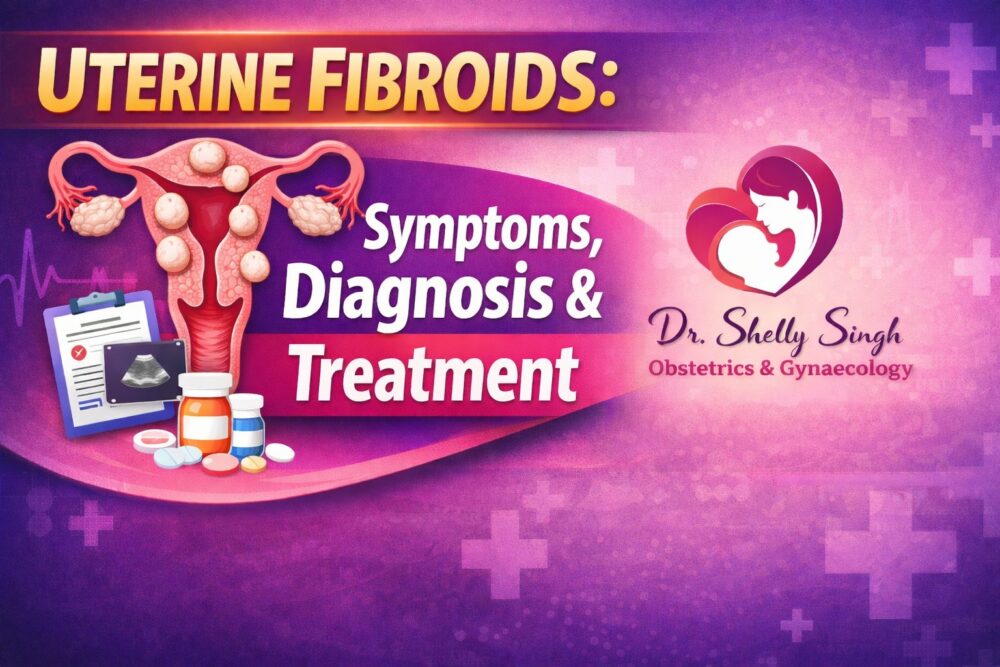
Uterine Fibroids: Symptoms, Diagnosis & Treatment

Uterine fibroids are one of the most common gynecological conditions affecting women, especially during their reproductive years. While many fibroids are harmless and asymptomatic, some can cause significant discomfort and interfere with daily life. Early
diagnosis and the right treatment approach can help manage symptoms effectively and
prevent complications. Dr Shelly Singh, a leading gynecologist, offers comprehensive and personalized care for women dealing with uterine fibroids in Delhi and nearby areas.

What Are Uterine Fibroids?

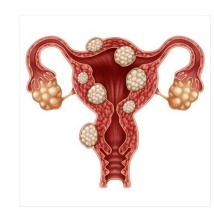
Uterine fibroids, also known as leiomyomas, are non-cancerous growths that develop in or around the uterus. They vary in size, number, and location. Some women may have a single fibroid, while others may develop multiple fibroids at the same time. Although fibroids are not life-threatening, they can significantly impact a woman’s quality of life if left untreated.

Common Symptoms of Uterine Fibroids

Many women with uterine fibroids experience no symptoms at all. However, when symptoms do appear, they can range from mild to severe. Common signs include:
• Heavy or prolonged menstrual bleeding
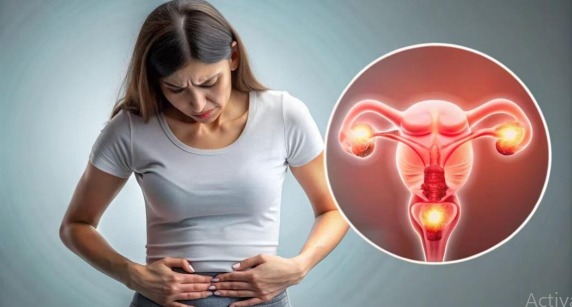
• Pelvic pain or pressure
• Lower back pain
• Frequent urination
• Constipation
• Pain during intercourse
• Abdominal bloating or swelling
• Difficulty conceiving or pregnancy complications
If these symptoms persist, consulting a gynecologist is important for timely diagnosis and treatment.

Causes and Risk Factors

The exact cause of uterine fibroids is not fully understood, but several factors may increase the risk, including:

• Hormonal imbalance (estrogen and
progesterone)
• Family history of fibroids
• Early onset of menstruation
• Obesity
• Lifestyle factors and stress

A detailed evaluation helps determine the best management plan based on individual risk factors.

Diagnosis of Uterine Fibroids

Accurate diagnosis is essential to decide the most appropriate treatment approach. Dr Shelly Singh follows a thorough diagnostic process, which may include:
1. Pelvic Examination
A routine gynecological exam may reveal irregularities in the shape or size of the uterus.
2. Ultrasound
A pelvic or transvaginal ultrasound is the most common and reliable method to confirm the presence, size, and location of fibroids.
3. Advanced Imaging (If Required)
In certain cases, MRI or other imaging tests may be recommended for detailed evaluation. Early diagnosis allows for better symptom control and prevents unnecessary complications.

Treatment Options for Uterine Fibroids

Treatment for uterine fibroids depends on factors such as symptom severity, fibroid size, age, and future pregnancy plans. Dr Shelly Singh offers personalized treatment plans tailored to each patient’s needs.
1. Medication Management
For mild symptoms, medications may help control heavy bleeding and pain. These treatments focus on symptom relief rather than removing fibroids.
2. Hormonal Therapy
Hormonal treatments may be advised to regulate menstrual cycles and reduce fibroid-related symptoms.
3. Minimally Invasive Procedures
In selected cases, minimally invasive procedures can effectively manage fibroids while
preserving the uterus.
4. Surgical Treatment
Surgery may be recommended for large or multiple fibroids causing severe symptoms.
Surgical options are discussed carefully, keeping fertility and long-term health in mind.

Can Uterine Fibroids Affect Fertility?

While many women with fibroids conceive naturally, certain fibroids can interfere with
fertility or pregnancy. Depending on their location and size, fibroids may affect implantation or increase pregnancy-related risks. Women planning pregnancy should consult a gynecologist early to understand how fibroids may impact reproductive health and explore suitable treatment options.

Lifestyle Tips for Managing Fibroid Symptoms

Medical treatment works best when supported by healthy lifestyle choices. Some helpful measures include:
• Maintaining a healthy weight
• Eating a balanced, nutrient-rich diet
• Regular physical activity
• Managing stress through relaxation techniques
• Avoiding excessive caffeine and processed foods
These steps may help reduce symptom severity and improve overall well-being

When Should You See a Gynecologist?

You should seek medical advice if you experience:
• Excessive or irregular menstrual bleeding
• Persistent pelvic pain or pressure
• Difficulty getting pregnant
• Rapid increase in abdominal size
Early consultation ensures timely treatment and better outcomes.

Why Choose Dr. Shelly Singh for Fibroid Treatment?

Dr. Shelly Singh is a trusted gynecologist known for her patient-centric approach and clinical expertise. She provides comprehensive care for uterine fibroids, focusing on accurate diagnosis, safe treatment options, and long-term health. Women from South Delhi, Greater Kailash, Lajpat Nagar, Defence Colony, Hauz Khas, and nearby areas rely on her for compassionate and advanced gynecological care.

Book an Appointment Today

Uterine fibroids can be effectively managed with the right medical guidance. If you are
experiencing symptoms or have concerns about fibroids, a timely consultation can make all the difference. Book an appointment with Dr Shelly Singh today for expert evaluation and personalized treatment for uterine fibroids.

Menopause Treatment in Delhi Symptoms, Hormone Therapy

Menopause is a natural phase in a woman’s life, but the symptoms can often feel
overwhelming and disruptive. Many women experience physical discomfort, emotional
changes, and long-term health concerns during this transition. With the right medical
guidance, these symptoms can be managed effectively. Menopause treatment in Delhi
focuses on personalized care that helps women regain comfort, confidence, and quality of life. Dr. Shelly Singh, a leading gynecologist, provides compassionate and evidence-based menopause care for women across South Delhi and nearby areas.

Understanding Menopause and Its Impact

Menopause usually occurs between the ages of 45 and 55 and marks the end of menstrual cycles. It is diagnosed after 12 consecutive months without a period. While menopause is natural, the hormonal changes involved can affect multiple aspects of health. Many women searchings for menopause treatment in Delhi do so because symptoms start interfering with daily life, sleep, work, and relationships.

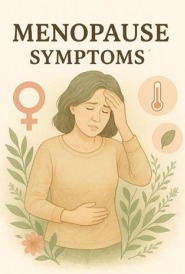
Common Symptoms of Menopause

Menopause symptoms vary from woman to woman. Some experience mild discomfort, while others face severe challenges that require medical care. Common symptoms include:
• Hot flashes and night sweats
• Irregular periods before menopause
• Mood swings, anxiety, or irritability
• Vaginal dryness and discomfort
• Sleep disturbances and fatigue
• Weight gain and slowed metabolism
• Reduced bone density

If these symptoms persist or worsen, consulting a gynecologist for menopause treatment in Delhi can help prevent long-term complications.

Why Professional Menopause Care Matters

Many women try to manage menopause symptoms on their own, but professional care ensures safe and effective treatment. A qualified gynecologist evaluates hormone levels, overall health, and personal risk factors before recommending treatment. Choosing expert menopause treatment in Delhi helps women receive medically supervised solutions rather than temporary relief. Dr. Shelly Singh is known as a trusted gynecologist for menopause in Delhi, offering tailored treatment plans rather than one-size-fits-all approaches.

Also Read: Heart Health and Menopause

Menopausal Hormone Therapy (MHT)

Hormone replacement therapy is one of the most effective options for managing moderate to severe menopause symptoms. It works by restoring declining estrogen and progesterone levels.

Benefits of HRT

• Relief from hot flashes and night sweats
• Improved sleep quality
• Better mood stability
• Reduced risk of osteoporosis
• Heart Health too

Menopausal Hormone Therapy in Delhi should always be prescribed after a detailed
consultation. Dr Shelly Singh carefully evaluates whether HRT is suitable, ensuring safe and balanced menopause treatment in Delhi for each patient.

Non-Hormonal Treatment Options

Not every woman is a candidate for hormone therapy. In such cases, non-hormonal
treatments may be recommended, including:

• Lifestyle and dietary changes
• Calcium and vitamin D supplementation
• Medications for hot flashes or mood changes
• Vaginal treatments for dryness

These options are often part of comprehensive menopause treatment in Delhi, especially for women with specific medical conditions.

Lifestyle Care During Menopause

Medical treatment works best when combined with healthy lifestyle choices. Simple changes can significantly improve menopause symptoms:

• Regular physical activity to support bone and heart health
• A balanced diet rich in fruits, vegetables, and protein
• Stress-management techniques like yoga or meditation
• Maintaining a healthy sleep routine

Women seeking menopause treatment in Delhi are often advised to adopt these habits
alongside medical care for long-term wellness.

When Should You Consult a Menopause Specialist?

You should consult a menopause specialist near me if:

• Symptoms interfere with daily activities
• Sleep problems persist for months
• Emotional changes affect mental health
• There is concern about bone or heart health

Early consultation ensures menopause treatment in Delhi and prevents complications later in life

Why Choose Dr. Shelly Singh for Menopause Care?

Dr. Shelly Singh is widely recognized as one of the best menopause doctors in Delhi. A
Certified Indian Menopause Society (IMS) Credentialed Health Practitioner, she follows
evidence-based, globally accepted protocols to provide safe and effective menopause care. Her patient-focused approach ensures women feel truly heard, supported, and well-informed throughout their treatment journey. Dr. Shelly Singh offers comprehensive menopause treatment in Delhi for women from South Delhi, Greater Kailash, Lajpat Nagar, Defence Colony, Hauz Khas, and nearby areas. Her clinic seamlessly combines modern medical protocols with compassionate, personalized care—empowering women to transition through menopause with confidence, comfort, and long-term well-being.

Book Expert Menopause Care Today

Menopause does not have to limit your comfort or lifestyle. With the right guidance, you can manage symptoms and protect your long-term health. If you are searching for effective menopause treatment in Delhi, expert care is just a consultation away.
Book an appointment with Dr. Shelly Singh today and take the first step toward balanced, healthy menopause care.

Fibroids Treatment: Symptoms, Diagnosis | Dr Shelly Singh (25+ Yrs)

Fibroids Treatment: Symptoms, Diagnosis & Options

Fibroids treatment is one of the most common concerns among women visiting a
gynecologist today. Uterine fibroids are frequently detected during routine ultrasounds or when women experience heavy periods, pelvic pain, or difficulty conceiving. Although the diagnosis can sound alarming, fibroids are usually non-cancerous and manageable with the right medical guidance. According to Dr Shelly Singh, timely evaluation plays a key role in choosing the most appropriate treatment approach. In her 25+ years of clinical experience, Dr Shelly Singh has seen that many women worry unnecessarily about surgery. The fact is that not all fibroids require treatment, and management depends entirely on symptoms, size, and future pregnancy plans.

What Are Uterine Fibroids ?

Fibroids treatment

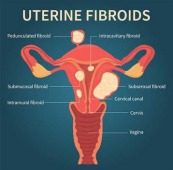
Uterine fibroids are benign growths that develop from the muscular layer of the uterus. They may remain small and
symptom-free or grow large enough to cause discomfort. Hormonal factors, especially estrogen, influence their growth.

Based on location, fibroids are classified as:
● Intramural fibroids – located within the uterine wall
● Submucosal fibroids – growing into the uterine cavity
● Subserosal fibroids – present on the outer surface of the uterus
Understanding the type of fibroid helps in deciding the right fibroids treatment plan.

Common Fibroid Symptoms

Many women with fibroids have no symptoms at all. When symptoms do occur, they
commonly include:
● Heavy or prolonged menstrual bleeding
● Painful periods
● Pelvic pain or pressure
● Frequent urination
● Lower back pain
● Difficulty conceiving
If these fibroids symptoms begin to affect daily life or cause anemia, medical consultation becomes necessary.

How Are Fibroids Diagnosed?

Fibroids diagnosis is usually made through a pelvic examination and ultrasound. Ultrasound helps determine the size, number, and location of fibroids. In certain cases, additional imaging such as MRI may be advised for detailed assessment. Early diagnosis allows better planning and often prevents complications.

Fibroids Treatment Options

Treatment depends on symptoms, age, fibroid size, and reproductive goals

Medical Management

Medicines may help control heavy bleeding and pain. This approach is suitable for women with mild symptoms.

Non-Surgical Fibroids Treatment

Some women may be eligible for non-surgical fibroids treatment, especially when fibroids are small and symptoms are manageable. Proper evaluation is essential before choosing this option.

Surgical Treatment for Fibroids

Surgery is advised when fibroids cause severe symptoms or fertility issues.
Common procedures include:
● Myomectomy, which removes fibroids while preserving the uterus
● Hysterectomy, recommended only when other treatments are unsuitable and when
family is complete
As explained by Dr Shelly Singh, treatment decisions are always individualized and
discussed in detail with the patient.

When Should You See the Best Gynecologist for Fibroids?

You should consult a specialist if you experience heavy bleeding, pelvic pain, or difficulty conceiving. Early consultation with the best gynecologist for fibroids helps avoid unnecessary delays and complications.

Fibroids treatment

Why Choose Dr Shelly Singh for Fibroids Care?

With over 25+ years of experience, Dr Shelly Singh focuses on accurate diagnosis,
conservative management whenever possible, and advanced treatment options when
needed. Women looking for the best doctor for fibroids treatment in Delhi benefit from
her patient-centric and ethical approach.

Frequently Asked Questions (FAQs)

No. Many fibroids do not cause symptoms and only require regular monitoring without active treatment.

Yes. In selected cases, medicines or non-surgical fibroids treatment options may help manage symptoms effectively.

No. Uterine fibroids are almost always non-cancerous, and the risk of cancer is extremely low.

Some fibroids may affect fertility or pregnancy, while many women with fibroids conceive and deliver normally

You should consult a gynecologist if you experience heavy periods, pelvic pain, or fibroids
detected during an ultrasound.

If you are experiencing symptoms or have been diagnosed with fibroids, consult Dr
Shelly Singh for expert fibroids treatment in Delhi. Early evaluation in Delhi helps
ensure the safest and most effective care plan for you.

Trying to get pregnant with PCOS

How I got pregnant with PCOS

Trying to conceive can be emotionally overwhelming, and for women diagnosed with PCOS (Polycystic Ovary Syndrome), the journey may feel even more uncertain. Many women with PCOS do conceive naturally, but others may face delays due to irregular ovulation, hormonal imbalance, or metabolic concerns.

Knowing when to seek medical guidance can make a significant difference—not just in improving pregnancy chances, but also in avoiding unnecessary stress and delays.

In South Delhi, women often consult experienced gynecologists like Dr. Shelly Singh, known for her patient-centric approach to PCOS management and pregnancy planning.

Understanding PCOS and Its Impact on Pregnancy

PCOS is a hormonal condition that affects ovulation. Common issues linked with PCOS include:

  • Irregular or missed periods
  • Delayed or absent ovulation
  • Hormonal imbalance (high androgens)
  • Weight gain or insulin resistance

These factors can make it harder to predict fertile days, which is why many women with PCOS struggle to conceive despite regular attempts.

Important to know: PCOS does not mean infertility. With timely evaluation and proper care, pregnancy is absolutely possible.

How Long Should You Try Before Seeing a Doctor?

While general guidelines suggest trying for one year (or six months if above 35), women with PCOS should not wait that long in certain situations.

You should consider consulting a gynecologist if:

  • Your periods are irregular or absent
  • You are unable to track ovulation
  • You have been trying for 6 months or more without success
  • You are above 30 years of age with known PCOS
  • You have symptoms like excessive facial hair, acne, or sudden weight gain

Early consultation helps identify ovulation issues, hormonal gaps, and lifestyle factors before they become bigger obstacles.

Signs You Should Not Ignore While Trying to Conceive with PCOS

Many women delay medical help, thinking "it will happen naturally." However, ignoring these signs can reduce valuable time:

Cycles longer than 35–40 days

Extended menstrual cycles can indicate irregular ovulation, making it difficult to conceive naturally.

Frequent missed periods

Missing periods regularly suggests hormonal imbalances that need medical attention.

Sudden weight changes affecting cycles

Rapid weight gain or loss can disrupt hormonal balance and ovulation patterns.

Past miscarriage or chemical pregnancy

Previous pregnancy losses may require medical evaluation to prevent recurrence.

Diagnosed PCOS with no cycle regulation

If you have PCOS but haven't regulated your cycles, seeking help can improve conception chances.

Treatment Options to Improve Pregnancy Chances in PCOS

Can PCOS Affect Pregnancy

Treatment is personalized, depending on age, weight, cycle pattern, and overall health.

Common approaches include:

  • Cycle regulation and ovulation support
  • Lifestyle and weight management guidance
  • Hormonal balance correction
  • Timed conception planning
  • Referral only when necessary

Many women conceive with simple medical guidance and monitoring, without needing advanced fertility procedures.

Why Early Guidance Matters in PCOS Pregnancy

Delaying consultation can lead to:

  • Missed ovulation cycles
  • Poor egg quality due to unmanaged hormones
  • Increased stress and anxiety
  • Higher risk of pregnancy complications later

Early care ensures better outcomes—not just conception, but a healthy pregnancy.

Struggling to Get Pregnant with PCOS?

Consult Dr. Shelly Singh, a trusted gynecologist in South Delhi, for personalized PCOS pregnancy guidance.

Book a Consultation Today

Irregular Periods: Causes, Symptoms, Diagnosis, Treatment

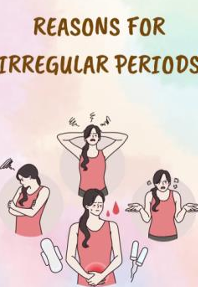
Irregular Periods

Menstrual cycles play a vital role in women’s lives; they can also be a source of confusion and concern—especially when periods don’t arrive on time or follow an unpredictable pattern. While occasional changes are common, irregular periods may sometimes signal an underlying health issue that needs attention.

According to Dr. Shelly Singh, a trusted gynecologist known for her patient-focused approach, understanding what’s normal and what’s not is the first step toward better menstrual health.

What Are Irregular Periods?

A typical menstrual cycle lasts between 21 and 28 days. Periods are considered irregular when:

  • The cycle length changes frequently
  • Periods are missed for months
  • Bleeding is unusually heavy or very light
  • Periods come too often or too far apart

Irregular periods can affect women at different life stages—from teenage years to perimenopause—and the causes can vary widely.

Common Causes of Irregular Periods

1. Hormonal Imbalance

Hormones like estrogen and progesterone regulate the menstrual cycle. Even minor imbalances can delay or skip periods. Conditions such as PCOS (Polycystic Ovary Syndrome) are a common cause.

2. Stress & Lifestyle Factors

Physical or emotional stress, sudden weight change, excessive exercise, poor sleep, or irregular eating habits can interfere with ovulation and affect cycle regularity.

3. Thyroid Disorders

Both hypothyroidism and hyperthyroidism can disrupt the menstrual cycle, leading to missed or irregular periods.

4. PCOS (Polycystic Ovary Syndrome)

One of the most common reasons for irregular periods, PCOS may also cause acne, weight gain, excessive hair growth, and fertility issues.

5. Medications & Contraceptives

Certain birth control pills, emergency contraceptives, antidepressants, and hormonal treatments may temporarily affect cycle timing.

6. Pregnancy or Breastfeeding

Missed periods can be an early sign of pregnancy. Breastfeeding mothers may also experience delayed or irregular cycles.

7. Perimenopause

Women in their late 30s or 40s may notice cycle changes as the body transitions toward menopause.

Symptoms That Often Accompany Irregular Periods

  • Missed periods for 2–3 months or more
  • Very heavy bleeding or spotting between periods
  • Severe cramps or pelvic pain
  • Fatigue or mood changes
  • Acne or sudden weight changes

While some symptoms are mild, others may affect daily life and should not be ignored.

When Should You Worry?

Dr. Shelly Singh advises seeking medical guidance if you experience:

  • Periods stopping for more than three months (without pregnancy)
  • Heavy bleeding lasting more than 7 days
  • Severe pain that interferes with routine activities
  • Sudden changes in the cycle pattern after years of regular periods
  • Irregular periods along with infertility concerns

Early evaluation helps identify the cause and prevents future complications.

How Are Irregular Periods Diagnosed?

A gynecological evaluation may include:

  • Detailed menstrual and medical history
  • Physical and pelvic examination
  • Blood tests to check hormone levels
  • Ultrasound to assess the ovaries and uterus

The goal is always to treat the root cause, not just the symptoms.

Treatment Options for Irregular Periods

Treatment depends on the underlying cause and may include:

  • Lifestyle modifications (diet, stress management, exercise)
  • Hormonal regulation through medication
  • PCOS-specific management plans
  • Thyroid treatment, if required

As Dr. Shelly Singh emphasizes, a personalized approach is essential—what works for one woman may not be right for another.

Final Thoughts

Irregular periods are common, but they should never be dismissed as “normal” without proper evaluation. Your menstrual cycle is an important indicator of overall health. If you’ve noticed ongoing changes or symptoms that concern you, consulting an experienced gynecologist can provide clarity, reassurance, and the right course of action.

Looking for the Best Gynecologist in South Delhi? Contact Dr. Shelly Singh today for expert guidance on irregular periods and comprehensive women’s healthcare!

Miscarriage: Causes, Emotional Healing & Medical Support

Miscarriage is a sensitive topic that many women find difficult to discuss. A miscarriage is the loss of a pregnancy before 20 weeks of gestation. Most miscarriages occur during the first trimester, and chromosomal abnormalities are the most common cause.

What Is a Miscarriage?

What is Miscarriage

A miscarriage is the loss of a pregnancy before 20 weeks. In most cases, it happens very early in pregnancy.

Some women experience bleeding or pain, while others may not notice any physical symptoms. For many women, the loss is discovered during a routine check-up. That moment is often deeply emotional and difficult to forget.

Almost every woman asks the same question during her clinic visit: “Did I do something wrong?”

In most cases, the honest answer is no.

Why Do Miscarriages Happen?

The most common cause of miscarriage is a problem with the baby’s chromosomes. When this happens, the pregnancy cannot develop normally, and the body naturally ends it.

Other possible causes include:

  • Health conditions such as diabetes or thyroid disorders
  • Hormonal imbalances
  • Problems with the uterus or cervix

Lifestyle habits like smoking or alcohol consumption can increase the risk of miscarriage.

However, normal daily activities—such as stress, working, walking, travelling, or exercising—do not cause miscarriage.


This is an important point for women to understand.

Signs That Need Medical Attention

Miscarriage does not look the same for every woman.

Some women notice vaginal bleeding, while others experience cramps. Some may pass clots or tissue, and in some cases, pregnancy symptoms suddenly disappear.

Any of these signs should be evaluated by a doctor. Even light bleeding should never be ignored.

Medical Care After a Miscarriage

Medical care after a miscarriage focuses on ensuring safety and supporting recovery.

Doctors usually recommend an ultrasound or blood tests to confirm that the body is healing properly. Sometimes, the body clears the pregnancy tissue naturally. In other cases, medication may be required. In certain situations, a minor medical procedure is advised.

Follow-up visits are very important. They help prevent complications and provide reassurance during recovery.

Doctors like Dr. Shelly Singh emphasize that physical healing is only one part of the recovery process.

Emotional Healing After Miscarriage

While physical recovery may take a few weeks, emotional healing often takes longer. It is completely normal to experience:

  • Sadness
  • Guilt
  • Anger
  • Fear about future pregnancies

Doctors stress that emotional well-being is just as important as physical health.

How to Cope Emotionally

1. Allow Yourself to Feel

There is no right or wrong way to grieve. Give yourself the time and space you need.

2. Talk to Someone You Trust

Sharing your feelings with a partner, friend, or family member can help.

3. Take Care of Yourself

Rest well, eat healthy food, and do gentle activities like walking or meditation.

4. Get Professional Help

If sadness or anxiety lasts too long, talking to a counselor can be very helpful.

Future Pregnancy After Miscarriage

Having a miscarriage does not mean you cannot have a healthy pregnancy in the future. Most women go on to conceive and deliver healthy babies.

Once your body has fully recovered, a gynecologist can guide you on:

Future Pregnancy after Miscarriage
  • When it is safe to try again
  • How to prepare your body for pregnancy
  • Steps to reduce future risks

Doctors like Dr. Shelly Singh often recommend pre-pregnancy counselling to support better planning and emotional reassurance.

Conclusion

Miscarriage is common, but the emotional pain it causes is very real. Understanding the reasons, receiving proper medical care, and prioritizing emotional health can support healing. With the right guidance and care, moving forward with hope is possible.

Looking for the Best Gynecologist in South Delhi? Contact Dr. Shelly Singh