Home

Downs Syndrome Day

21st March is celebrated as Down’s syndrome day . Let us know a little about this . 

What is Down’s Syndrome ?
A genetic syndrome characterized by mild to moderate intellectual disabilities , a particular kind of facial features- flattened face and nose , almond shaped slanting eyes , small ears and mouth , thyroid disease, heart disease , intestinal problems and sometimes Epilepsy , Leukemia and Alzheimer’s disease .

It occurs in about 1:500 births and risks increase with increasing maternal age . 

There is an extra copy of chromosome 21 , hence the name Trisomy 21 . 

What tests are done to detect Down’s syndrome ? 

There are 2 kinds of tests- screening tests and diagnostic tests. 

Screening tests tell us your risk of having a baby with Down’s syndrome ( along with Trisomy 13 and 18) whereas diagnostic tests either confirm or rule out the diagnosis . 

Screening tests may be 1 st trimester or 2 nd trimester .
1 st trimester screening tests involve an ultrasound called the NT NB scan which is done at 11-14 weeks . It is clubbed with a blood test that tests for 2 proteins called B HCG and PAPP-A . These biochemical markers are taken at 10-14 weeks. An assessment of risk of Down’s syndrome is made taking these cumulative factors along with your age . 

The second trimester screening involves assessment of 4 proteins in maternal blood ( quadruple test) along with a level 2 or anomaly ultrasound scan which specifically looks for some structural markers in the baby’s organs for Down’s syndrome . 

The result will show as low risk or high risk . In case you are at high risk for the same , you may get the diagnostic tests done . Or there is also the option of a secondary screening test called NIPT . Consult your doctor for the best option for you .

Are there any risks to your baby with these screening tests ?
No .

What diagnostic tests are done to confirm or rule out the diagnosis ?
The diagnostic tests available are amniocentesis ( done at 16-20 weeks) that involves taking a bit of the amniotic fluid around the baby under ultrasound guidance and sending it for genetic testing for abnormal chromosomes . 

The other test is CVS( Chorionic villous sampling that involves taking some placental tissue at 10-13 weeks and sending it for genetic testing . 

Do diagnostic tests have risks?
In good hands the risks are low . There are however risks of miscarriage .1:200 with CVS and 1:300-1:600 with Amniocentesis. 

What choices do you have ?
The choices are totally yours . You may decide to continue with a pregnancy even if proven to be a Down’s baby or you may decide to terminate pregnancy . The options of going in for screening tests and diagnostic tests ,should the screening tests be high risk are again yours to make . However do talk to your obstetritian regarding all the choices available . 

This Down’s syndrome day let’s be a little more educated , a little more aware and empowered . This article is a small step in that direction .
Cancer Cervix – Ominous but largely preventable – Here’s what we know

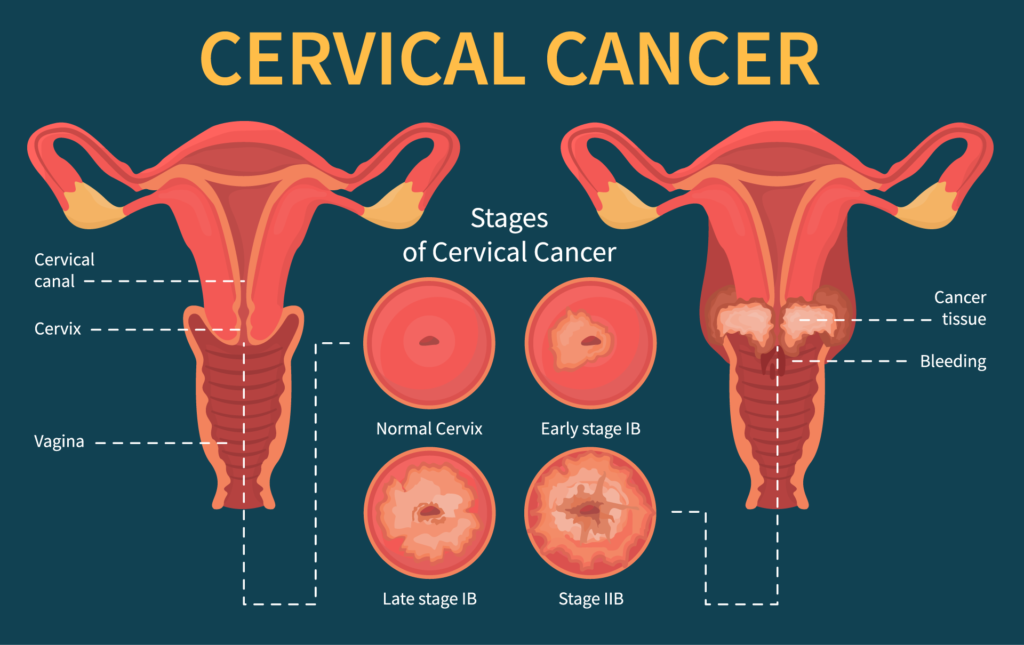
Cancer cervix is cancer that affects the cervix, the mouth of the uterus which connects to the vagina. It is the second most common cancer amongst Indian women, second only to Cancer breast. As per Globocan, in India in 2020, there were 9.4 % of cancers due to Cancer cervix and 18.3% of new cases were added. In absolute numbers, 96,922 cases were added and 60,078 women lost their lives to cancer cervix. Due to the magnitude of the disease, it is important we are well aware of this deadly cancer and take an active part in prevention. 

Our goal by 2030 is “90-70-90 “which implies that health care workers must vaccinate at least 90 % of girls by the age of 15, screen 70 % of women by the age of 35 years and treat 90 % of women afflicted by this ominous malignancy. And if we put our efforts towards it, it should be achievable. 


What causes cervical cancer? 

Unlike many cancers whose causative factors we don’t really know, cervical cancer is caused by the Human Papilloma Virus (HPV) This virus is also responsible for causing anogenital warts, vulvar and vaginal cancer. There are many types of HPV, some are the high-risk types that cause 70-80 % of cancer cervix. These viruses are sexually transmitted , extremely common and in a majority of cases, women acquire this during sexual activity. However the body is able to produce immunity against them, eliminating them from the body; in a small percentage of cases, however, these remain in the cervical cells, producing changes in their DNA and going from premalignant to malignant phase over 10-15 years. These are the viruses that need to be screened for. Screening should also be done for changes in the cervical cells by programmes like taking Pap’s smears, HPV DNA tests to screen for high-risk types of HPV and in relevant cases even colposcopy. 


What are the risk factors for cervical cancer? 

Women with multiple sexual partners 

or having partners who have multiple partners, smokers, women with other Sexually Transmitted diseases, patients with low immunity like patients of AIDS, intravenous drug users, women who have had many children, who started sexual activity at a very early age and who had childbirth at a very young age are all at high risk.


What are the types of Cancer cervix? 

There are mainly two types of cancer cervix 

  • Squamous cell cancers – originate from the flat cells on the outer surface of the cervix close to the vagina. Most cancers are of this type. 
  • Adenocarcinomas- which arise from the cervical glands lining the cervical canal. 
  • Sometimes both types of these cells are involved and at other times, rarely other types of cells are noted to cause it. 


What are the symptoms? 

Early cancer cervix has no symptoms. However, at a later stage, there may be irregular bleeding like post-coital bleeding ( after intercourse) bleeding at times other than your regular periods or postmenopausal bleeding. 

There may be a foul-smelling, often yellowish, pinkish or blood-tinged discharge and in late stages, pelvic pain as cancer spreads to other pelvic organs. 

If cancer has spread to distant organs like the liver, lungs, bladder and rectum, these too may be involved.


Diagnosis : 

  • Screening with Pap’s smears every 3 years after the age of 21 till 65 years of age or with Pap’s smear along with HPV virus screening, once every 5 years in women between 30-65 years of age. 
  • If there are abnormal changes seen in the cells of the cervix, a Colposcopy or magnified imaging of the cervix may be ordered by your gynaecologist. A biopsy of the suspicious areas may be taken which may be used to confirm or rule out cancer as well as the type of cancer.
  • Once confirmed, staging of cancer may be done using X-rays, CT scan, MRI, PET scan and also direct visualisation of other organs like the bladder or rectum using endoscopy. 
  • For early-stage suspicious areas, your doctor may perform colonisation or removal of a cone-shaped area of the cervix containing the abnormal areas, else an electrical wire loop may be used to obtain a small tissue sample.

Treatment 

  • Treatment depends on many factors like the type of cancer, stage, age of the patient, other comorbidities. 
  • The options available are surgery, radiotherapy, chemotherapy or a combination of these.
  • Surgery in the early stages may be the removal of cancer by taking out a cone of the cervix ( conisation) , 
  • removal of the cervix ( trachelectomy) or maybe a hysterectomy in which there is the removal of the cervix and uterus with a cuff of the vagina and also the draining lymph nodes. Minimally invasive hysterectomy is also an option depending on eligibility factors decided by your doctor. 
  • Immunotherapy and only palliative treatment are needed in more advanced cancer that has metastasised. 
  • Regular follow up is also required even after treatment.

How can you prevent cervical cancer? 

By screening, as indicated above and vaccinating young girls 9-26 years of age, and in some carefully selected cases up to 45 years of age. This HPV vaccine is given in 2 doses if the girl is less than 15 years of age and in 3 doses if she’s crossed her 15 th birthday. It is highly effective with minimal side effects and is available with most gynaecologists and paediatricians. 

Also, practice safe sex and stop smoking.

Remember that this deadly disease is easily prevented by screening and vaccination and if picked up early, cervical cancer can easily be treated. Early treatment saves many lives – just be educated, aware and empowered. Remember Cancer cervix is largely PREVENTABLE.

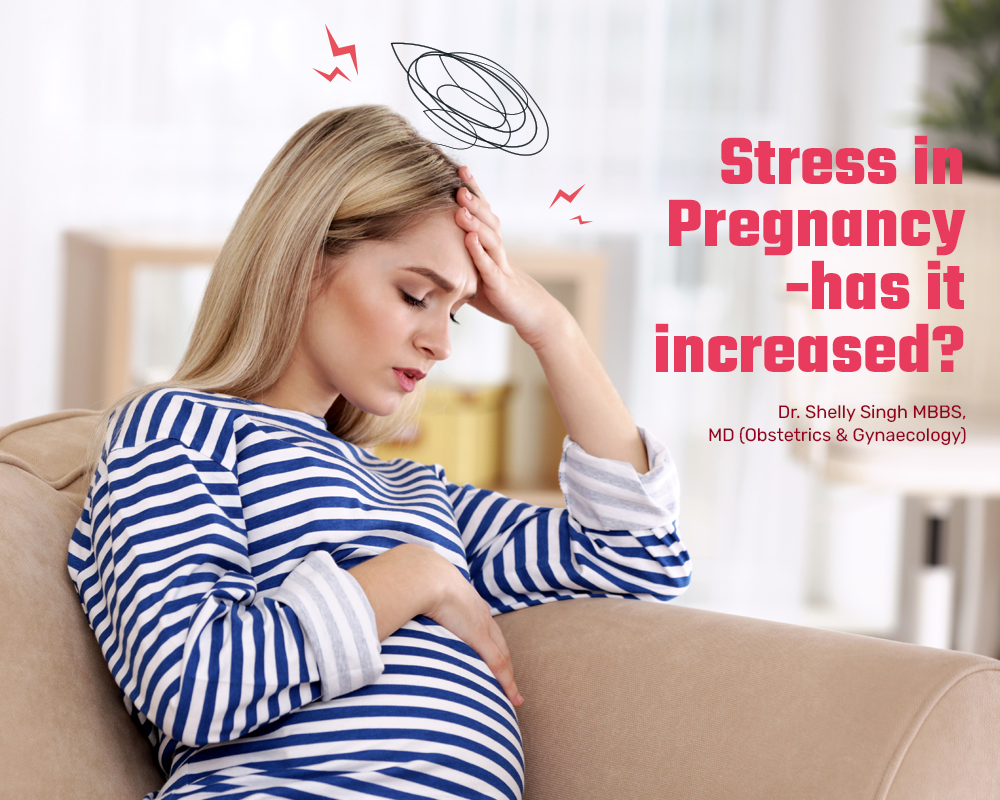
Stress in Pregnancy – has it increased?

It’s a known fact that stress and emotional upheavals are part and parcel of pregnancy. The hormones of pregnancy are attributed to these mood swings. Stress has been part of our lives and from the times of our parents and grandparents, most would agree they have multiplied manifold. Whether it is to get a deadline met professionally, work pressures, getting a kid to school, pick up and drop routines or just the humdrum of fast-paced everyday living, stresses are real.

The death of a family member or friend, divorce, losing your job, financial problems, health issues, abuse or depression are unusual stresses, a bit removed from those of everyday life. Other disasters like natural calamities and in recent times, the monster of the COVID 19 pandemic are other chronic depressive events. And the latter has definitely increased, affecting everyone, especially pregnant and lactating girls. 


What effects does this stress cause on pregnant girls?

Stress causes the body to be in a constant state of “ fight and flight”. It causes the hormones epinephrine and norepinephrine to be released. This causes you to have chronic headaches, trouble sleeping or eating disorders. It aggravates medical conditions like Gestational diabetes or Hypertension. And it also causes problems for your baby.

During the COVID pandemic, most pregnant girls have fears of contracting the disease. They fear hospitalisation and intensive care; many of them fear for their unborn babies, of miscarriages, bleeding, preterm deliveries, growth-restricted or low birth weight babies and many unfounded but completely understandable fears. Add to this the stress of being closeted at home and financial difficulties due to the economic effects of the pandemic. 


What effects do stresses have on your child?

While some stresses are good for us and keep us on our toes, chronic stress like that of the current seemingly never-ending pandemic increases problems for the unborn baby as well. It is known to cause issues like preterm deliveries and low birth weight babies. This stress is also known to cause changes in temperament and neurobehavioral development problems in your babies. Some studies have also been found to show a likely association between stress in the pregnant mom and children who grow up to have heart disease, high BP, Diabetes, Learning disabilities. Some trials have also shown that stresses in the first trimester are particularly harmful and can lead to irritability and depression in children born to these mothers.

Remember that a womb is a busy place. There are numerous hormones and chemicals that are being transmitted from the mom to the baby. The stress hormones act on the babies, keeping them in constant fight and flight mode; that is why we are drawn back to the age-old concept of “ Garbh Sanskar”-our babies are very much what we make them in the womb. Stressed mothers are likely to get stressed babies. So despite all our fears, we need to try and find ways and means of countering them.


How do pregnant girls counter stress in COVID times?

Eat healthy, exercise, sleep adequately, keep yourself occupied doing things that calm you, keep you engaged and happy. Yoga and meditation are always helpful. Dissociate yourself from negative influences like people who spread fear, too much television or news of the pandemic; remember its good to be informed but harmful to be stressed and fearful. COVID appropriate behaviour like masking up, maintaining social distancing, avoiding crowded places, hand hygiene and COVID vaccination is our best bet today even against highly mutated forms of the virus.

The Pandemic will eventually pass or phase out into an endemic like the common flu but stress and fear will live on through your children. 

So mommies, stay positive and just chill- this too shall pass!

Cancer cervix

Cancer cervix is the second most important cancer in India over the last two decades.

Why must we know these figures? Because Cancer Cervix is rampant and a huge killer.


  • It causes 23.5 % of all cancers in women in India.
    Globally age-adjusted incidence rates are 15.3/100000. In India, this is 27/100000.

  • The incidence has reduced in urban areas but in rural areas, with limited-resource settings in medical treatment, it is still very high.

  • Every year about 134420 cases are added in India and about 75000 deaths occur due to the same. (2008)

  • By 2025 the projected increase in numbers is up to 116171.


-Why vaccinate?
We do not know the reasons behind many cancers, however, this is not true about the Cancer cervix. It is caused by a very common virus called HPV or Human Papillomavirus which is sexually transmitted. If we target girls for vaccination before they start with sexual activity , it will protect against this extremely ominous disease.

Which vaccines are available?
There are 2 vaccines available in India.
One is called Gardasil

The other is called CervarixGardasil protects against HPV 6,11,16,18,31,33,45,52,53


Gardasil also protects against genital warts, cancer of the anus, vagina and vulva, and is also licensed for males( though not in India)

Cervarix protects against the two high-risk HPV viruses 16,18


HPV 16 and 18 are the high-risk viruses and cause 66% of cases of cervical cancer. The rest cause around 15 % cases.
Low-risk HPV viruses cause anal and genital warts.

Who is to be vaccinated?
HPV vaccination is indicated for girls between 9-26 years of age. Some clinicians also propose vaccination till 45 years of age.

How many doses are to be given?


  • For girls between 9-14 years, 2 doses are indicated, one at 0 months, the other 6-12 months later.

  • For girls who receive the first dose on their 15 th birthday or later, 3 doses are required, at 0 months,2 months and 6 months.

  • For immunocompromised patients even less than 15 years,3 doses are needed.

Mode of administration?
Intramuscular

What are the side effects of HPV vaccines?
The side effects are minor and cause fever, dizziness, nausea, mild pain in the upper arm at the site of injection.

Are they indicated in pregnancy?
No. However if inadvertently given to a pregnant lady, this is not an indication to terminate the pregnancy.

Some pertinent questions:


If someone in the age group of 9-14 years gets 2 doses but less than 5 months apart do we need to give a third dose?

YES


If someone is more than 15 years of age but vaccination was started at 11 years of age, are 2 doses needed or 3?


1 DOSE as the first dose of vaccination was initiated before the 15 th birthday.


If the vaccination schedule was interrupted do all doses need to be repeated?
NO


Do we still need to screen for cervical cancer?
YES

Zika virus

As the first case of the Zika virus is reported in Delhi at the RML hospital, there’s widespread buzz and panic about the virus and its effects on pregnant women. Let’s attempt to understand more about it. 

Zika virus was first detected in Uganda in 1947 and is transmitted by the bite of the Aedes mosquito ( Aedes aegypti and Aedes albopictus); these mosquitoes are found all over the world especially in tropical and subtropical areas and are both day and night biters. 

Zika virus causes outbreaks in Central, South and North America and also in and around West Africa. Because of increasing globalisation and international travel, it is likely that there may be infections reported in many more regions. 

When the mosquito bites a person infected with the Zika virus, it infects the mosquito, which in turn infects another person with its bite. It enters the person’s bloodstream and causes symptoms of the infection. 

The virus can also be transmitted from an infected person to another by unprotected sexual intercourse. Blood transfusion and organ donation by an infected person are also means of transmission. 

During pregnancy, an infected mother can spread it to the unborn fetus. This is a dangerous form. 


Risk factors

Living in areas where infections are rampant increase the chances of Zika virus infection. Moreover, unprotected sex with partners who have lived or travelled recently from endemic areas also run the risk of getting infected. 


Symptoms of Zika virus infection

Remember this infection is very mild. In fact, 4 out of 5 people infected are completely asymptomatic. Infections begin 2 days to 2 weeks after the bite of an infected mosquito. Symptoms are similar to dengue and like many viral fevers last about a week. Most people have a mild fever, rash, severe body ache, a feeling of being unwell, joint pains and red eyes or conjunctivitis. 

There is headache, eye pain and maybe accompanying abdominal pain too. Most people recover completely; however, some may have late-onset neurological complications as well as Guillain Barre syndrome even in people who never really had any symptoms of the disease. 

Pregnant girls infected with the virus may have a spontaneous miscarriage, preterm births and stillbirths. 

Congenital Zika syndrome is a serious birth defect in infants born to mothers who were infected during pregnancy. 

These include microcephaly( a much smaller brain and head size) with a partly collapsed skull. There may be brain damage and reduced brain matter, eye damage, hypertonus( too much muscle tone )leading to reduced body movement and joint problems. So as you can see, the virus causes very mild symptoms in the pregnant woman but there are huge ramifications on the unborn baby . 


Diagnosis of Zika virus infection 

This can be done by RT PCR using the infected person’s serum, urine and throat samples. If the RNA of the virus is detected, it confirms the infection.


Treatment of Zika virus infection

All that is needed is plenty of rest, oral fluids and hydration, paracetamol and over the counter medicines for fever and pain. 


Prevention 

Currently, there is no vaccine or antiviral treatment for this virus, so prevention by other means is the best bet. Prevent yourself from mosquito bites.

If you are pregnant or attempting to get pregnant, you must not travel to countries where Zika virus outbreaks are common. You must wait two to three months to try to conceive if you have travelled to these regions. 

Practising safe sex is important; more so if your partner lives in or has travelled to areas where outbreaks are common.

You must protect yourself from mosquito bites by wearing protective clothing like full-sleeved clothes, long trousers, shoes and socks. 

You must use mosquito repellents and if you live in areas that are heavily infested with mosquitoes, you must use a mosquito net as well. 

You must make sure that you destroy mosquito habitats such as stagnant water in coolers, flower pots, containers, used automobile tyres. 

As is the norm with dengue prevention, you must follow a weekly regime of emptying standing water sources in and around your home. Using oil over drains and other areas which harbour these mosquitos also help to reduce their population and hence chances of infection.

Anaemia in Pregnancy

50 per cent of pregnant girls in India suffer from anaemia. 

When you suffer from anaemia, your blood does not have healthy Red blood cells to carry oxygen to your tissues and your baby. Your body uses Iron to make Haemoglobin, the protein that carries oxygen in the RBCs. 

Types of anaemia in pregnancy are Iron deficiency anaemia, Folate deficiency anaemia and Vitamin B 12 anaemia. 

What are the risk factors for anaemia? 

If you’re anaemic before you become pregnant, don’t have an iron-rich diet, are vegan or vegetarian, have twins or multiple order pregnancy, have pregnancies too close together, have severe vomiting in pregnancy, malabsorption syndromes, chronic infections like malaria, TB, worm infestations or conditions like Thalassemia or excessive menstrual loss prior to pregnancy, you are more liable to get anaemia in pregnancy. 


What are the symptoms of anaemia? 

Easy fatiguability, weakness, dizziness, palpitations, rapid heartbeat, breathlessness, trouble concentrating, pale lips and nails are common features of anaemia. 

What are the risks to the foetus if you are anaemic? 

There is a greater chance of preterm birth and low birth weight babies. 

You run a risk of post Partum haemorrhage necessitating blood transfusion, your baby may be anaemic as well. 

Untreated folate deficiency may lead to babies with neural tube defects. 

How does your doctor diagnose the same? 

Blood tests like Complete haemogram, Peripheral smear for the type of anaemia, Vitamin B 12 and Folate levels, HPLC tests to rule out Thalassemia, stool tests to detect ova and cysts due to worm infestations are ordered. In the very first antenatal visit itself, your doctor takes your history, does a clinical examination and orders your blood test that can detect anaemia. 

How is anaemia prevented and treated? 

Iron supplements that contain 60-100 mg of elemental iron, Folic acid 500 micrograms and Vitamin C that helps in iron absorption need to be taken. 

Always remember never to take Iron capsules along with Calcium or with antacids as these reduce Iron absorption in the gut. Also taking too much tea and coffee also reduce Iron absorption. 

Taking a diet rich in iron like green leafy vegetables -spinach, methi, sarsoan, kale, broccoli, lean red meat, fish, eggs, poultry, cereals fortified with Folic acid reduces the chances of anaemia. 

A course of deworming medicines also helps in treating anaemia caused due to worm infestations. 

If you are intolerant to oral Iron or suffer from malabsorption you may need parental ( intramuscular or intravenous iron ) 

Sometimes severe anaemia may require blood transfusion as well. 

Let’s do our bit to fight the menace of anaemia. Let’s work towards a brighter pregnancy.

Mastitis

Mastitis is an inflammation of breast tissue that is commonest in breastfeeding girls and may be associated with infection. This inflammation causes redness, wedge-shaped swelling, warmth and breast pain. 

It may cause flu-like symptoms too. Fever, chills and rigors are common. 

Mastitis can also occur in non-lactating women and also in men. 

Sometimes there may be chronic mastitis and occasionally a rare form of cancer called inflammatory cancer may mimic mastitis in older women. Patients with reduced immunity like those who have Diabetes, AIDS, those on steroids and drugs which suppress immunity can have mastitis. 


Why does this problem occur? 

A blocked milk duct due to incomplete feeding can cause one of the milk ducts to get clogged. Bacteria entering these ducts due to cracked nipples, mostly from the baby’s mouth can cause the same. Incorrect positioning of the baby while feeding and improper latching can also cause cracks in the nipple. 

In postmenopausal women, there is clogging of the ducts due to cells and debris that can precipitate this infection.


What are the risk factors? 

Previous bouts of mastitis when lactating , wearing too tight a bra , improper nursing techniques, poor nutrition , hygiene and smoking are risk factors . 


What are the signs and symptoms? 

Pain in the breast, generally on one side, redness, swelling, a breast lump, general malaise or high-grade temperature with chills. 


Complications? 

There may be a collection of pus or an abscess that may be caused due to mastitis. This may then require surgical drainage. 


What is the solution? 

Most times your doctor can make a diagnosis on physical examination. If there’s pus discharge from the nipple signifying an abscess, it will require a culture of breast milk or nipple discharge. 

Inflammatory Cancer may require an ultrasound of the breasts or mammography. 


Treatment 

Antibiotics, painkillers, hot compresses before completely emptying the breast and cold compresses after painful lactation, massaging the breast when feeding or pumping from the affected area towards the nipple are some of the tips in treatment. 

Proper latching techniques and continuing to breastfeed even alongside mastitis helps. Breastfeeding from the affected side first when your baby is hungrier helps to empty the breast due to stronger suckling.

Proper rest and hydration also help. 

Most times it resolves within days to a couple of weeks. If it does not, you must meet your doctor.

Cervical stitch

What is a cervical stitch and why is it done?

Cervical stitch application or cervical cerclage is the placement of a stitch at the cervix ( the neck of the uterus) . This is done to prevent you from going into preterm labour ( prior to 37 weeks of pregnancy)

or having a miscarriage after 16 weeks of pregnancy. In the preterm period, the cervix should normally belong, firm and closed. However, due to some reasons, it may shorten and open up.


Who are candidates for application of a cervical stitch application or cervical cerclage?

If you have a history of previously having had a miscarriage after 16 weeks.

If there’s a history of preterm delivery in a previous pregnancy.

If there’s a history of PPROM which means leaking due to the water bag breaking prematurely in a previous pregnancy (prior to 37 weeks)

If you have a history of prior cerclage due to painless cervical dilatation in the second trimester 

If on ultrasound at 16-24 weeks in your current pregnancy, your cervix has a length of 25 mm or less.

If you’ve had some surgery on the cervix like a cone biopsy

You are a good candidate for cervical cerclage.


Are there some contraindications to cervical cerclage?

The cervical stitch is not applied in case you already have active leaking due to breakage of the water bag

You have active vaginal bleeding

You are already in established preterm labour with uterine contractions

You have signs of infection

You have twins or higher-order pregnancy

You have a fetal congenital abnormality that is not compatible with life


When is a cervical stitch placed?

This is done at 12-14 weeks of pregnancy and may even be applied up to 24 weeks.

A “ rescue cerclage” is an emergency cerclage that may be placed even later if the cervix has become really short and membranes are bulging through the short and open cervix, threatening to abort or leading to preterm delivery. This type of stitch carries more risks and doesn’t work always.


How can this stitch be placed?

Most times it is done vaginally; rarely it may need to be placed abdominally if the cervix is too short, lacerated or it is technically difficult to place by the vaginal route.


Are there any alternatives to cervical cerclage?

Vaginal progesterone pessaries or gels are an alternative to this and occasionally both cervical cerclage and progesterone vaginal capsules may be needed together .


What are the risks of cervical cerclage ?

Bleeding

Infection

Rupture of the water bag leading to leaking

Precipitation of preterm labour or mid-trimester abortion

Injury to the bladder or cervix

Sometimes it may not be possible at all to place the cervical stitch as the cervix is too short or too open .


Is there anything you need to be watchful about post cervical cerclage?

If you have spasmodic crampy pains , bleeding , leakage of an intense watery fluid , smelly discharge , you must talk to your obstetrician right away .


When is this stitch removed?

The stitch is removed at 37 weeks or earlier if you go into labour . If you go into labour when the stitch is still in place , you must inform your doctor .

How to prepare for delivery

You’re close to term now and it’s time to prepare for delivery . There’s a mix of excitement , fear and anxiety , I’m sure . And as is said, being mentally prepared and knowledgable is half the battle won .

Take antenatal classes which are available in most hospitals . If they aren’t ,just talk at length with your obstetrician .

What is done in these classes is this- a simple preparation for labour and delivery . A wellness specialist will talk to you about exercises such as squats and ball exercises, appraise you about breathing techniques and the right posture and help condition you towards the labour pains. Mind you , contractions are painful but knowing what to expect and how to deal with them go a long way . Most classes are couples classes where your husband or partner can also be your “ coach”. Enlightening your partner about how to ease your pain, how to breathe , teaching them positions which can help you reduce the pain ,help a great deal. When you know you have a partner in the whole process of labour , that’s shared responsibility towards the delivery process. Hospitals also have the choice of “ doulas” who help you physically , mentally and emotionally in your journey towards delivering your little bundle of joy . Working through contractions and staying in control are strategies which help in a more positive birth experience .

 Discuss with your obstetrician about the signs and symptoms of onset of labour . How Braxton Hicks contractions finally give way to labour pains , how to time contractions , their frequency and intensity which should guide you to head to hospital . There are other signs like leaking of liquor and a blood stained mucous discharge called “ show” that you must know of . Your birth plan must be discussed with your doctor . Whether you’d prefer a natural delivery without aided medication , or normal or painless delivery with epidural analgesia or whether there needs to be a Caesarean delivery, should there be complications or risks to you or the baby should all be discussed? You must discuss the pros and cons of epidural analgesia and also other pain relief techniques like the use of an inhalational gas to reduce pain. Talk about episiotomy and its aftercare too.

Remember, however, that this birth plan can always be changed or tweaked a bit; for instance, if you can’t bear these labour pains, you can always switch to epidural analgesia from a thought out plan of no aided medication.

These classes also take the opportunity of teaching you about breastfeeding and how to prepare for lactation; and the challenges you may expect.

  Another important aspect is to keep exercising. Walking, stretching, prenatal yoga and swimming are all great ways to keep your muscles and ligaments in shape and toned. They also help in a normal delivery apart from helping release the feel good hormones – the endorphins. You must continue to exercise 5-6 times a week for at least 30 minutes , unless your doctor forbids you from the same for some medical reasons .

   Focus on relaxation . Some form of meditation , yoga and pranayam helps to soothe frayed nerves. The long and tedious process of labour can definitely be made easier by maintaining calm and positivity .

  Sleep well and adequately . Sleeping at least 8 hours in the night and 1-2 hours in the afternoon help you relax . So let go of those late night Netflix shows and WhatsApp chats. Another important piece of advise – please do not scare yourself by all Facebook or Google posts about unpleasant delivery experiences someone may have had . Also try to dissociate yourself from friends with bad delivery tales to recount.Your moms also had their deliveries a long , long time ago and so much has changed since then . Don’t let negative experiences pale your positivity . The best persons to speak to now are your obstetrician , partner and your wellness consultant . Keep that spark alive and clarify any doubts, discuss anything that’s bothering you .


  Eat right . Eating small portions of a nutritious diet which contains green vegetables , fruits , lean protein , whole grains,milk and milk products is important . And keep yourself well hydrated . Water, lime water, coconut water, nutritious soups are great ways of keeping yourself hydrated .

   Make sure your hospital bag is now packed and ready . Most hospitals and doctor’s clinics have a checklist of all things that are needed for you , your little one as well as for your partner . These are as detailed as instructing you to carry not just your loose fitting gowns, nursing bras, baby’s clothes but also your toiletries and chargers for phones .

 By this time your doctor will have revised your history and have ordered whatever blood work , investigations are to be done and special instructions chalked out .

   Get help and take care of logistics . You may need to get your mom to look after your elder baby or look after your home . You might need to book a “japa” to help you post delivery . Plan to stock your supplies so that once you’re back from the hospital after delivery you don’t have to fret about the groceries.

Also, set up your nursery and home to welcome the baby and make it safe and comfortable for your angel.

  Birthing is indeed an overwhelming experience but being prepared to handle everything that comes your way and knowing all the choices available definitely help you to be an empowered couple.

Wishing you a safe and wonderful journey ahead!

Bone health after Menopause

What is osteoporosis?

A reduction in bone mass and strength that weakens bones increasing the risk of fractures is known as osteoporosis.

Bones are living, growing tissues. There are 2 layers – an outer compact or dense shell called cortical bone and a trabecular or spongy inner layer of bone.

Why does osteoporosis occur?

Up to the age of 30 women builds more bone than lose it . Postmenopause, in fact after the age of 30 itself, there is some bone loss.

In the perimenopausal age group, oestrogen deficiency leads to this spongy part of the bone becoming weaker. The “ holes” in the trabecular spongy bone become larger causing the weakening of the bones.

Premature menopause ( before the age of 40 years )leads to even greater loss of bone for the same reason . That’s why fractures are common in peri and post menopausal ladies ; the slightest trauma leads to the same .

Women are four times more prone than men to get osteoporosis .

Asian and White women are more likely to have osteoporosis than African women; so are petite and small built women .

Genetic issues play a role . A family history shows weak bones run in families . Your moms or grand moms and sisters may have a history of osteoporosis

Some medical causes like cancer and stroke ; also autoimmune disorders are likely to do the same .

Steroid intake is also linked to weak bones .

How can you prevent osteoporosis ?

A regular exercise programme 5-6 times a weak which includes weight bearing exercises like walking , running , jogging , hiking,sports like tennis, dancing etc. Also strength training and weight lifting is also needed to build muscle mass and increase bone strength .

20 minutes of exposure to the sun helps in absorption of Vitamin D which again helps to improve bone strength .

Eating food rich in Calcium and Vitamin D such as milk , dairy products, greens like broccoli and kale, fish , fortified foods like cereals and breads help .

Eating Calcium supplements (1200 grams) everyday as well as Vitamin D supplements are essential . 600 IU is the daily recommended dose after menopause .

Also remember that smoking has to be stopped and alcohol intake must be reduced in case you want to prevent osteoporosis .

There are some medications that are also available to help boost bone health .


Remember menopause is not a pause to living a healthy life . Take care of your bone health and start it NOW.What is osteoporosis?

A reduction in bone mass and strength that weakens bones increasing the risk of fractures is known as osteoporosis.

Bones are living, growing tissues. There are 2 layers – an outer compact or dense shell called cortical bone and a trabecular or spongy inner layer of bone.

Why does osteoporosis occur?

Upto the age of 30 women build more bone than losing it . Post menopause , in fact after the age of 30 itself , there is some bone loss.

In the perimenopausal age group , oestrogen deficiency leads to this spongy part of the bone becoming weaker . The “ holes” in the trabecular spongy bone become larger causing weakening of the bones .

Premature menopause ( before the age of 40 years )leads to even greater loss of bone for the same reason . That’s why fractures are common in peri and post menopausal ladies ; the slightest trauma leads to the same .

Women are four times more prone than men to get osteoporosis .

Asian and White women are more likely to have osteoporosis than African women; so are petite and small built women .

Genetic issues play a role . A family history shows weak bones run in families . Your moms or grand moms and sisters may have a history of osteoporosis

Some medical causes like cancer and stroke ; also autoimmune disorders are likely to do the same .

Steroid intake is also linked to weak bones .

How can you prevent osteoporosis?

A regular exercise programme 5-6 times a week which includes weight-bearing exercises like walking, running, jogging, hiking,sports like tennis, dancing etc. Also strength training and weight lifting is also needed to build muscle mass and increase bone strength .

20 minutes of exposure to the sun helps in absorption of Vitamin D which again helps to improve bone strength .

Eating food rich in Calcium and Vitamin D such as milk , dairy products, greens like broccoli and kale, fish , fortified foods like cereals and breads help .

Eating Calcium supplements (1200 grams) everyday as well as Vitamin D supplements are essential . 600 IU is the daily recommended dose after menopause .

Also remember that smoking has to be stopped and alcohol intake must be reduced in case you want to prevent osteoporosis .

There are some medications that are also available to help boost bone health .


Remember menopause is not a pause to living a healthy life . Take care of your bone health and start it NOW.