Date Archives January 2026

Menopause Treatment in Delhi Symptoms, Hormone Therapy

Menopause is a natural phase in a woman’s life, but the symptoms can often feel
overwhelming and disruptive. Many women experience physical discomfort, emotional
changes, and long-term health concerns during this transition. With the right medical
guidance, these symptoms can be managed effectively. Menopause treatment in Delhi
focuses on personalized care that helps women regain comfort, confidence, and quality of life. Dr. Shelly Singh, a leading gynecologist, provides compassionate and evidence-based menopause care for women across South Delhi and nearby areas.

Understanding Menopause and Its Impact

Menopause usually occurs between the ages of 45 and 55 and marks the end of menstrual cycles. It is diagnosed after 12 consecutive months without a period. While menopause is natural, the hormonal changes involved can affect multiple aspects of health. Many women searchings for menopause treatment in Delhi do so because symptoms start interfering with daily life, sleep, work, and relationships.

Common Symptoms of Menopause
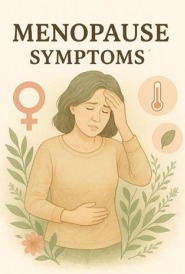
Menopause symptoms vary from woman to woman. Some experience mild discomfort, while others face severe challenges that require medical care. Common symptoms include:
• Hot flashes and night sweats
• Irregular periods before menopause
• Mood swings, anxiety, or irritability
• Vaginal dryness and discomfort
• Sleep disturbances and fatigue
• Weight gain and slowed metabolism
• Reduced bone density

If these symptoms persist or worsen, consulting a gynecologist for menopause treatment in Delhi can help prevent long-term complications.

Why Professional Menopause Care Matters

Many women try to manage menopause symptoms on their own, but professional care ensures safe and effective treatment. A qualified gynecologist evaluates hormone levels, overall health, and personal risk factors before recommending treatment. Choosing expert menopause treatment in Delhi helps women receive medically supervised solutions rather than temporary relief. Dr. Shelly Singh is known as a trusted gynecologist for menopause in Delhi, offering tailored treatment plans rather than one-size-fits-all approaches.

Also Read: Heart Health and Menopause

Menopausal Hormone Therapy (MHT)

Hormone replacement therapy is one of the most effective options for managing moderate to severe menopause symptoms. It works by restoring declining estrogen and progesterone levels.

Benefits of HRT

• Relief from hot flashes and night sweats
• Improved sleep quality
• Better mood stability
• Reduced risk of osteoporosis
• Heart Health too

Menopausal Hormone Therapy in Delhi should always be prescribed after a detailed
consultation. Dr Shelly Singh carefully evaluates whether HRT is suitable, ensuring safe and balanced menopause treatment in Delhi for each patient.

Non-Hormonal Treatment Options

Not every woman is a candidate for hormone therapy. In such cases, non-hormonal
treatments may be recommended, including:

• Lifestyle and dietary changes
• Calcium and vitamin D supplementation
• Medications for hot flashes or mood changes
• Vaginal treatments for dryness

These options are often part of comprehensive menopause treatment in Delhi, especially for women with specific medical conditions.

Lifestyle Care During Menopause

Medical treatment works best when combined with healthy lifestyle choices. Simple changes can significantly improve menopause symptoms:

• Regular physical activity to support bone and heart health
• A balanced diet rich in fruits, vegetables, and protein
• Stress-management techniques like yoga or meditation
• Maintaining a healthy sleep routine

Women seeking menopause treatment in Delhi are often advised to adopt these habits
alongside medical care for long-term wellness.

When Should You Consult a Menopause Specialist?

You should consult a menopause specialist near me if:

• Symptoms interfere with daily activities
• Sleep problems persist for months
• Emotional changes affect mental health
• There is concern about bone or heart health

Early consultation ensures menopause treatment in Delhi and prevents complications later in life

Why Choose Dr. Shelly Singh for Menopause Care?

Dr. Shelly Singh is widely recognized as one of the best menopause doctors in Delhi. A
Certified Indian Menopause Society (IMS) Credentialed Health Practitioner, she follows
evidence-based, globally accepted protocols to provide safe and effective menopause care. Her patient-focused approach ensures women feel truly heard, supported, and well-informed throughout their treatment journey. Dr. Shelly Singh offers comprehensive menopause treatment in Delhi for women from South Delhi, Greater Kailash, Lajpat Nagar, Defence Colony, Hauz Khas, and nearby areas. Her clinic seamlessly combines modern medical protocols with compassionate, personalized care—empowering women to transition through menopause with confidence, comfort, and long-term well-being.

Book Expert Menopause Care Today

Menopause does not have to limit your comfort or lifestyle. With the right guidance, you can manage symptoms and protect your long-term health. If you are searching for effective menopause treatment in Delhi, expert care is just a consultation away.
Book an appointment with Dr. Shelly Singh today and take the first step toward balanced, healthy menopause care.
Fibroids Treatment: Symptoms, Diagnosis | Dr Shelly Singh (25+ Yrs)

Fibroids Treatment: Symptoms, Diagnosis & Options

Fibroids treatment is one of the most common concerns among women visiting a
gynecologist today. Uterine fibroids are frequently detected during routine ultrasounds or when women experience heavy periods, pelvic pain, or difficulty conceiving. Although the diagnosis can sound alarming, fibroids are usually non-cancerous and manageable with the right medical guidance. According to Dr Shelly Singh, timely evaluation plays a key role in choosing the most appropriate treatment approach. In her 25+ years of clinical experience, Dr Shelly Singh has seen that many women worry unnecessarily about surgery. The fact is that not all fibroids require treatment, and management depends entirely on symptoms, size, and future pregnancy plans.

What Are Uterine Fibroids ?

Fibroids treatment

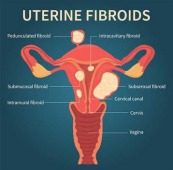
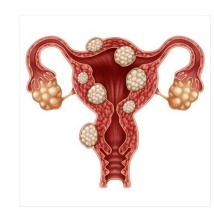
Uterine fibroids are benign growths that develop from the muscular layer of the uterus. They may remain small and
symptom-free or grow large enough to cause discomfort. Hormonal factors, especially estrogen, influence their growth.

Based on location, fibroids are classified as:
● Intramural fibroids – located within the uterine wall
● Submucosal fibroids – growing into the uterine cavity
● Subserosal fibroids – present on the outer surface of the uterus
Understanding the type of fibroid helps in deciding the right fibroids treatment plan.

Common Fibroid Symptoms

Many women with fibroids have no symptoms at all. When symptoms do occur, they
commonly include:
● Heavy or prolonged menstrual bleeding
● Painful periods
● Pelvic pain or pressure
● Frequent urination
● Lower back pain
● Difficulty conceiving
If these fibroids symptoms begin to affect daily life or cause anemia, medical consultation becomes necessary.

How Are Fibroids Diagnosed?

Fibroids diagnosis is usually made through a pelvic examination and ultrasound. Ultrasound helps determine the size, number, and location of fibroids. In certain cases, additional imaging such as MRI may be advised for detailed assessment. Early diagnosis allows better planning and often prevents complications.

Fibroids Treatment Options

Treatment depends on symptoms, age, fibroid size, and reproductive goals

Medical Management

Medicines may help control heavy bleeding and pain. This approach is suitable for women with mild symptoms.

Non-Surgical Fibroids Treatment

Some women may be eligible for non-surgical fibroids treatment, especially when fibroids are small and symptoms are manageable. Proper evaluation is essential before choosing this option.

Surgical Treatment for Fibroids

Surgery is advised when fibroids cause severe symptoms or fertility issues.
Common procedures include:
● Myomectomy, which removes fibroids while preserving the uterus
● Hysterectomy, recommended only when other treatments are unsuitable and when
family is complete
As explained by Dr Shelly Singh, treatment decisions are always individualized and
discussed in detail with the patient.

When Should You See the Best Gynecologist for Fibroids?

You should consult a specialist if you experience heavy bleeding, pelvic pain, or difficulty conceiving. Early consultation with the best gynecologist for fibroids helps avoid unnecessary delays and complications.

Fibroids treatment

Why Choose Dr Shelly Singh for Fibroids Care?

With over 25+ years of experience, Dr Shelly Singh focuses on accurate diagnosis,
conservative management whenever possible, and advanced treatment options when
needed. Women looking for the best doctor for fibroids treatment in Delhi benefit from
her patient-centric and ethical approach.

Frequently Asked Questions (FAQs)

No. Many fibroids do not cause symptoms and only require regular monitoring without active treatment.

Yes. In selected cases, medicines or non-surgical fibroids treatment options may help manage symptoms effectively.

No. Uterine fibroids are almost always non-cancerous, and the risk of cancer is extremely low.

Some fibroids may affect fertility or pregnancy, while many women with fibroids conceive and deliver normally

You should consult a gynecologist if you experience heavy periods, pelvic pain, or fibroids
detected during an ultrasound.

If you are experiencing symptoms or have been diagnosed with fibroids, consult Dr
Shelly Singh for expert fibroids treatment in Delhi. Early evaluation in Delhi helps
ensure the safest and most effective care plan for you.

Trying to get pregnant with PCOS

How I got pregnant with PCOS

Trying to conceive can be emotionally overwhelming, and for women diagnosed with PCOS (Polycystic Ovary Syndrome), the journey may feel even more uncertain. Many women with PCOS do conceive naturally, but others may face delays due to irregular ovulation, hormonal imbalance, or metabolic concerns.

Knowing when to seek medical guidance can make a significant difference—not just in improving pregnancy chances, but also in avoiding unnecessary stress and delays.

In South Delhi, women often consult experienced gynecologists like Dr. Shelly Singh, known for her patient-centric approach to PCOS management and pregnancy planning.

Understanding PCOS and Its Impact on Pregnancy

PCOS is a hormonal condition that affects ovulation. Common issues linked with PCOS include:

  • Irregular or missed periods
  • Delayed or absent ovulation
  • Hormonal imbalance (high androgens)
  • Weight gain or insulin resistance

These factors can make it harder to predict fertile days, which is why many women with PCOS struggle to conceive despite regular attempts.

Important to know: PCOS does not mean infertility. With timely evaluation and proper care, pregnancy is absolutely possible.

How Long Should You Try Before Seeing a Doctor?

While general guidelines suggest trying for one year (or six months if above 35), women with PCOS should not wait that long in certain situations.

You should consider consulting a gynecologist if:

  • Your periods are irregular or absent
  • You are unable to track ovulation
  • You have been trying for 6 months or more without success
  • You are above 30 years of age with known PCOS
  • You have symptoms like excessive facial hair, acne, or sudden weight gain

Early consultation helps identify ovulation issues, hormonal gaps, and lifestyle factors before they become bigger obstacles.

Signs You Should Not Ignore While Trying to Conceive with PCOS

Many women delay medical help, thinking "it will happen naturally." However, ignoring these signs can reduce valuable time:

Cycles longer than 35–40 days

Extended menstrual cycles can indicate irregular ovulation, making it difficult to conceive naturally.

Frequent missed periods

Missing periods regularly suggests hormonal imbalances that need medical attention.

Sudden weight changes affecting cycles

Rapid weight gain or loss can disrupt hormonal balance and ovulation patterns.

Past miscarriage or chemical pregnancy

Previous pregnancy losses may require medical evaluation to prevent recurrence.

Diagnosed PCOS with no cycle regulation

If you have PCOS but haven't regulated your cycles, seeking help can improve conception chances.

Treatment Options to Improve Pregnancy Chances in PCOS

Can PCOS Affect Pregnancy

Treatment is personalized, depending on age, weight, cycle pattern, and overall health.

Common approaches include:

  • Cycle regulation and ovulation support
  • Lifestyle and weight management guidance
  • Hormonal balance correction
  • Timed conception planning
  • Referral only when necessary

Many women conceive with simple medical guidance and monitoring, without needing advanced fertility procedures.

Why Early Guidance Matters in PCOS Pregnancy

Delaying consultation can lead to:

  • Missed ovulation cycles
  • Poor egg quality due to unmanaged hormones
  • Increased stress and anxiety
  • Higher risk of pregnancy complications later

Early care ensures better outcomes—not just conception, but a healthy pregnancy.

Struggling to Get Pregnant with PCOS?

Consult Dr. Shelly Singh, a trusted gynecologist in South Delhi, for personalized PCOS pregnancy guidance.

Book a Consultation Today

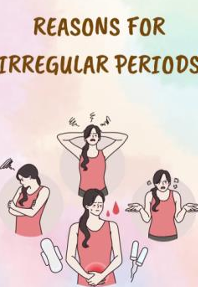
Irregular Periods: Causes, Symptoms, Diagnosis, Treatment

Irregular Periods

Menstrual cycles play a vital role in women’s lives; they can also be a source of confusion and concern—especially when periods don’t arrive on time or follow an unpredictable pattern. While occasional changes are common, irregular periods may sometimes signal an underlying health issue that needs attention.

According to Dr. Shelly Singh, a trusted gynecologist known for her patient-focused approach, understanding what’s normal and what’s not is the first step toward better menstrual health.

What Are Irregular Periods?

A typical menstrual cycle lasts between 21 and 28 days. Periods are considered irregular when:

  • The cycle length changes frequently
  • Periods are missed for months
  • Bleeding is unusually heavy or very light
  • Periods come too often or too far apart

Irregular periods can affect women at different life stages—from teenage years to perimenopause—and the causes can vary widely.

Common Causes of Irregular Periods

1. Hormonal Imbalance

Hormones like estrogen and progesterone regulate the menstrual cycle. Even minor imbalances can delay or skip periods. Conditions such as PCOS (Polycystic Ovary Syndrome) are a common cause.

2. Stress & Lifestyle Factors

Physical or emotional stress, sudden weight change, excessive exercise, poor sleep, or irregular eating habits can interfere with ovulation and affect cycle regularity.

3. Thyroid Disorders

Both hypothyroidism and hyperthyroidism can disrupt the menstrual cycle, leading to missed or irregular periods.

4. PCOS (Polycystic Ovary Syndrome)

One of the most common reasons for irregular periods, PCOS may also cause acne, weight gain, excessive hair growth, and fertility issues.

5. Medications & Contraceptives

Certain birth control pills, emergency contraceptives, antidepressants, and hormonal treatments may temporarily affect cycle timing.

6. Pregnancy or Breastfeeding

Missed periods can be an early sign of pregnancy. Breastfeeding mothers may also experience delayed or irregular cycles.

7. Perimenopause

Women in their late 30s or 40s may notice cycle changes as the body transitions toward menopause.

Symptoms That Often Accompany Irregular Periods

  • Missed periods for 2–3 months or more
  • Very heavy bleeding or spotting between periods
  • Severe cramps or pelvic pain
  • Fatigue or mood changes
  • Acne or sudden weight changes

While some symptoms are mild, others may affect daily life and should not be ignored.

When Should You Worry?

Dr. Shelly Singh advises seeking medical guidance if you experience:

  • Periods stopping for more than three months (without pregnancy)
  • Heavy bleeding lasting more than 7 days
  • Severe pain that interferes with routine activities
  • Sudden changes in the cycle pattern after years of regular periods
  • Irregular periods along with infertility concerns

Early evaluation helps identify the cause and prevents future complications.

How Are Irregular Periods Diagnosed?

A gynecological evaluation may include:

  • Detailed menstrual and medical history
  • Physical and pelvic examination
  • Blood tests to check hormone levels
  • Ultrasound to assess the ovaries and uterus

The goal is always to treat the root cause, not just the symptoms.

Treatment Options for Irregular Periods

Treatment depends on the underlying cause and may include:

  • Lifestyle modifications (diet, stress management, exercise)
  • Hormonal regulation through medication
  • PCOS-specific management plans
  • Thyroid treatment, if required

As Dr. Shelly Singh emphasizes, a personalized approach is essential—what works for one woman may not be right for another.

Final Thoughts

Irregular periods are common, but they should never be dismissed as “normal” without proper evaluation. Your menstrual cycle is an important indicator of overall health. If you’ve noticed ongoing changes or symptoms that concern you, consulting an experienced gynecologist can provide clarity, reassurance, and the right course of action.

Looking for the Best Gynecologist in South Delhi? Contact Dr. Shelly Singh today for expert guidance on irregular periods and comprehensive women’s healthcare!