
Category Periods

Irregular Periods Treatment: Causes, Symptoms & Treatment

Irregular Periods Treatment: When to Consult a Gynecologist

Irregular periods are a common concern among women of all age groups. While occasional fluctuations in the menstrual cycle are normal, persistent irregularity may signal an underlying health issue that requires medical attention. Understanding the right irregular period treatment and knowing when to consult a gynecologist can help prevent complications and improve overall reproductive health.

What Are Irregular Periods?

Irregular periods refer to menstrual cycles that vary in length, frequency, or flow. A typical cycle ranges between 21 and 35 days. If your periods occur outside this range, are missed frequently, or involve excessive bleeding, it is considered irregular.

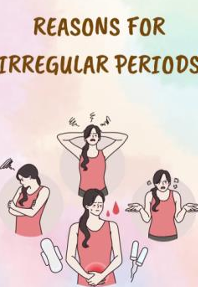
Common Causes of Irregular Periods

1. Hormonal Imbalance

Conditions like PCOS or thyroid disorders can disrupt hormone levels, leading to irregular cycles.

2. Stress and Lifestyle Factors

Excessive stress, poor diet, lack of sleep, and sudden weight changes can affect menstrual health.

3. Medical Conditions

4. Pregnancy or Contraceptive Use

Hormonal contraceptives or early pregnancy can alter cycle patterns.

Symptoms You Should Not Ignore

Irregular Periods Treatment Options

1. Medical Treatment

A gynecologist may recommend the following:

2. Natural Treatment for Irregular Periods

Many women prefer natural treatment for irregular periods, which may include:

3. Lifestyle Changes

Irregular Periods Treatment for Different Groups

Irregular Periods Treatment for Unmarried Women

Hormonal fluctuations, stress, and lifestyle are the most common causes. Treatment focuses on:

Irregular Periods Treatment for Married Women

In married women, irregular periods may be linked to:

Early diagnosis is essential to avoid complications.

Irregular Periods Treatment in Hindi

When to Consult a Gynecologist

You should consult a gynecologist if:

Early consultation ensures timely diagnosis and effective irregular period treatment.

Diagnosis & Tests

A gynecologist may suggest the following:

Why Early Treatment Matters

Ignoring irregular periods can lead to:

Expert Insight

According to experienced gynecologists like Dr. Shelly Singh, irregular periods should never be ignored if they persist for several cycles. Early evaluation and a personalized treatment plan can help manage the condition effectively and prevent long-term complications. Seeking timely medical advice ensures better reproductive health outcomes.

Call to Action (Lead Generation Section)

If you are facing irregular periods or related symptoms, don’t delay your health care.

Book your consultation today to get a personalized treatment plan and expert guidance.

FAQs

The best treatment depends on the underlying cause—hormonal therapy, lifestyle changes, or natural remedies.

Yes, thyroid imbalance is a major cause, and proper thyroid irregular period treatment can regulate cycles.

Yes, natural treatment for irregular periods works well in mild cases when combined with a healthy lifestyle.

If irregularity persists for more than 3 months or is accompanied by severe symptoms, consult a gynecologist.

Looking for the best gynecologist in Delhi NCR? Contact Dr. Shelly Singh today!!!

Missing Periods but Not Pregnant: 10 Possible Reasons

Missing your periods can be distressing—especially when pregnancy tests come back negative. Many women visit hospitals feeling worried, anxious, and confused about what’s

happening to their bodies. The truth is,
missing periods but not pregnant is a
common issue and is often linked to
underlying health or lifestyle factors.
As a trusted gynecologist in Delhi, Dr.
Shelly Singh regularly helps women
identify the cause of delayed 

or missed periods and provides personalized treatment plans. Let’s understand the 10 most common reasons behind missed periods and why timely medical care is
important.

1) Stress and Emotional Imbalance

High stress levels can disrupt the hormonal signals between your brain and ovaries. Work pressure, personal issues, anxiety, or lack of sleep may delay ovulation, leading to missed periods. If stress is ongoing, consult a specialist for missing periods but not pregnant treatment in Delhi to prevent long-term menstrual irregularities.

2) Hormonal Imbalance

Hormones play a vital role in regulating the menstrual cycle. Thyroid disorders, elevated prolactin levels, or estrogen imbalance can easily cause missed periods.
A detailed hormonal evaluation by an experienced women’s health doctor in Delhi can help identify the exact issue.

3) Polycystic Ovary Syndrome (PCOS)

PCOS is one of the most common causes of irregular or missed periods. Symptoms may include:
• Acne
• Excess facial hair
• Weight gain
• Irregular menstrual cycles
Early diagnosis and lifestyle-based treatment can effectively manage PCOS and help restore regular periods.

4) Sudden Weight Loss or Weight Gain

Extreme changes in body weight affect estrogen production. Rapid dieting, excessive workouts, or obesity can interfere with ovulation and result in missed periods. Medical guidance is essential if periods are delayed for more than two months.

5) Excessive Exercise

Over-exercising without proper nutrition puts stress on the body, leading to menstrual cycle disturbances. Athletes and fitness enthusiasts often experience this issue

6) Thyroid Disorders

Both hypothyroidism and hyperthyroidism are often overlooked causes of missed periods. Symptoms may include fatigue, hair loss, mood changes, and menstrual irregularities. Thyroid testing is an important part of irregular periods treatment.

7) Certain Medications

Some medications—such as antidepressants, hormonal contraceptives, chemotherapy drugs, or emergency contraceptive pills—can affect the menstrual cycle. Never stop or change medication without consulting your gynecologist

8) Perimenopause

Women in their late 30s or 40s may experience irregular cycles as the body transitions toward menopause. Missed periods during this phase are common but should still be medically evaluated.

9) Chronic Medical Conditions

Conditions like diabetes, celiac disease, or autoimmune disorders can interfere with hormone levels and menstrual health. Managing the underlying condition often helps restore cycle regularity.

10) Post-Pregnancy or Breastfeeding

If you’ve recently delivered a baby or are breastfeeding, it’s normal for periods to be delayed for several months. However, prolonged absence of menstruation should be assessed by a gynecologist in Delhi.

When Should You See a doctor?

You should seek medical advice if:
• Periods are absent for more than 2 months
• Pregnancy tests are negative
• You experience severe pain or heavy bleeding
• Menstrual cycles are frequently irregular
Early diagnosis helps prevent complications related to fertility and hormonal health

Expert Care for Missed Periods in Delhi

Dr. Shelly Singh is a highly experienced gynecologist known for her compassionate,
evidence-based approach to women’s health. If you’re looking for reliable treatment for
missing periods but not pregnant in Delhi, her hospital offers:
• Personalized diagnosis
• Advanced hormonal testing
• PCOS and thyroid management
• Lifestyle and medical treatment plans
Conveniently located in Delhi, Dr. Shelly Singh provides trusted care for menstrual and hormonal concerns.

Book an Appointment Today

Ignoring missed periods can lead to long-term reproductive health issues. If you’re
experiencing delayed or irregular cycles, don’t wait.
Consult Dr. Shelly Singh, Gynecologist in Delhi, for expert evaluation and
effective treatment.

Irregular Periods: Causes, Symptoms, Diagnosis, Treatment

Irregular Periods

Menstrual cycles play a vital role in women’s lives; they can also be a source of confusion and concern—especially when periods don’t arrive on time or follow an unpredictable pattern. While occasional changes are common, irregular periods may sometimes signal an underlying health issue that needs attention.

According to Dr. Shelly Singh, a trusted gynecologist known for her patient-focused approach, understanding what’s normal and what’s not is the first step toward better menstrual health.

What Are Irregular Periods?

A typical menstrual cycle lasts between 21 and 28 days. Periods are considered irregular when:

  • The cycle length changes frequently
  • Periods are missed for months
  • Bleeding is unusually heavy or very light
  • Periods come too often or too far apart

Irregular periods can affect women at different life stages—from teenage years to perimenopause—and the causes can vary widely.

Common Causes of Irregular Periods

1. Hormonal Imbalance

Hormones like estrogen and progesterone regulate the menstrual cycle. Even minor imbalances can delay or skip periods. Conditions such as PCOS (Polycystic Ovary Syndrome) are a common cause.

2. Stress & Lifestyle Factors

Physical or emotional stress, sudden weight change, excessive exercise, poor sleep, or irregular eating habits can interfere with ovulation and affect cycle regularity.

3. Thyroid Disorders

Both hypothyroidism and hyperthyroidism can disrupt the menstrual cycle, leading to missed or irregular periods.

4. PCOS (Polycystic Ovary Syndrome)

One of the most common reasons for irregular periods, PCOS may also cause acne, weight gain, excessive hair growth, and fertility issues.

5. Medications & Contraceptives

Certain birth control pills, emergency contraceptives, antidepressants, and hormonal treatments may temporarily affect cycle timing.

6. Pregnancy or Breastfeeding

Missed periods can be an early sign of pregnancy. Breastfeeding mothers may also experience delayed or irregular cycles.

7. Perimenopause

Women in their late 30s or 40s may notice cycle changes as the body transitions toward menopause.

Symptoms That Often Accompany Irregular Periods

  • Missed periods for 2–3 months or more
  • Very heavy bleeding or spotting between periods
  • Severe cramps or pelvic pain
  • Fatigue or mood changes
  • Acne or sudden weight changes

While some symptoms are mild, others may affect daily life and should not be ignored.

When Should You Worry?

Dr. Shelly Singh advises seeking medical guidance if you experience:

  • Periods stopping for more than three months (without pregnancy)
  • Heavy bleeding lasting more than 7 days
  • Severe pain that interferes with routine activities
  • Sudden changes in the cycle pattern after years of regular periods
  • Irregular periods along with infertility concerns

Early evaluation helps identify the cause and prevents future complications.

How Are Irregular Periods Diagnosed?

A gynecological evaluation may include:

  • Detailed menstrual and medical history
  • Physical and pelvic examination
  • Blood tests to check hormone levels
  • Ultrasound to assess the ovaries and uterus

The goal is always to treat the root cause, not just the symptoms.

Treatment Options for Irregular Periods

Treatment depends on the underlying cause and may include:

  • Lifestyle modifications (diet, stress management, exercise)
  • Hormonal regulation through medication
  • PCOS-specific management plans
  • Thyroid treatment, if required

As Dr. Shelly Singh emphasizes, a personalized approach is essential—what works for one woman may not be right for another.

Final Thoughts

Irregular periods are common, but they should never be dismissed as “normal” without proper evaluation. Your menstrual cycle is an important indicator of overall health. If you’ve noticed ongoing changes or symptoms that concern you, consulting an experienced gynecologist can provide clarity, reassurance, and the right course of action.

Looking for the Best Gynecologist in South Delhi? Contact Dr. Shelly Singh today for expert guidance on irregular periods and comprehensive women’s healthcare!