Date Archives May 2026

What is Antenatal Care and Why is it Important?

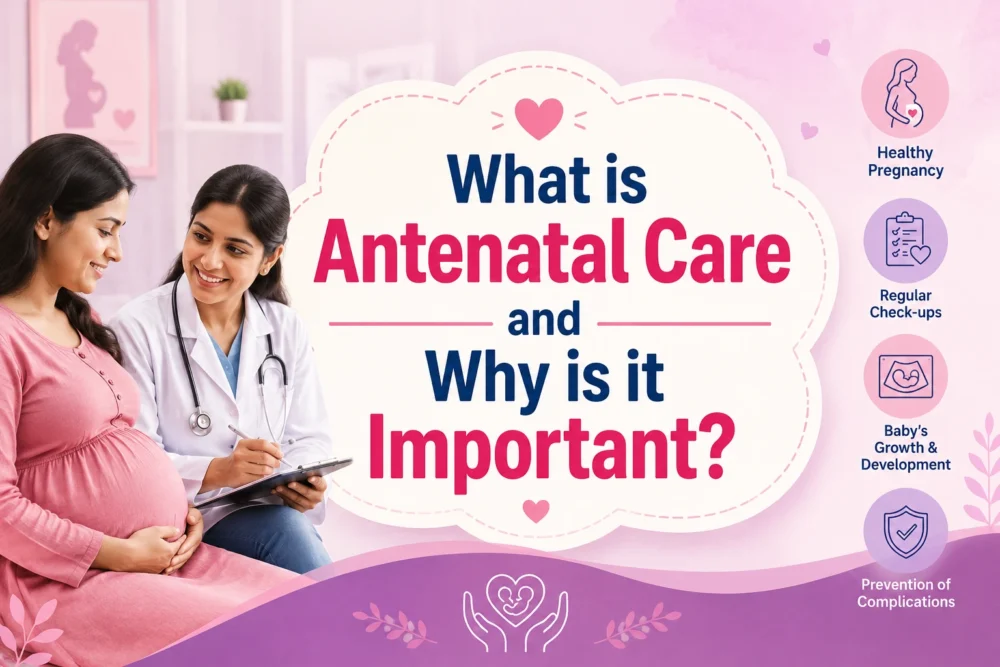
What is Antenatal Care and Why is it Important?

Pregnancy is one of the most beautiful and life-changing journeys in a woman’s life. Along with the excitement of welcoming a new baby, pregnancy also brings physical, emotional, and medical changes that require expert attention and regular monitoring. This is where antenatal care becomes essential.

Antenatal care is not just about routine doctor visits; it is a complete healthcare approach designed to ensure the well-being of both mother and baby throughout pregnancy. Regular antenatal checkups help detect potential complications early, promote healthy fetal development, and prepare mothers for safe delivery and postpartum recovery.

According to experienced women’s healthcare professionals like Dr. Shelly Singh, timely antenatal care plays a major role in reducing pregnancy-related risks and improving maternal and newborn health outcomes.

In this blog, we will understand what antenatal care means, why it is important, what happens during antenatal visits, and how expert pregnancy care can help ensure a healthy and stress-free pregnancy.

What is Antenatal Care?

Antenatal care, also known as prenatal care, refers to the medical care and support a pregnant woman receives throughout her pregnancy. It includes regular health checkups, medical screenings, ultrasounds, nutritional guidance, and monitoring of both the mother and the growing baby.

The primary goals of antenatal care are to:

  • Monitor the health of the mother and baby
  • Identify pregnancy complications early
  • Ensure healthy fetal growth and development
  • Educate mothers about pregnancy, childbirth, and newborn care
  • Reduce the risk of pregnancy-related complications
  • Promote a safe and healthy delivery

Antenatal care begins as soon as pregnancy is confirmed and continues until childbirth.

Why is Antenatal Care Important?

Many pregnancy complications develop silently and may not show symptoms in the early stages. Regular antenatal visits help doctors identify these issues before they become serious.

1. Early Detection of Pregnancy Complications

Regular pregnancy checkups help detect conditions such as:

  • High blood pressure during pregnancy
  • Gestational diabetes
  • Thyroid disorders
  • Anemia
  • Infections
  • Fetal growth abnormalities
  • Placenta-related complications

Early diagnosis allows timely treatment and reduces risks for both mother and baby.

2. Monitoring Baby’s Growth and Development

During antenatal visits, doctors monitor the baby’s heartbeat, growth, movement, and overall development through physical examinations and ultrasound scans.

These tests help ensure the following:

  • Proper fetal growth
  • Healthy amniotic fluid levels
  • Normal placental function
  • Correct fetal position
  • Healthy development of organs and body systems

Regular fetal monitoring gives parents’ reassurance and helps identify concerns at the right time.

3. Ensures Maternal Health During Pregnancy

Pregnancy places extra demands on a woman’s body. Antenatal care helps maintain the mother’s physical and emotional well-being through:

  • Blood pressure monitoring
  • Weight management
  • Nutritional guidance
  • Supplement recommendations
  • Mental health support
  • Lifestyle counseling


Experienced gynecologists like Dr. Shelly Singh emphasize personalized pregnancy care plans to support mothers through every stage of pregnancy.

4. Reduces the Risk of Preterm Birth and Delivery Complications

Women who receive proper antenatal care are more likely to have healthier pregnancies and safer deliveries.

Routine checkups help reduce risks associated with:

  • Premature birth
  • Low birth weight
  • Pregnancy-induced hypertension
  • Emergency cesarean section
  • Labor complications

Timely intervention can significantly improve outcomes for both mother and baby.

5. Provides Guidance for a Healthy Pregnancy

Antenatal care also focuses on educating expecting mothers about healthy pregnancy habits. Doctors usually provide advice regarding:

  • Healthy pregnancy diet
  • Exercise during pregnancy
  • Prenatal vitamins
  • Sleep and stress management
  • Avoiding smoking and alcohol
  • Safe medications during pregnancy
  • Breastfeeding preparation

This guidance helps mothers make informed decisions and maintain a healthy lifestyle throughout pregnancy.

When Should You Start Antenatal Care?

Experts recommend scheduling your first antenatal appointment as soon as pregnancy is confirmed, ideally within the first 6 to 8 weeks.

Early antenatal care is especially important for women with:

  • High-risk pregnancies
  • Previous miscarriage history
  • Diabetes or hypertension
  • Thyroid disorders
  • Multiple pregnancies (twins/triplets)
  • Advanced maternal age

Early consultation with an experienced gynecologist can help create a safe pregnancy management plan.

What Happens During Antenatal Visits?

Each antenatal appointment focuses on monitoring maternal and fetal health.

Common Antenatal Checkups Include the Following:

Medical History Review

Doctors evaluate:

  • Previous pregnancies
  • Existing health conditions
  • Family medical history
  • Lifestyle habits

Physical Examination

This includes:

  • Blood pressure check
  • Weight monitoring
  • Abdominal examination
  • Baby’s heartbeat monitoring

Blood and Urine Tests

These tests help detect:

  • Anemia
  • Gestational diabetes
  • Infections
  • Blood group compatibility

Ultrasound Scans

Ultrasounds help monitor fetal growth and identify developmental concerns.

Nutritional and Lifestyle Counseling

Doctors guide mothers on:

  • Pregnancy nutrition
  • Weight management
  • Exercise routines
  • Mental wellness

Antenatal Care Schedule During Pregnancy

The frequency of antenatal visits may vary depending on the pregnancy condition.

Typical Antenatal Visit Schedule:

Pregnancy Stage Recommended Visits
Up to 28 weeks Once every month
28 to 36 weeks Twice a month
36 weeks until delivery Weekly visits

High-risk pregnancies may require more frequent monitoring.

Signs You Should Immediately Consult a Gynecologist During Pregnancy

Seek immediate medical attention if you experience:

  • Severe abdominal pain
  • Vaginal bleeding
  • Reduced fetal movements
  • Severe headache or blurred vision
  • High fever
  • Swelling in hands or face
  • Continuous vomiting
  • Leakage of fluid

Timely medical care can help prevent serious pregnancy complications.

Benefits of Choosing Expert Antenatal Care

Choosing an experienced pregnancy specialist ensures comprehensive monitoring and personalized support throughout your pregnancy journey.

Women looking for the best prenatal care often search for the following:

  • Best gynecologist for pregnancy care
  • Pregnancy specialist near me
  • Maternity care clinic
  • High-risk pregnancy doctor
  • Prenatal care expert
  • Normal delivery specialist

Experienced professionals like Dr. Shelly Singh focus on evidence-based maternity care, advanced pregnancy monitoring, and patient-centered support to help mothers experience safe and healthy pregnancies.

Importance of Nutrition During Antenatal Care

A healthy diet plays a major role in fetal development and maternal health.

Essential Nutrients During Pregnancy:

  • Folic acid for brain and spinal cord development
  • Iron for preventing anemia
  • Calcium for strong bones
  • Protein for fetal growth
  • Omega-3 fatty acids for brain development

Doctors may also recommend prenatal supplements based on individual health needs.

Mental Health and Emotional Support During Pregnancy

Pregnancy can also impact emotional well-being. Hormonal changes, anxiety about childbirth, and lifestyle adjustments may cause emotional stress.

Antenatal care includes mental health support through:

  • Emotional counseling
  • Stress management techniques
  • Sleep guidance
  • Family support discussions
  • Pregnancy education

Maintaining emotional wellness is equally important for a healthy pregnancy.

Antenatal Care for High-Risk Pregnancies

Some pregnancies require extra monitoring and specialized medical attention.

High-Risk Pregnancy Conditions Include:

  • Gestational diabetes
  • High blood pressure
  • Multiple pregnancy
  • Placenta previa
  • Recurrent miscarriages
  • Preterm labor history
  • Advanced maternal age

Specialized antenatal care helps manage these conditions effectively and improves pregnancy outcomes.

How Antenatal Care Helps Ensure Safe Delivery

One of the most important goals of antenatal care is preparing mothers for labor and delivery. Doctors help expecting parents understand:

  • Labor signs
  • Birth planning
  • Pain management options
  • Normal delivery preparation
  • Cesarean section indications
  • Postpartum recovery
  • Breastfeeding guidance

Proper preparation reduces anxiety and helps mothers feel confident before childbirth.

Why Choosing the Right Gynecologist Matters

Your gynecologist plays a critical role throughout pregnancy. An experienced and compassionate doctor can provide:

  • Accurate pregnancy monitoring
  • Personalized treatment plans
  • Emergency pregnancy management
  • Safe delivery planning
  • Continuous emotional support

Many expecting mothers prefer consulting trusted specialists like Dr. Shelly Singh for comprehensive antenatal and maternity care.

Final Thoughts

Antenatal care is one of the most important aspects of a healthy pregnancy. Regular pregnancy checkups not only protect the health of the mother but also ensure the proper growth and development of the baby.

From early pregnancy monitoring to delivery preparation, antenatal care helps reduce complications, improve maternal health, and provide peace of mind throughout the pregnancy journey.

If you are planning a pregnancy or have recently conceived, consulting an experienced gynecologist at the earliest can make a significant difference in ensuring a safe and healthy pregnancy experience.

For expert maternity care, personalized pregnancy guidance, and advanced antenatal monitoring, many families trust experienced specialists like Dr. Shelly Singh for compassionate and comprehensive women’s healthcare.

Frequently Asked Questions (FAQs)

Antenatal care refers to the medical care, monitoring, and support provided to a woman during pregnancy to ensure the health of both mother and baby.

You should ideally start antenatal care as soon as your pregnancy is confirmed, preferably within the first trimester.

Most women require monthly visits initially, followed by more frequent visits during the later stages of pregnancy.

Regular checkups help detect complications early, monitor fetal growth, and ensure a healthy pregnancy and safe delivery.

Yes, proper antenatal care significantly reduces the risk of complications such as preterm birth, gestational diabetes, and high blood pressure.

Book Your Pregnancy Consultation Today

Looking for expert antenatal care and personalized pregnancy support? Schedule your consultation with an experienced women’s healthcare specialist like Dr. Shelly Singh for comprehensive maternity care, regular pregnancy monitoring, and safe delivery guidance. Early pregnancy care can make all the difference for a healthy mother and baby.

Looking for the best gynecologist in Delhi? Contact Dr. Shelly Singh now!!!

Intrauterine Contraceptive Devices

Intrauterine Contraceptive Devices (IUCD): Copper T vs Mirena – Which Birth Control Option Is Right for You?

When it comes to safe, long-term, and highly effective birth control methods, intrauterine contraceptive devices (IUCDs) are among the most trusted choices recommended by gynecologists worldwide. Women today are increasingly looking for non-surgical, reversible, and low-maintenance contraception options that fit their lifestyle and reproductive goals.

Among the most commonly used IUCDs are Copper T and Mirena. While both are inserted into the uterus to prevent pregnancy, they work differently and offer unique benefits.

If you are confused about choosing between Copper T and Mirena, this detailed guide by Dr. Shelly Singh will help you understand their differences, benefits, side effects, cost considerations, and which option may suit you best.

What Are Intrauterine Contraceptive Devices (IUCDs)?

An intrauterine contraceptive device (IUCD) is a small T-shaped device inserted into the uterus by a qualified gynecologist to prevent pregnancy. IUCDs are considered one of the most effective reversible contraception methods available today.

They are popular because they:

  • Provide long-term pregnancy protection
  • Are reversible and fertility returns after removal
  • Require minimal maintenance
  • Are highly effective (more than 99%)
  • Are suitable for many women, including mothers after childbirth

IUCDs are mainly divided into two categories:

  1. Copper-based IUCDs (Copper T)
  2. Hormonal IUCDs (Mirena)

What Is Copper T?

Copper T is a non-hormonal intrauterine contraceptive device wrapped with copper wire. The copper creates an environment that prevents sperm from fertilizing the egg.

Copper T is widely preferred by women who:

  • Want hormone-free birth control
  • Need long-term contraception
  • Are breastfeeding
  • Want a cost-effective family planning option

How Copper T Works

Copper ions released from the device:

  • Reduce sperm mobility
  • Prevent sperm from reaching the egg
  • Create changes in the uterus that reduce chances of implantatio

Duration of Copper T

Depending on the type, the copper T can provide protection for

  • 5 years
  • 10 years

Benefits of Copper T

  • Hormone-free contraception
  • Long-lasting protection
  • Highly effective birth control
  • Safe during breastfeeding
  • Quick fertility return after removal
  • Affordable contraceptive option
  • Minimal ongoing maintenance

Possible Side Effects of Copper T

Some women may experience:

  • Heavy periods
  • Increased menstrual cramps
  • Spotting between periods
  • Mild discomfort after insertion

These symptoms usually improve within a few months.

What Is Mirena?

Mirena is a hormonal intrauterine system (IUS) that releases a small amount of levonorgestrel hormone into the uterus.

Unlike the Copper T, Mirena not only prevents pregnancy but can also help manage several gynecological conditions.

How Mirena Works

Mirena prevents pregnancy by

  • Thickening cervical mucus
  • Preventing sperm movement
  • Thinning the uterine lining
  • In some cases, suppressing ovulation

Duration of Mirena

Mirena typically provides contraception for:

  • Up to 8 years

Benefits of Mirena

  • Extremely effective birth control
  • Lighter periods or no periods over time
  • Reduced menstrual pain
  • Helpful for women with heavy bleeding
  • Can help manage endometriosis symptoms
  • Convenient and low-maintenance
  • Reversible fertility control

Possible Side Effects of Mirena

Some women may experience:

  • Irregular spotting initially
  • Hormonal side effects such as acne or mood changes
  • Breast tenderness
  • Headaches
  • Ovarian cysts in some cases

Most side effects reduce within the first few months after insertion.

Copper T vs Mirena: Key Differences

Feature Copper T Mirena
Type Non-hormonal IUCD Hormonal IUCD
Hormones No Yes
Duration 5–10 years Up to 8 years
Effect on Periods May increase bleeding Often reduces bleeding
Best For Women wanting hormone-free contraception Women with heavy periods or painful menstruation
Cost More affordable Higher initial cost
Breastfeeding Friendly Yes Usually yes under doctor guidance
Fertility After Removal Returns quickly Returns quickly

Who Should Choose Copper T?

Copper T may be suitable if you:

  • Prefer hormone-free birth control
  • Want long-term contraception
  • Have regular menstrual cycles
  • Are looking for affordable contraception
  • Need emergency contraception within 5 days of unprotected intercourse

Who Should Choose Mirena?

Mirena may be ideal if you:

  • Have heavy menstrual bleeding
  • Experience painful periods
  • Want lighter or absent periods
  • Need both contraception and therapeutic gynecological benefits
  • Prefer a low-maintenance hormonal birth control option

Is IUCD Insertion Painful?

Most women experience only mild discomfort during insertion. The procedure is quick and usually completed within a few minutes in the clinic.

Some women may feel:

  • Mild cramping
  • Temporary dizziness
  • Light spotting afterward

Experienced gynecologists like Dr. Shelly Singh ensure safe, comfortable, and hygienic insertion procedures with proper counseling before and after placement.

When Is the Best Time for IUCD Insertion?

An IUCD can be inserted

  • During periods
  • After childbirth
  • After a cesarean section
  • After abortion under medical supervision

The right timing depends on your health condition, menstrual cycle, and reproductive goals.

Are the Copper T and Mirena safe?

Yes, both Copper T and Mirena are considered safe and effective when inserted by a qualified gynecologist.

However, they may not be suitable for women with:

  • Active pelvic infections
  • Certain uterine abnormalities
  • Unexplained vaginal bleeding
  • Copper allergy (for the copper T)
  • Hormone-sensitive conditions (for Mirena)

A proper gynecological consultation is important before choosing any contraceptive method.

How Effective Are IUCDs?

Both Copper T and Mirena are more than 99% effective in preventing pregnancy, making them among the most reliable contraceptive methods available.

Their effectiveness is comparable to permanent sterilization but with the advantage of reversibility.

Can Pregnancy Happen with a Copper T or Mirena?

Pregnancy with an IUCD is rare but possible in very uncommon cases.

You should immediately consult a gynecologist if you experience:

  • Missed periods
  • Severe abdominal pain
  • Positive pregnancy test
  • Unusual bleeding

Regular follow-up visits help ensure proper IUCD placement and function.

Recovery and Aftercare Following IUCD Insertion

After insertion, women are generally advised to:

  • Avoid intercourse for 24–48 hours
  • Monitor for unusual pain or fever
  • Attend follow-up appointments
  • Check for IUCD strings periodically if advised

Most women can resume normal activities the same day.

Why Choose Dr. Shelly Singh for IUCD Consultation and Insertion?

Choosing the right gynecologist is essential for safe and effective contraceptive care.

Dr. Shelly Singh is known for providing the following:

  • Personalized family planning guidance
  • Advanced gynecological care
  • Safe Copper T and Mirena insertion
  • Confidential consultations
  • Compassionate women’s healthcare support
  • Evidence-based treatment recommendations

Whether you are looking for long-term birth control, postpartum contraception, or treatment for heavy periods, expert evaluation can help you make the best decision.

Frequently Asked Questions (FAQs)

1. Which is better: Copper T or Mirena?

The best option depends on your medical history, menstrual pattern, and personal preferences. The Copper T is ideal for hormone-free contraception, while Mirena is beneficial for women with heavy or painful periods.

2.Can I get pregnant after removing the IUCD?

Yes. Fertility usually returns quickly after the removal of both the Copper T and Mirena.

3. Is Mirena good for heavy bleeding?

Yes. Mirena is commonly recommended for women with excessive menstrual bleeding.

4. How much does the Copper T or Mirena cost?

The cost varies depending on the clinic, brand, and consultation charges. Copper T is generally more affordable than Mirena.

5. Can IUCDs affect future fertility?

No. IUCDs are reversible contraceptive methods and do not permanently affect fertility.

Book Your IUCD Consultation with Dr. Shelly Singh

If you are considering Copper T insertion or Mirena insertion or need expert advice for the best contraception method, consult Dr. Shelly Singh for personalized women’s healthcare solutions.

Early consultation can help you choose a safe, comfortable, and effective birth control method tailored to your lifestyle and reproductive health goals.

Schedule Your Appointment Today

  • Expert Gynecology Consultation
  • Safe IUCD Insertion Procedures
  • Personalized Contraception Planning
  • Advanced Women’s Healthcare Support

Conclusion

Intrauterine contraceptive devices such as Copper T and Mirena are highly effective, safe, and convenient options for women seeking long-term contraception.

The right choice depends on your body, health condition, menstrual cycle, and future pregnancy plans. A proper consultation with an experienced gynecologist can help you make an informed and confident decision.

If you are exploring reliable birth control solutions or need expert women’s healthcare guidance, consult Dr. Shelly Singh for personalized and evidence-based gynecological care.

First Trimester of Pregnancy: Symptoms, Care & What Matters Most

What to Expect During Your First Pregnancy Trimester

The first-trimester pregnancy phase is one of the most crucial stages in a woman’s journey to motherhood. Whether you searched for “first trimester of pregnancy,” “1st trimester pregnancy symptoms,” or “pregnancy trimesters,” understanding this phase helps ensure a healthy pregnancy for both mother and baby.

In this guide, we’ll cover everything—from symptoms and body changes to warning signs and expert care tips—so you know exactly what to expect.

What is the First Trimester of Pregnancy?

The first trimester of pregnancy lasts from week 1 to week 12. During this time, your baby develops rapidly, and your body undergoes significant hormonal changes.

Pregnancy is divided into three stages:

  • First trimester pregnancy (0–12 weeks)
  • Second trimester of pregnancy (13–26 weeks)
  • Third trimester pregnancy (27–40 weeks)

1st Trimester Pregnancy Symptoms

Many women experience early signs that confirm pregnancy. The most common first- trimester pregnancy symptoms include the following:

  • Morning sickness (nausea and vomiting)
  • Fatigue and weakness
  • Breast tenderness
  • Frequent urination
  • Mood swings
  • Mild cramping

These are also referred to as 1st trimester pregnancy symptoms, and they vary from woman to woman.

Signs Your Pregnancy is Going Well in the First Trimester

Many women worry if everything is progressing normally. Here are signs your pregnancy is going well in the first trimester:

  • Hormonal fluctuations increase
  • The uterus starts expanding
  • Blood volume rises
  • The digestive system slows down

You may also experience leg pain in the first trimester of pregnancy, which is usually due to hormonal and circulation changes.

Common Health Concerns in Early Pregnancy

1. White Discharge During Pregnancy

Vaginal discharge is common in all stages:

  • White discharge during pregnancy in the first trimester – Normal if odorless and milky

Consult a doctor if the discharge has a foul smell or unusual color.

2. Headaches in Pregnancy

Headaches in the first trimester of pregnancy are more common, but some women may experience them early due to hormonal changes and dehydration.

3. COVID and Pregnancy

Concerns like COVID-19 and the second trimester highlight the importance of immunity and regular medical supervision throughout pregnancy.

Lifestyle Tips for a Healthy First Trimester

To ensure a smooth first trimester of pregnancy, follow these tips:

Diet and Nutrition

  • Eat folic acid-rich foods
  • Stay hydrated
  • Avoid raw or processed foods

Physical Activity

  • Light walking
  • Prenatal yoga (doctor-approved)

Medical Care

  • Regular checkups
  • Early ultrasound scans

Can You Have Sex During the First Trimester of Pregnancy?

A common question is about sex in the first trimester of pregnancy.

Yes, it is generally safe if:

  • There are no complications
  • Your doctor has not advised otherwise

    Avoid if:
  • You have bleeding issues
  • High-risk pregnancy

Emotional Changes in First Trimester Pregnancy

Hormonal changes can affect your mood. It is normal to feel the following:

  • Anxious
  • Emotional
  • Overwhelmed

Support from family and doctors is essential during this phase.

When to See a Doctor Immediately

Seek medical help if you experience:

  • Heavy bleeding
  • Severe abdominal pain
  • High fever
  • Unusual discharge

Severe vomiting and inability to keep any food or water down with dehydration (Hyperemesis gravidarum)

Expert Care for a Healthy Pregnancy

The first trimester of pregnancy sets the foundation for your baby’s development. Regular monitoring, proper nutrition, and timely medical consultation are key to avoiding complications.

Book Your Consultation Today

If you are experiencing symptoms like the following:

  • White discharge during pregnancy
  • Severe nausea
  • Leg pain or headaches
  • Any unusual discomfort

Do not ignore early signs.

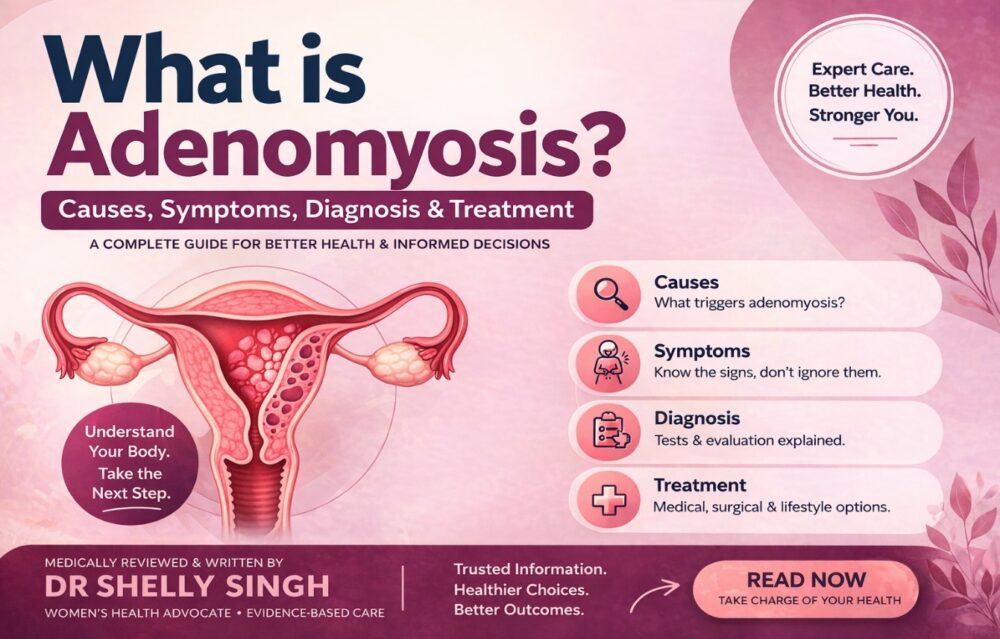
What is Adenomyosis: Causes, Symptoms, Diagnosis & Treatment

Adenomyosis is a common yet often misunderstood uterine condition affecting women, especially during their reproductive years. If you’ve ever searched “What is adenomyosis in the uterus?” or wondered, “Is adenomyosis dangerous?” this guide provides medically accurate, experience-backed answers written  and patient clarity in mind.

What is Adenomyosis?

Adenomyosis occurs when the inner lining of the uterus (endometrium) grows into the
muscular wall of the uterus. This leads to an enlarged uterus, painful periods, and heavy
bleeding.
In simple terms, it is when uterine tissue grows where it should not.
Many people also search:
• What is adenomyosis
• What is adenomyosis of the uterus?
Both refer to the same condition.

What Causes Adenomyosis?

If you are asking, “What causes adenomyosis?” the exact cause is not fully confirmed, but several factors are believed to contribute:
Possible causes include the following:
• Hormonal imbalance, especially estrogen dominance
• Previous uterine surgeries, such as C-section or fibroid removal
• Childbirth-related inflammation
• Genetic predisposition
• Invasive tissue growth from the endometrium

Adenomyosis Symptoms

Many women search “What are adenomyosis symptoms?” when trying to identify their
condition

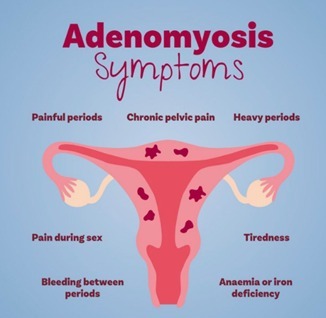
Common symptoms include:
• Heavy menstrual bleeding (menorrhagia)
• Severe menstrual cramps
• Chronic pelvic pain
• Tiredness
• Anaemia or Iron Deficiency
• Blood clots during periods
• Pain during Sex
Some women may have no symptoms at all, which
makes diagnosis difficult.

Is Adenomyosis Dangerous?

A common concern is “Is adenomyosis dangerous?”
It is not life-threatening, but it can significantly affect quality of life
Potential risks include the following:
• Severe anemia due to heavy bleeding
• Chronic pain
• Fertility challenges

Can You Get Pregnant with Adenomyosis?

Common related queries include:
• Can adenomyosis be cured
• Can I get pregnant with adenomyosis
• Can you get pregnant with adenomyosis
Pregnancy is possible, but it may be more difficult. There can be higher risks of miscarriage
or complications. Early diagnosis and proper treatment improve the chances.

Can You Get Pregnant with Adenomyosis?

Doctors use multiple methods to diagnose adenomyosis:
• Ultrasound
• MRI, which is the most accurate imaging method
• Pelvic examination
• Review of medical history
It is often confused with fibroids, so expert evaluation is important.

Best Treatment for Adenomyosis

If you have searched “What is the best treatment for adenomyosis?” or “How to cure
adenomyosis,” here are the recommended options:
Non-surgical treatments:
• Pain relievers
• Hormonal therapy such as birth control pills or IUDs
• Anti-inflammatory medicines
Advanced treatments:
• Uterine artery embolization
• Endometrial ablation
Surgical option:
• Hysterectomy is considered a permanent solution in severe cases

Can Adenomyosis Be Cured?

A common question is “Can adenomyosis be cured?”
A complete cure is possible only through hysterectomy. However, symptoms can be
effectively managed with medications and therapies.

“How I Cured My Adenomyosis” Reality Check

Many blogs use the phrase “How I cured my adenomyosis.”
Lifestyle changes such as diet improvements and stress management can help reduce
symptoms, but medical treatment is still necessary for proper management.

Common Confusion

“What is adenomyosis of the gallbladder?” is an incorrect or misleading term. Adenomyosis affects only the uterus, not the gallbladder.

Quick Summary

Key Factors & Details

A quick overview for better understanding

Factor
Details
Condition
Uterine disorder
Main Symptoms
Painful and heavy menstrual periods
Causes
Hormonal imbalance, previous surgeries, or genetic factors
Pregnancy
Pregnancy is possible but may become more challenging
Cure
Severe cases may require surgical treatment

When Should You See a doctor?

Consult a specialist if you experience:
• Extremely painful periods
• Heavy bleeding affects daily life
• Difficulty getting pregnant

Book Expert Consultation

If you or someone you know is experiencing symptoms of adenomyosis, early diagnosis can help prevent complications.

Get expert care by consulting a qualified gynecologist. Book an appointment with Dr. Shelly Singh today!!!

Irregular Periods Treatment: Causes, Symptoms & Treatment

Irregular Periods Treatment: When to Consult a Gynecologist

Irregular periods are a common concern among women of all age groups. While occasional fluctuations in the menstrual cycle are normal, persistent irregularity may signal an underlying health issue that requires medical attention. Understanding the right irregular period treatment and knowing when to consult a gynecologist can help prevent complications and improve overall reproductive health.

What Are Irregular Periods?

Irregular periods refer to menstrual cycles that vary in length, frequency, or flow. A typical cycle ranges between 21 and 35 days. If your periods occur outside this range, are missed frequently, or involve excessive bleeding, it is considered irregular.

Common Causes of Irregular Periods

1. Hormonal Imbalance

Conditions like PCOS or thyroid disorders can disrupt hormone levels, leading to irregular cycles.

2. Stress and Lifestyle Factors

Excessive stress, poor diet, lack of sleep, and sudden weight changes can affect menstrual health.

3. Medical Conditions

4. Pregnancy or Contraceptive Use

Hormonal contraceptives or early pregnancy can alter cycle patterns.

Symptoms You Should Not Ignore

Irregular Periods Treatment Options

1. Medical Treatment

A gynecologist may recommend the following:

2. Natural Treatment for Irregular Periods

Many women prefer natural treatment for irregular periods, which may include:

3. Lifestyle Changes

Irregular Periods Treatment for Different Groups

Irregular Periods Treatment for Unmarried Women

Hormonal fluctuations, stress, and lifestyle are the most common causes. Treatment focuses on:

Irregular Periods Treatment for Married Women

In married women, irregular periods may be linked to:

Early diagnosis is essential to avoid complications.

Irregular Periods Treatment in Hindi

When to Consult a Gynecologist

You should consult a gynecologist if:

Early consultation ensures timely diagnosis and effective irregular period treatment.

Diagnosis & Tests

A gynecologist may suggest the following:

Why Early Treatment Matters

Ignoring irregular periods can lead to:

Expert Insight

According to experienced gynecologists like Dr. Shelly Singh, irregular periods should never be ignored if they persist for several cycles. Early evaluation and a personalized treatment plan can help manage the condition effectively and prevent long-term complications. Seeking timely medical advice ensures better reproductive health outcomes.

Call to Action (Lead Generation Section)

If you are facing irregular periods or related symptoms, don’t delay your health care.

Book your consultation today to get a personalized treatment plan and expert guidance.

FAQs

The best treatment depends on the underlying cause—hormonal therapy, lifestyle changes, or natural remedies.

Yes, thyroid imbalance is a major cause, and proper thyroid irregular period treatment can regulate cycles.

Yes, natural treatment for irregular periods works well in mild cases when combined with a healthy lifestyle.

If irregularity persists for more than 3 months or is accompanied by severe symptoms, consult a gynecologist.

Looking for the best gynecologist in Delhi NCR? Contact Dr. Shelly Singh today!!!