By Dr. Shelly Singh, MBBS, MD – Obstetrics & Gynaecology
Gynecologist, Obstetrician, Infertility Specialist
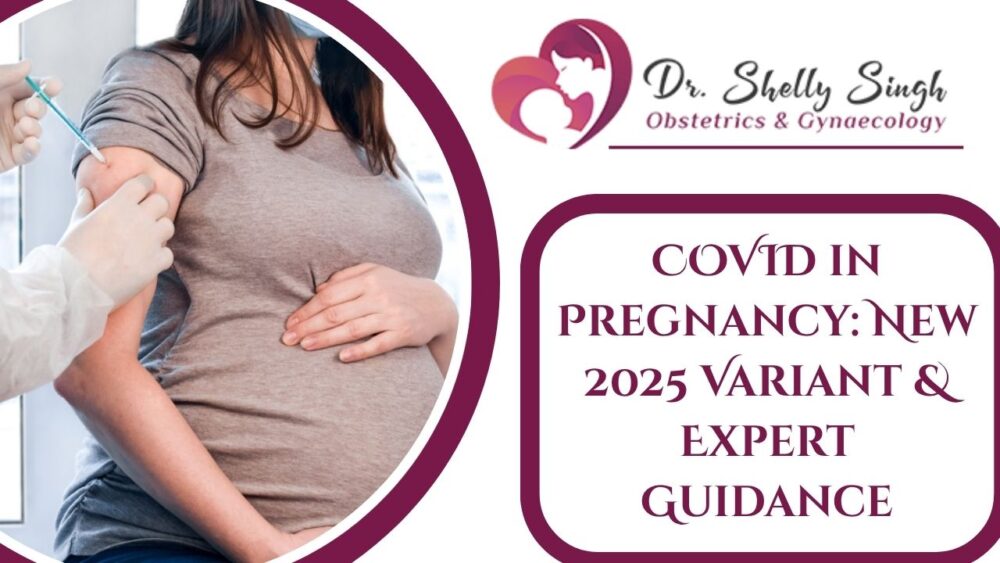
The new COVID variant 2025 has caused renewed concern, particularly for pregnant women. As the virus keeps changing, it is essential to be informed and careful but not anxious. According to Dr. Shelly Singh, a women’s health specialist, knowing the impact of COVID in pregnancy can guide you to take the appropriate precautions and have a secure pregnancy experience.
What Is This New Variant of COVID (COVID in pregnancy)?
The emerging COVID variant 2025 is a relative of the Omicron lineage. It has received surface spike mutations that render it more infectious. Fortunately, it does not enhance the severity of the disease in the majority of individuals.
According to some studies, this variant can escape both natural and vaccine-induced immunity, whereas others show otherwise.
Prominent variants under this family include:
- NB 1.8.1
- LF 7
- JN.1
- XFG
NB 1.8.1, initially spotted in January 2025, currently contributes to close to 10% of cases in 22 nations. The World Health Organization has classified it as a variant of concern — not alarm.
COVID in pregnancy Symptoms
The COVID symptoms in pregnant women caused by this variant are typically mild yet apparent. Typical symptoms are:
- Mild fever
- Headache and body ache
- Weakness and fatigue
- Brain fog
- Dry, irritating cough
- Hoarseness of the voice
- Runny nose
- Gastrointestinal symptoms like diarrhoea and loss of appetite
- Muscle pain
Dr. Shelly Singh says that the symptoms are not worse during pregnancy unless there are underlying health conditions.
High-Risk Pregnancy and COVID: What Are the Risk Factors?
Certain pregnancies are classified as high-risk because of pre-existing medical conditions, which can be complicated if COVID is developed. The risk factors for high-risk pregnancy and COVID are:
- High blood pressure and preeclampsia
- Diabetes
- Heart or lung disease
- HIV or other immunocompromised conditions
- Kidney disease
- Not being vaccinated
Women who belong to these groups must be even more careful as they are likely to develop complications due to the virus.
How Is This Variant Diagnosed?
Dr. Shelly Singh suggests beginning with a Rapid Antigen Test (RAT) at home for screening. Nevertheless, precise affirmation still depends on the RT-PCR, which is the gold standard for diagnostic evaluation.
Treatment of COVID During Pregnancy
If you test positive, supportive care is generally adequate unless the symptoms aggravate. The management and treatment of COVID during pregnancy typically includes:
- Sufficient rest
- Hydration
- Paracetamol for fever relief
- Steam inhalation
- Temperature and oxygen saturation monitoring on a regular basis
- Isolation and mask use to protect family members
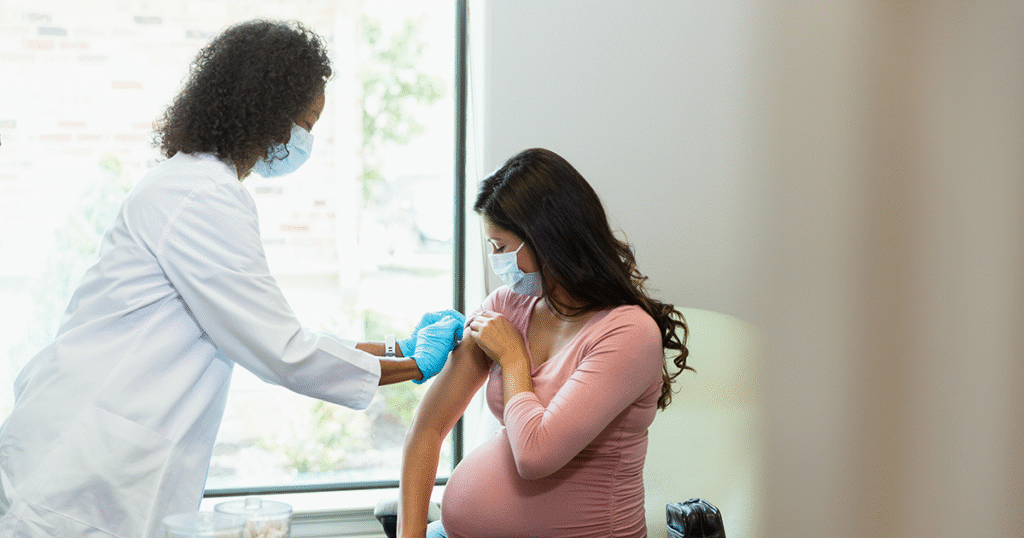
When Pregnant Women Should Visit the Doctor
Dr. Shelly Singh recommends immediate medical care if you experience:
- Fever greater than 102°F persisting for more than three days
- Shortness of breath or chest pain
- Increased drowsiness, dizziness, or confusion
- Worsening of symptoms
- Belong to the high-risk category
What to Do After Recovery
After the fever and active symptoms settle, it’s advisable to visit your obstetrician. Dr. Shelly Singh would usually conduct a proper examination and suggest:
- An ultrasound to check the well-being of the fetus
- A check on the amniotic fluid levels
- Doppler studies to check blood flow to the baby
These tests confirm that everything is normal in the pregnancy after the infection.
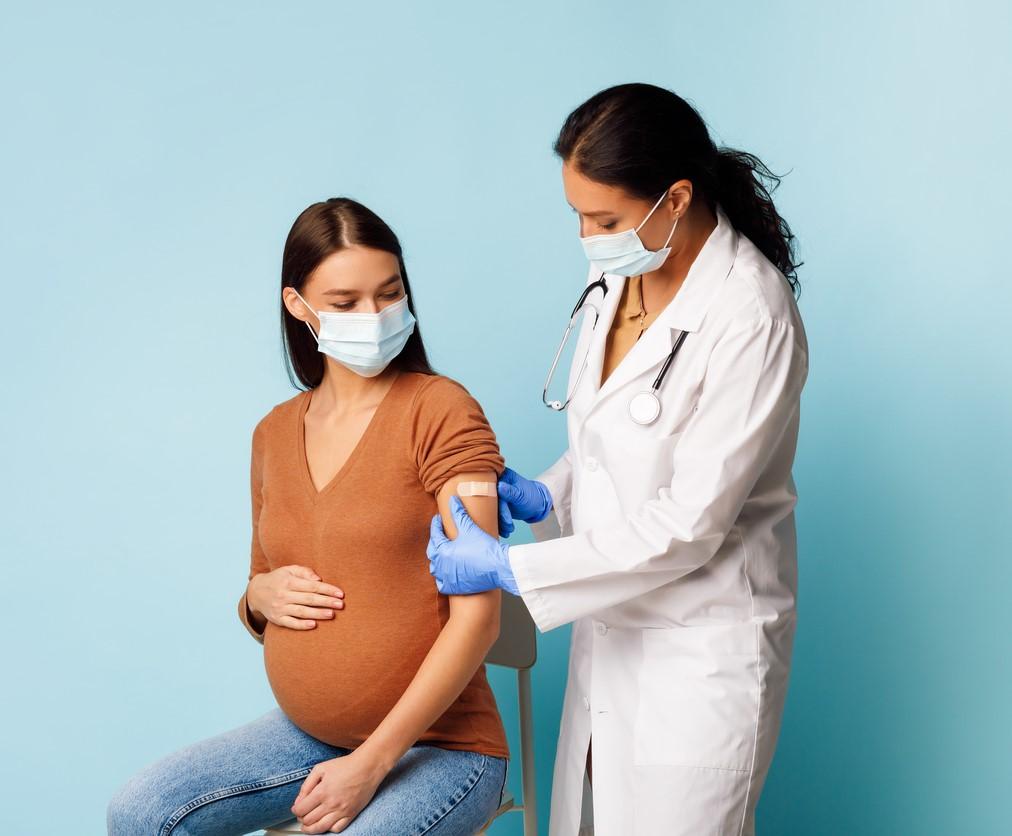
Preventive Measures to Stay Safe
To prevent COVID in pregnancy, Dr. Shelly Singh strongly recommends:
- Avoiding crowded or poorly ventilated places
- Wearing a good-quality mask
- Practicing regular hand sanitisation
- Avoiding contact with individuals showing signs of fever or respiratory illness
- Eating healthy and focusing on immunity-boosting foods
Conclusion
The new COVID variant 2025 comes with heightened transmissibility but not always more risk — particularly when managed by experts such as Dr. Shelly Singh.
In most pregnant women with minor symptoms, recovery is good. However, it’s important to recognize warning signs early, especially in cases of high-risk pregnancy and COVID.
With correct diagnosis, proper treatment, and effective prevention, COVID in pregnancy can be well-managed. Be careful, stay healthy — and always seek your gynecologist for individualized medical recommendations.