
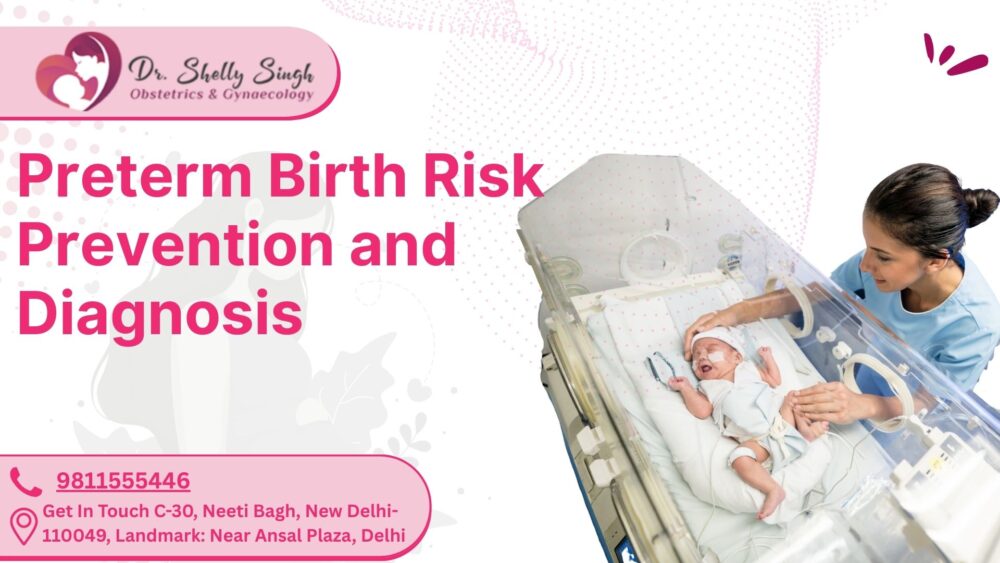
Premature birth (before 37 weeks) is the leading cause of death in children under five
globally. While not all cases are preventable, adopting key health and lifestyle strategies,
emphasized by specialists like Dr. Shelly Singh, can significantly lower the risk.
- Pre-Conception Health is Key
- Manage Chronic Issues: Ensure
conditions like diabetes, high blood
pressure, and thyroid disorders are
controlled before getting pregnant.
Unmanaged conditions are a significant
risk factor. Healthy Weight & Timing: Achieve a healthy BMI and waitat least 18 months between pregnancies to allow your body to recover and replenish
nutrient stores fully. - Folic Acid: Start taking folic acid (400
mcg) and a prenatal vitamin at least one
month before conception.
- Prioritize Prenatal Care—Preterm Birth Care
- Early & Regular Visits: Begin prenatal care as soon as possible. Early detection
allows specialists to identify risk factors like a short cervix or infection. - Progesterone Therapy: If you have a high risk or a history of preterm birth, your
doctor may prescribe progesterone (injections or suppositories), which has been
shown to reduce the risk of recurrence. - Infection Screening: Regularly screen and treat infections (like UTIs or bacterial
vaginosis), as they can often trigger preterm labor.
3. Essential Lifestyle Modifications
- No Smoking or Alcohol: Quit all smoking (including vaping) and avoid alcohol
entirely. Smoking significantly elevates the risk. - Stay Hydrated: Drink plenty of water, as dehydration can sometimes stimulate
uterine contractions. - Manage Stress: Use techniques like yoga or meditation to manage chronic, severe
stress. - Modify Activity: Avoid jobs that require prolonged standing or excessive physical
strain, or discuss modifications with your doctor.
Conclusion: Key Tests and Diagnostics
While lifestyle changes are crucial, specialized testing is the most effective way for doctors to
diagnose and manage a mother’s individual risk of preterm birth. Specialists like Dr. Shelly
Singh sometimes uses a combination of these clinical tools to guide treatment:
1. Cervical Length Monitoring
- Test: Transvaginal Ultrasound (TVU).
- Purpose: Measures the length of the cervix between 16 and 24 weeks. A measurement less than 25 mm is a significant predictor of spontaneous preterm birth.
- Action: If a short cervix is detected, treatments like progesterone therapy or a cervical cerclage (a stitch placed to keep the cervix closed) may be initiated immediately.
2. Fetal Fibronectin (fFN) Test
- Test: Fetal Fibronectin Test.
- Purpose: Detects the presence of fFN protein between 22 and 34 weeks if preterm
Labor symptoms are present. - Interpretation: A negative result strongly indicates that the mother is unlikely to
deliver within the next one to two weeks, which can safely prevent unnecessary
hospitalization. A positive result prompts closer monitoring.
3. Infection Screening & Treatment
- Tests: Urine culture and screening for Bacterial Vaginosis (BV) or other
vaginal/cervical infections. - Purpose: Infections, even asymptomatic ones, can trigger the inflammatory cascade
that leads to premature rupture of membranes and preterm labor. - Action: Aggressive and immediate antibiotic treatment is crucial once an infection is
diagnosed, as clearing the infection can stop the progression to preterm delivery.
Final Word
By combining proactive health management with timely diagnostic testing, such as those
recommended by experts like Dr. Shelly Singh, new mothers and their doctors can effectively
identify risks early, implement targeted interventions, and significantly improve the odds of
carrying their baby to full term. Don’t wait—early testing is the best defense against
prematurity.
Looking for the Best Gynecologist in Delhi NCR? Contact Dr. Shelly Singh today!!!
(Visited 41 times, 1 visits today)