
Many women experience period pain as a normal part of their monthly cycle, but when the pain becomes unusually intense or begins to interfere with daily life, it may be more than just routine menstrual discomfort. One of the conditions that often goes undiagnosed for years is endometriosis. Because its symptoms can resemble typical period pain. Many women are unsure when to seek medical help.
Understanding the difference between normal period cramps and endometriosis is essential for early diagnosis and timely treatment. Dr. Shelly Singh, a gynecologist with extensive experience in women’s health, often explains that listening to your body and recognizing unusual symptoms is the first step toward effective care.
Understanding Normal Period Pain
Period pain, also known as menstrual cramping, occurs when the uterus contracts to shed its lining. These contractions may cause discomfort, pressure, or mild to moderate pain in the lower abdomen, back, or thighs. For most women, the pain is manageable and lasts one to three days.

Characteristics of normal period pain:
- Begins just before or at the start of the menstrual period
- Usually improves with rest, heat, and mild pain relievers
- Does not interrupt daily activities or work
- Pain remains consistent from cycle to cycle
- No additional symptoms such as severe nausea or heavy bleeding
Normal period pain is unpleasant but predictable and manageable.
What Is Endometriosis?
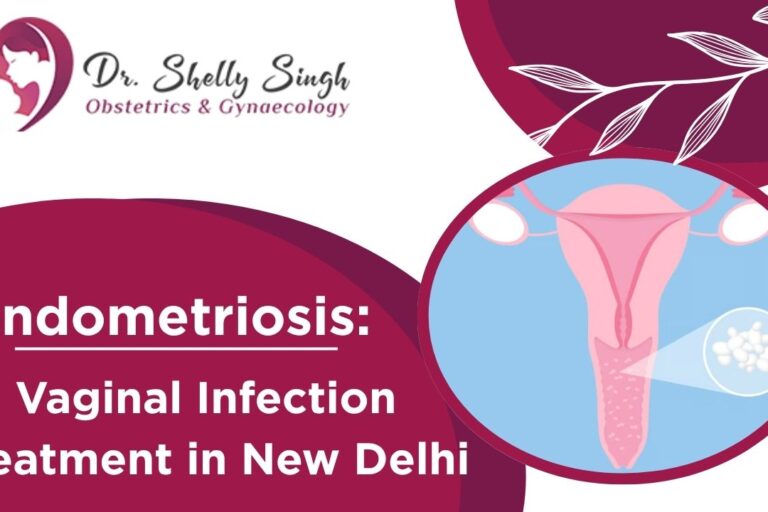
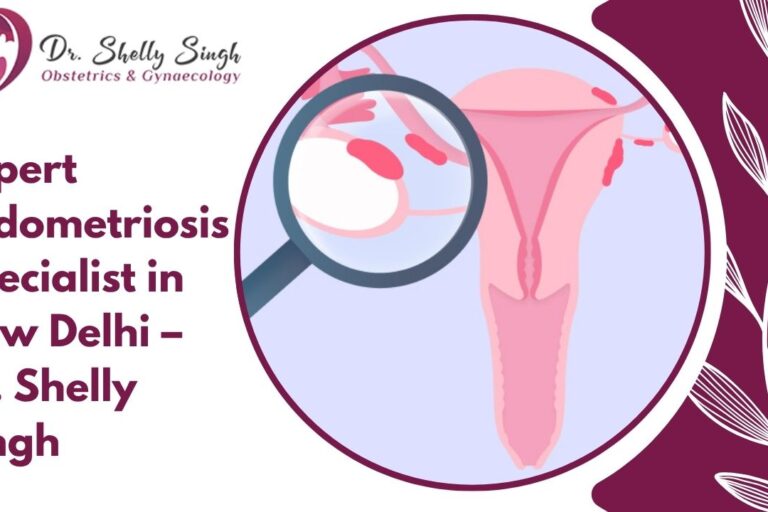
Endometriosis is a condition in which tissue similar to the lining of the uterus begins to grow
outside the uterus. These growths may form on the ovaries, fallopian tubes, bladder, bowel, or
pelvic lining. Because this tissue behaves like uterine lining, it can thicken and break down each
month, but it has no way to exit the body. This leads to inflammation, pain, and scar tissue formation.
Dr. Shelly Singh often highlights that endometriosis is common but frequently misunderstood or diagnosed late. Many women assume their pain is normal, even when it is not.
Signs Your Pain May Be Endometriosis
Endometriosis pain is usually more intense and persistent than typical menstrual cramps. It may start earlier, last longer, and involve symptoms that affect more than just the pelvic area.
Key symptoms of endometriosis include:
- Severe pelvic pain that worsens over time
- Pain that begins several days before the period starts
- Pain during or after sexual intercourse
- Painful bowel movements or urination, especially during periods
- Heavy menstrual bleeding or bleeding between cycles
- Persistent fatigue
- Nausea or gastrointestinal discomfort
- Difficulty getting pregnant
While some women may experience mild symptoms, others may struggle with intense pain that affects their ability to work, study, or perform routine activities.
How Period Pain and Endometriosis Pain Differ
Understanding the difference between the two is essential:
Period Pain
- Lasts one to three days
- Responds well to heat or mild pain relievers
- Does not worsen significantly over time
- Does not cause severe bowel or bladder symptoms
Endometriosis
- Can last throughout the month, not only during periods
- Does not improve much with standard pain medication
- Often worsens year after year
- May affect sexual intercourse, urination, or bowel movements
- Can lead to fertility challenges
If the pain is progressively increasing or affecting daily life, it may signal endometriosis rather than normal menstrual discomfort.
Causes and Risk Factors for Endometriosis
Although the exact cause is still being studied, several factors may contribute to endometriosis:
- Family history of endometriosis
- Starting menstruation at an early age
- Short menstrual cycles
- Heavy or long menstrual periods
- Conditions affecting menstrual flow
- Immune system concerns
Dr. Shelly Singh explains that having one or more of these risk factors does not guarantee
endometriosis, but awareness can support early evaluation.
How Endometriosis Is Diagnosed
Diagnosis can sometimes be challenging because symptoms overlap with other conditions. A
Gynecologists like Dr. Shelly Singh may use a combination of the following approaches:
- Detailed Medical History
Understanding the pattern, intensity, and duration of symptoms. - Physical Examination
Checking for tenderness or abnormalities in the pelvic area. - Imaging Tests
Ultrasound or magnetic resonance imaging can help detect cysts, endometriotic growths, or scars.
tissue. - Laparoscopy
A minimally invasive procedure that allows direct viewing of endometrial tissue outside the uterus. This is considered the most accurate method for diagnosis. Early diagnosis offers better treatment outcomes and improves quality of life.
Treatment Options for Endometriosis
Treatment depends on the severity of the condition, the location of the tissue growth, and whether the patient wishes to become pregnant. Common treatment approaches include:

- Pain Management
Prescribed pain relievers or hormones
Therapy may help reduce discomfort. - Hormonal Treatment
These methods help reduce or stop
menstrual cycles, which may slow the
growth of endometriosis tissue. - Surgical Treatment
Laparoscopic surgery may be
recommended to remove endometrial
tissue, scar tissue, or cysts. This is often
helpful for women dealing with severe pain or fertility challenges.
Lifestyle and Supportive Care
1) Heat therapy
2) Light exercise
3) A balanced diet
4) Adequate sleep
Dr. Shelly Singh believes that personalized care plans often offer the best results, combining medical treatment with lifestyle adjustments.
When to Seek Medical Help
You should consult a gynecologist if you experience:
- Pain that stops you from working or performing normal tasks
- Pain that does not improve with common pain relievers
- Pain that worsens each month
- Pain during sexual intercourse
- Difficulty becoming pregnant
- Heavy bleeding or irregular cycles
These symptoms should not be ignored, as timely care can prevent complications and improve long-term health.
Final Thoughts
While period pain is common, it should not be disabling. If your pain feels different, more intense, or persistent, it may be a sign of endometriosis. Listening to your body and seeking guidance early can make a significant difference. Dr. Shelly Singh emphasizes that no woman should feel forced to live with severe menstrual pain. Understanding your symptoms and choosing the right treatment plan can help restore comfort, improve fertility outcomes, and enhance overall well-being.