
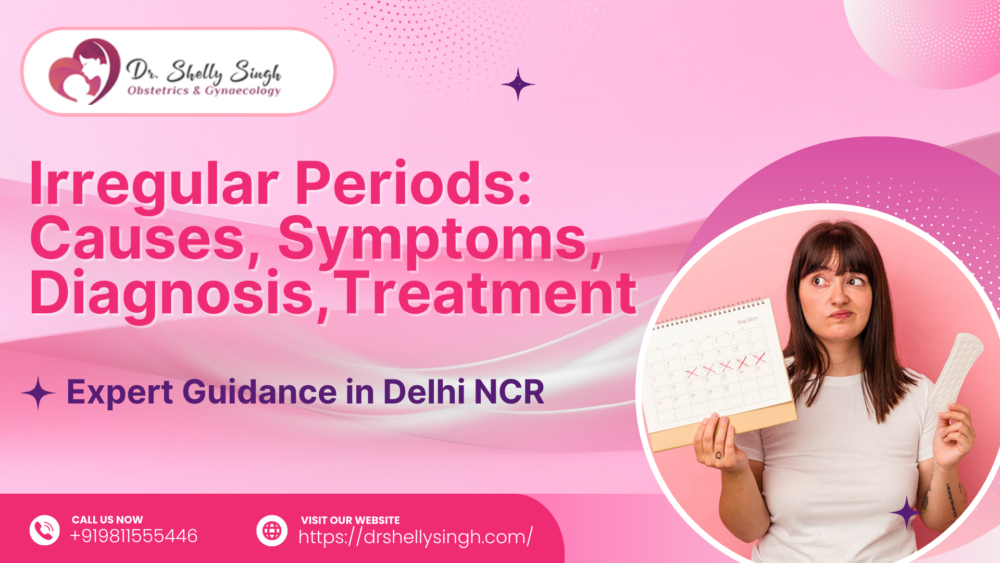
Irregular Periods

Menstrual cycles play a vital role in women’s lives; they can also be a source of confusion and concern—especially when periods don’t arrive on time or follow an unpredictable pattern. While occasional changes are common, irregular periods may sometimes signal an underlying health issue that needs attention.
According to Dr. Shelly Singh, a trusted gynecologist known for her patient-focused approach, understanding what’s normal and what’s not is the first step toward better menstrual health.
What Are Irregular Periods?
A typical menstrual cycle lasts between 21 and 28 days. Periods are considered irregular when:
- The cycle length changes frequently
- Periods are missed for months
- Bleeding is unusually heavy or very light
- Periods come too often or too far apart
Irregular periods can affect women at different life stages—from teenage years to perimenopause—and the causes can vary widely.
Common Causes of Irregular Periods
1. Hormonal Imbalance
Hormones like estrogen and progesterone regulate the menstrual cycle. Even minor imbalances can delay or skip periods. Conditions such as PCOS (Polycystic Ovary Syndrome) are a common cause.
2. Stress & Lifestyle Factors
Physical or emotional stress, sudden weight change, excessive exercise, poor sleep, or irregular eating habits can interfere with ovulation and affect cycle regularity.
3. Thyroid Disorders
Both hypothyroidism and hyperthyroidism can disrupt the menstrual cycle, leading to missed or irregular periods.
4. PCOS (Polycystic Ovary Syndrome)
One of the most common reasons for irregular periods, PCOS may also cause acne, weight gain, excessive hair growth, and fertility issues.
5. Medications & Contraceptives
Certain birth control pills, emergency contraceptives, antidepressants, and hormonal treatments may temporarily affect cycle timing.
6. Pregnancy or Breastfeeding
Missed periods can be an early sign of pregnancy. Breastfeeding mothers may also experience delayed or irregular cycles.
7. Perimenopause
Women in their late 30s or 40s may notice cycle changes as the body transitions toward menopause.
Symptoms That Often Accompany Irregular Periods
- Missed periods for 2–3 months or more
- Very heavy bleeding or spotting between periods
- Severe cramps or pelvic pain
- Fatigue or mood changes
- Acne or sudden weight changes
While some symptoms are mild, others may affect daily life and should not be ignored.
When Should You Worry?
Dr. Shelly Singh advises seeking medical guidance if you experience:
- Periods stopping for more than three months (without pregnancy)
- Heavy bleeding lasting more than 7 days
- Severe pain that interferes with routine activities
- Sudden changes in the cycle pattern after years of regular periods
- Irregular periods along with infertility concerns
Early evaluation helps identify the cause and prevents future complications.
How Are Irregular Periods Diagnosed?
A gynecological evaluation may include:
- Detailed menstrual and medical history
- Physical and pelvic examination
- Blood tests to check hormone levels
- Ultrasound to assess the ovaries and uterus
The goal is always to treat the root cause, not just the symptoms.
Treatment Options for Irregular Periods
Treatment depends on the underlying cause and may include:
- Lifestyle modifications (diet, stress management, exercise)
- Hormonal regulation through medication
- PCOS-specific management plans
- Thyroid treatment, if required
As Dr. Shelly Singh emphasizes, a personalized approach is essential—what works for one woman may not be right for another.
Final Thoughts
Irregular periods are common, but they should never be dismissed as “normal” without proper evaluation. Your menstrual cycle is an important indicator of overall health. If you’ve noticed ongoing changes or symptoms that concern you, consulting an experienced gynecologist can provide clarity, reassurance, and the right course of action.
Looking for the Best Gynecologist in South Delhi? Contact Dr. Shelly Singh today for expert guidance on irregular periods and comprehensive women’s healthcare!