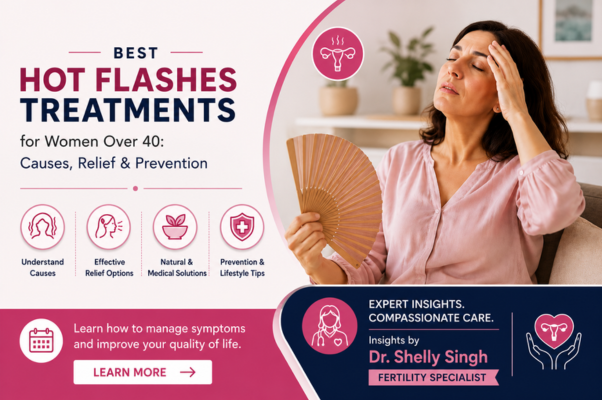

Best Hot Flashes Treatments for Women Over 40: Causes, Relief & Prevention

For many women, turning 40 brings noticeable changes in the body. One of the most common symptoms is hot flashes, sudden feelings of warmth that can cause sweating, flushing, and discomfort. These episodes often occur during perimenopause and menopause, when hormone levels begin to fluctuate.

Understanding hot flashes—why they happen, treatment, and prevention—is essential for managing symptoms effectively and maintaining overall well-being. Many healthcare professionals, including Dr. Shelly Singh, often emphasize that hot flashes are manageable with the right combination of lifestyle changes, medical guidance, and awareness.

This guide explores the best hot flash treatments for women over 40, including natural remedies, medical options, and preventive strategies.

What Are Hot Flashes?

Hot flashes are sudden sensations of intense heat that typically affect the face, neck, and chest. They may last anywhere from a few seconds to several minutes and are often accompanied by sweating, rapid heartbeat, or redness of the skin.

Women over 40 commonly experience these symptoms as the body transitions toward menopause. During this phase, fluctuating estrogen levels affect the brain’s temperature regulation system.

Health experts such as Dr. Shelly Singh often explain to patients that hot flashes are a natural response to hormonal changes rather than a medical emergency.

Why Do Hot Flashes Happen After 40?

To understand hot flashes—why they happen, treatment, and prevention—it is important to look at the hormonal changes happening in the body.

1.  Hormonal Fluctuations

Estrogen levels start declining during perimenopause. This hormonal shift affects the hypothalamus, the part of the brain responsible for regulating body temperature.

2.  Stress and Lifestyle Factors

Stress, caffeine, spicy foods, and alcohol can trigger hot flashes in many women.

3.  Medical Conditions or Medications

Certain medications and thyroid disorders may worsen symptoms.

Doctors like Dr. Shelly Singh often recommend identifying personal triggers as a first step toward managing symptoms effectively.

Best Hot Flushes Treatments for Women Over 40

There are several effective approaches to managing hot flashes, ranging from natural remedies to medical treatments.

1.  Lifestyle Modifications

Small lifestyle adjustments can significantly reduce the frequency and intensity of hot flashes.

Helpful changes include:

  • Wearing lightweight and breathable clothing
  • Keeping your bedroom cool at night
  • Practicing stress-management techniques such as yoga or meditation
  • Avoiding common triggers like spicy food and caffeine

Many healthcare professionals, including Dr. Shelly Singh, highlight lifestyle management as the foundation of hot flash treatment.

2. Natural Remedies

Natural solutions can help support hormonal balance and improve overall comfort. 

Some commonly recommended options include:

  • Soy products containing phytoestrogens
  • Flaxseed, which may support hormonal health
  • Herbal teas like sage or chamomile
  • Regular exercise

These remedies can be helpful for women who prefer non-medical solutions when learning about hot

flashes: why they happen, treatment, and prevention

glasswater

3. Hormone Replacement Therapy (HRT)

For women experiencing severe symptoms, doctors may recommend hormone therapy. This treatment helps restore declining estrogen levels and can significantly reduce hot flushes.

However, hormone therapy should only be considered after consulting a qualified medical professional. Experts like Dr. Shelly Singh usually evaluate a patient’s medical history before recommending this option.

4. Non-Hormonal Medications

Certain prescription medications can help reduce hot Flashes, including:

  • Selective serotonin reuptake inhibitors (SSRIs)
  • Gabapentin
  • Blood pressure medications like clonidine

These treatments may be suitable for women who cannot take hormone therapy.

How to Prevent Hot Flashes ?

While it may not always be possible to completely avoid hot flashes, preventive measures can make a noticeable difference.

Maintain a Healthy Weight

Excess body weight may increase the frequency of hot flashes.

Manage Stress

Relaxation techniques like meditation, breathing exercises, and yoga help regulate body temperature.

Improve Sleep Habits

Night sweats often disrupt sleep. Maintaining a cool sleeping environment can help.

Medical professionals such as Dr. Shelly Singh often remind patients that prevention plays an important role when addressing hot flashes: why they happen, treatment, and prevention.

When Should You See a Doctor?

If hot flashes become severe or begin interfering with daily life, it is important to seek medical advice. Persistent symptoms may indicate hormonal imbalances or other underlying conditions.

Consulting an experienced healthcare provider can help identify the best treatment plan tailored to your health needs.

Final Thoughts

Hot flashes are a common experience for many women over 40, but they do not have to control your life. With the right knowledge, lifestyle changes, and medical guidance, symptoms can be managed effectively.

Understanding Hot Flashes: Why They Happen, Treatment, and Prevention empowers women to take control of their health and make informed decisions. Healthcare experts like Dr. Shelly Singh often emphasize a balanced approach that combines lifestyle strategies with professional care when necessary.

If you are experiencing frequent hot flashes, speaking with a qualified doctor can help you find the most effective and comfortable solution.

(Visited 12 times, 12 visits today)

Leave A Comment

Your email address will not be published. Required fields are marked *