
Unable to Conceive? Not Getting Pregnant? Know the Causes of Infertility
Trying to get pregnant and seeing negative results month after month can be emotionally draining. Many women blame themselves or assume something is seriously wrong, even when they are doing everything “right.” The truth is that many factors influence fertility. And in most cases, infertility is both diagnosable and treatable.
Understanding the causes of infertility empowers women to make informed decisions about the right treatment, instead of feeling confused or helpless. Dr. Shelly Singh, a senior women’s health specialist with over 20+ years of clinical experience, explains the most common reasons behind infertility in women and when medical evaluation becomes important.
What Does Infertility Mean for Women?
Infertility in women is diagnosed when pregnancy does not occur after one year of regular, unprotected intercourse. For women above 35 years, evaluation is recommended after six months. Infertility does not always mean a permanent inability to conceive. In many cases, itsimply means the body needs medical support. Identifying the causes of infertility early allows timely intervention and improves the chances
of a healthy pregnancy
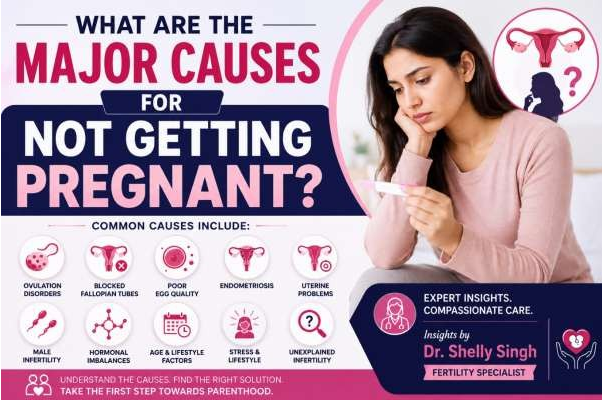
Common Causes of Infertility in Women
Ovulation-Related Problems
One of the most common causes of female infertility is irregular or absent ovulation.
Conditions such as PCOS, thyroid imbalance, or hormonal disturbances can prevent the ovary from releasing eggs regularly, reducing the chances of fertilization. Women with irregular menstrual cycles often fall into this category and should not ignore
these signs.
Blocked Fallopian Tubes
The fallopian tubes are essential for fertilization. Infections, pelvic inflammatory disease, previous abdominal surgeries, or genital tuberculosis can damage or block these tubes. When this happens, fertilization becomes difficult even if ovulation is normal. This is an important yet often missed contributor to the causes of infertility in Indian women
Uterine Conditions
Fibroids, polyps, or abnormalities in the shape of the uterus can interfere with embryo
implantation. Some women may not experience pain or heavy bleeding, which is why these issues often remain undiagnosed until fertility tests are done. Such structural problems are a frequent answer to the reason for not getting pregnant despite
regular cycles
Hormonal Imbalance
Hormones regulate ovulation, implantation, and pregnancy maintenance. Even mild hormonal changes can disrupt fertility. Common women’s infertility symptoms related to hormonal imbalance include acne, excessive hair growth, weight fluctuations, and irregular periods. Hormonal evaluation is essential when investigating the causes of infertility.
Age-Related Decline
Fertility naturally declines with age. After 35 years, both egg quality and quantity have
reduced. increasing the time required to conceive. Many women start asking why pregnancy is not happening when age becomes a hidden factor. Early consultation helps manage agerelated fertility challenges effectively.
Lifestyle and Emotional Factors
Stress, poor diet, lack of sleep, obesity, smoking, and alcohol consumption can negatively affect ovulation and hormone balance. Several reasons for not getting pregnant can be corrected through lifestyle modification combined with medical treatment.
Signs That May Indicate Infertility
Some women have no obvious symptoms, while others may notice warning signs. Common
women’s infertility symptoms include:
• Irregular or absent periods
• Very painful menstruation
• Excessive facial or body hair
• Sudden weight gain or loss
• Chronic pelvic discomfort
Ignoring these signs may delay the diagnosis of the causes of infertility
Why Early Diagnosis Is Important
Waiting too long can reduce treatment success. If you are wondering why pregnancy is not
happening, consulting a fertility expert early allows for accurate diagnosis and personalized
care.
Early diagnosis helps identify:
• Hidden female infertility causes
• Treatable hormonal or anatomical problems
• The most suitable treatment option for your body
How Dr. Shelly Singh Approaches Female Infertility
With over 20+ years of experience, Dr. Shelly Singh follows a compassionate, evidencebased approach. Every patient undergoes:
• Detailed medical and menstrual history evaluation
• Hormonal and blood investigations
• Pelvic ultrasound and imaging
• Lifestyle and nutritional assessment
This ensures that treatment targets the real causes of infertility, not just temporary symptoms.
Treatment Options for Female Infertility
Treatment depends on the underlying diagnosis and may include:
• Ovulation induction therapy
• Hormonal correction
• Treatment of uterine or tubal conditions
• Lifestyle and weight management guidance
• Advanced fertility treatments when required
Once the causes of infertility are addressed, many women conceive naturally or with minimal medical support.
Frequently Asked Questions
The most common causes of infertility include ovulation disorders, blocked tubes, uterine abnormalities, hormonal imbalance, and increasing age.
A woman should seek help after one year of trying, or after six months if she is over 35 or has known female infertility causes.
Yes. Most infertility cases are treatable once the exact causes of infertility are identified through proper evaluation
Yes. Chronic stress can disrupt hormonal balance and ovulation, contributing to infertility and other women’s infertility symptoms.
If you are struggling to conceive, expert guidance can make a meaningful difference. Dr.Shelly Singh provides personalized fertility care with a focus on accurate diagnosis and ethical treatment.
Consult Dr. Shelly Singh in South Delhi for a comprehensive fertility evaluation and care.Looking for the Best Gynecologist in South Delhi? Contact Dr. Shelly Singh today!!!