“Doctor, I feel completely fine. Do I really need a Pap smear?”
It is a question gynaecologists hear often.
A woman may have regular periods, no pelvic pain, no unusual discharge and no obvious health concerns. So, getting a test when nothing feels wrong can seem unnecessary.
But cervical health is one area where waiting for symptoms may not be the best approach.
As a gynaecologist, Dr. Shelly Singh often explains that preventive screening is not about finding something to worry about. It is about finding changes early, when they can be monitored or treated before they become more serious.
That is why understanding the importance of a Pap smear test in Delhi can be an important part of a woman’s long-term healthcare.
What Is a Pap Smear Test?
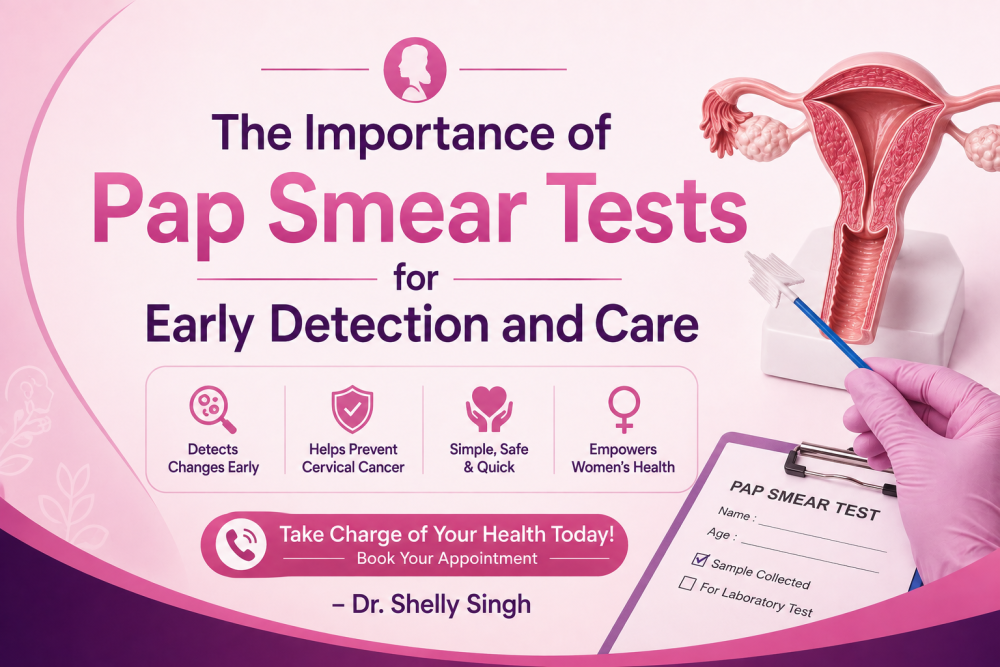
A Pap smear, also called a Pap test, is a screening test used to look for abnormal changes in the cells of the cervix.
The cervix is the lower part of the uterus that connects to the vagina. Certain persistent infections, particularly those associated with high-risk types of human papillomavirus (HPV), can cause cellular changes over time.
A Pap smear can help identify abnormal cervical cells before they develop into cervical cancer.
This is what makes cervical cancer screening so valuable—it focuses on prevention and early detection rather than waiting until a problem causes noticeable symptoms
Why Cervical Cancer Screening Matters
Think about screening like checking the brakes of your car before a long journey. You may not notice a problem while driving, but an inspection can identify an issue before it becomes dangerous.
Similarly, cervical cell changes may not cause symptoms in the early stages.
Regular screening can help:
- Identify abnormal cervical cells early
- Detect changes that may need monitoring or further evaluation
- Support timely medical treatment when required
- Reduce the risk of cervical cancer becoming advanced
- Give women greater awareness of their cervical health
This is why a Pap smear test for women is considered an important preventive healthcare measure when recommended based on age and individual risk factors.
When Should You Get a Pap Smear?
One of the most common questions women ask is, “How often should I get a Pap smear?”
There is no single schedule that is right for every woman. Screening recommendations can depend on age, previous test results, HPV status, medical history and other individual factors.
Some women may require routine screening at specific intervals, while others may need a different approach.
Dr. Shelly Singh recommends discussing your personal screening schedule with your gynaecologist rather than deciding based only on what a friend or family member follows.
Your healthcare needs are personal—and your screening plan should be too.
What Happens During a Pap Smear Test?
Many women delay a Pap test because they are nervous about what will happen.
The procedure is generally brief.
During the examination, a speculum is gently placed in the vagina so the cervix can be seen. A small medical brush or similar instrument is then used to collect cervical cells. The sample is sent to a laboratory for examination.
You may experience some pressure or mild discomfort, but the test is usually completed within a few minutes.
If you are anxious about the procedure, tell your gynaecologist beforehand. Knowing what to expect can make the experience much easier.
Does a Pap Smear Detect Cervical Cancer?
A Pap smear primarily looks for abnormal cervical cell changes rather than simply diagnosing cancer.
Depending on your age, risk profile and local screening recommendations, your doctor may also discuss HPV testing or combined screening.
An abnormal result does not automatically mean you have cancer.
It may indicate cellular changes that need monitoring, repeat testing or additional evaluation. Your gynaecologist will interpret the result in the context of your overall health and medical history.
Who May Need Cervical Cancer Screening in Delhi?
Women who are eligible for cervical screening may benefit from staying up to date with their recommended tests, even when they feel healthy.
You should particularly discuss screening with a gynaecologist if:
- You have never had cervical screening
- You are unsure when your last Pap test was
- You have previously had an abnormal cervical screening result
- You have a history of HPV infection
- You have concerns about cervical health
- You have been advised to undergo additional follow-up
A consultation can help determine what screening or follow-up is appropriate for you.
Pap Smear Test in Delhi: Don't Wait for Symptoms
One of the biggest misconceptions about preventive healthcare is that a test is only necessary when something feels wrong.
In reality, screening is designed for people who may feel perfectly healthy.
A Pap smear test in Delhi can be a simple but meaningful step toward protecting your cervical health. It is not about creating fear. It is about giving yourself the opportunity to identify changes early and act when appropriate.
Dr. Shelly Singh encourages women to treat cervical screening as part of routine healthcare rather than something to consider only after symptoms appear.
Frequently Asked Questions About Pap Smear Tests
1. Is a Pap smear painful?
Most women experience only mild pressure or brief discomfort during the test. If you feel anxious, discuss your concerns with your gynaecologist beforehand.
2. How long does a Pap smear take?
The actual sample collection usually takes only a few minutes as part of a gynaecological examination.
3. Can I have a Pap smear during my period?
Menstrual blood can sometimes affect the sample, so your doctor may recommend scheduling the test at another time.
4. Does an abnormal Pap smear mean cancer?
No. An abnormal result does not automatically mean cancer. It can indicate changes in cervical cells that may require monitoring or further evaluation.
5. How often should I have cervical cancer screening?
The recommended interval depends on factors such as your age, screening history, HPV status and individual risk. Your gynaecologist can advise you on an appropriate schedule.
6. Where can I get a Pap smear test in Delhi?
You can discuss cervical cancer screening with Dr. Shelly Singh, who can assess your individual needs and guide you regarding appropriate testing and follow-up.
Conclusion
A Pap smear may take only a few minutes, but its role in preventive women’s healthcare can be significant.
You do not need to wait for pain, unusual bleeding or other symptoms to start thinking about cervical health. Regular screening, appropriate follow-up and an open conversation with your gynaecologist can help you stay informed and proactive.
If you are due for screening or are unsure whether you need a Pap smear test in Delhi, consult Dr. Shelly Singh for personalised guidance.
Book an appointment with Dr. Shelly Singh today and take a proactive step towards better cervical health.