Pregnancy is often a time of excitement, hope, and planning for the future. However, for some couples, the journey becomes emotionally challenging when a pregnancy ends unexpectedly. Experiencing one miscarriage can be heartbreaking, but facing repeated miscarriage can leave women searching for answers and reassurance.
At Dr. Shelly Singh’s, many women come with concerns about recurrent pregnancy loss, wondering why it keeps happening and whether they can have a healthy pregnancy in the future. The good news is that identifying the underlying cause can often help improve the chances of a successful pregnancy.
Understanding Repeated Miscarriage
A repeated miscarriage, also known as recurrent miscarriage or recurrent pregnancy loss, refers to the loss of two or more consecutive pregnancies before 20 weeks of gestation. While miscarriages are relatively common, experiencing multiple losses may indicate an underlying medical condition that requires evaluation and treatment.
It is important to remember that recurrent pregnancy loss is not always caused by something a woman did or did not do. In many cases, medical factors play a significant role.
A Real-Life Situation Many Women Face
Imagine a woman who has been trying to conceive for years. After experiencing the joy of seeing a positive pregnancy test, she suffers a miscarriage. She gathers the strength to try again, only to face another loss. Naturally, questions arise:
- Why do miscarriages keep happening?
- Is there something wrong with my body?
- Can I have a healthy baby in the future?
These concerns are common among women experiencing repeated miscarriage, and seeking guidance from an experienced gynecologist and fertility specialist can make a significant difference.
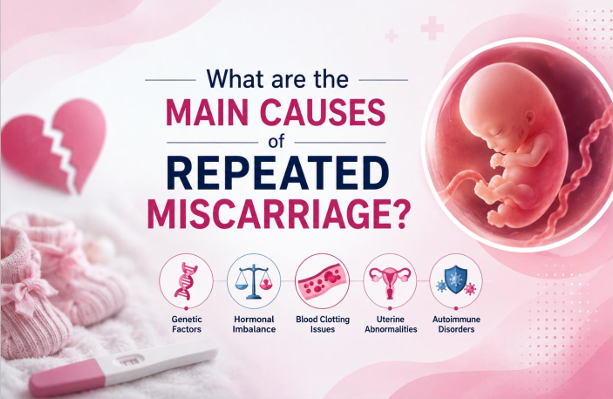
Main Causes of Repeated Miscarriage
1. Genetic or Chromosomal Abnormalities
One of the most common causes of recurrent miscarriage is chromosomal abnormalities in the embryo. These abnormalities can prevent the pregnancy from developing normally and may lead to an early miscarriage.
In some cases, one partner may carry a balanced chromosomal rearrangement that increases the risk of pregnancy loss.
2. Hormonal Imbalances
Hormonal disorders can interfere with the body’s ability to support a healthy pregnancy.
Common hormonal causes include:
- Thyroid disorders
- Polycystic Ovary Syndrome (PCOS)
- Uncontrolled diabetes
- Low progesterone levels
Proper diagnosis and treatment of hormonal issues can significantly improve pregnancy outcomes.
3. Uterine Abnormalities
Structural problems within the uterus can make it difficult for an embryo to implant and grow properly.
Examples include:
- Uterine septum
- Fibroids
- Uterine adhesions
- Congenital uterine abnormalities
Advanced diagnostic tests can help identify these conditions and determine the most suitable treatment.
4. Autoimmune Disorders
Certain autoimmune conditions may cause the body’s immune system to mistakenly attack healthy pregnancy tissue.
One common example is:
- Antiphospholipid Syndrome (APS)
Women with APS have a higher risk of blood clot formation, which can affect the placenta and contribute to recurrent pregnancy loss.
5. Blood Clotting Disorders
Inherited or acquired clotting disorders can reduce blood flow to the developing fetus.
These conditions may increase the risk of:
- Early miscarriage
- Placental complications
- Pregnancy loss during later stages
Timely diagnosis can help manage these risks effectively.
6. Age-Related Factors
As maternal age increases, the risk of chromosomal abnormalities also rises.
Women over the age of 35 may experience:
- Reduced egg quality
- Increased risk of miscarriage
- Greater chances of genetic abnormalities in embryos
Age does not mean pregnancy is impossible, but specialized care becomes increasingly important.
7. Lifestyle and Environmental Factors
Certain lifestyle habits can impact reproductive health and increase the risk of miscarriage.
Potential risk factors include:
- Smoking
- Excessive alcohol consumption
- Obesity
- Chronic stress
- Exposure to environmental toxins
Making healthier lifestyle choices can positively influence fertility and pregnancy outcomes.
When Should You See a Specialist?
Many women wait until they have experienced multiple losses before seeking medical advice. However, early evaluation can help identify problems sooner.
You should consult a specialist if you have:
- Two or more consecutive miscarriages
- Difficulty conceiving after miscarriage
- A history of fertility issues
- PCOS or thyroid disorders
- Previous pregnancy complications
Dr. Shelly Singh provides comprehensive assessment and individualized treatment plans for women dealing with repeated miscarriage and fertility concerns.
How Recurrent Miscarriage Is Diagnosed ?
To identify the cause of recurrent miscarriage, your doctor may recommend:
- Detailed medical history review
- Blood tests
- Hormonal evaluation
- Genetic testing
- Ultrasound examination
- Hysteroscopy or advanced imaging studies
The goal is to uncover any underlying issue and create a treatment strategy tailored to your specific needs.
Can Women with Repeated Miscarriage Have a Healthy Pregnancy?
Yes. Many women who experience repeated miscarriage go on to have successful pregnancies with proper diagnosis, treatment, and monitoring.
Treatment may include:
- Hormonal support
- Management of thyroid or diabetes conditions
- Blood-thinning medications when needed
- Surgical correction of uterine abnormalities
- Lifestyle modifications
- Personalized fertility care
With the right medical guidance, the chances of a healthy pregnancy can improve significantly.
Frequently Asked Questions
1. What is considered a repeated miscarriage?
Repeated miscarriage, also called recurrent miscarriage, refers to two or more consecutive pregnancy losses before 20 weeks of pregnancy.
2. Can PCOS cause recurrent miscarriage?
Yes. PCOS can contribute to hormonal imbalances that may increase the risk of miscarriage if left untreated.
3. Is age a major factor in repeated miscarriage?
Yes. Women above 35 years of age have a higher risk of miscarriage due to changes in egg quality and chromosomal abnormalities.
4. Can recurrent miscarriage be treated?
Treatment depends on the underlying cause. Hormonal therapy, lifestyle changes, surgery, or fertility treatments may help improve outcomes.
5. Should I see a doctor after two miscarriages?
Yes. Early evaluation after two pregnancy losses can help identify potential causes and improve future pregnancy success.
Conclusion
Experiencing a repeated miscarriage can be emotionally overwhelming, but it is important to know that answers and treatment options are available. Understanding the causes of recurrent miscarriage is the first step toward planning a healthier pregnancy in the future.
If you have experienced multiple pregnancy losses or are concerned about recurrent pregnancy loss, consult Dr. Shelly Singh for a thorough evaluation and personalized treatment plan. With expert care, advanced diagnostics, and compassionate support, you can take confident steps toward achieving a healthy and successful pregnancy.
Book your consultation today and get the guidance you need for your fertility and pregnancy journey.